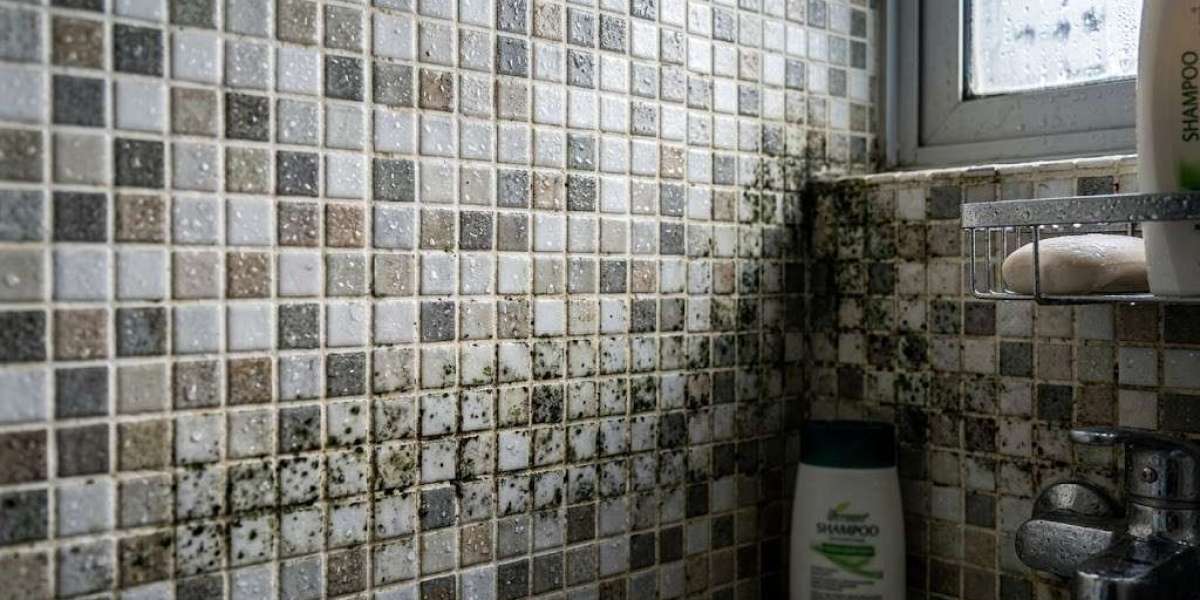

Singapore's climate presents a unique domestic challenge that residents know intimately. The humidity doesn't arrive and depart with seasons—it remains, a constant presence that influences everything from clothing choices to home maintenance strategies. In the bathroom, where daily activities generate additional moisture, this environmental reality demands thoughtful material selection and management protocols.
Among the design options available to homeowners, mosaic tiles have gained substantial popularity for their ability to transform ordinary spaces into visually striking environments. Their small format creates opportunities for intricate patterns and textural depth that larger tiles cannot achieve. Yet this design advantage carries an important caveat: mosaic tiles introduce maintenance considerations that differ significantly from other flooring and wall options.
The key to successful implementation lies in understanding these differences and preparing accordingly. Rather than approaching mosaic tiles with the same maintenance expectations developed in drier climates, Singapore homeowners benefit from strategies specifically designed for high-humidity environments.
Where Moisture Problems Actually Start
A common misconception directs attention toward tile surfaces when problems arise. In reality, quality porcelain and glass mosaic tiles present formidable barriers to moisture—their non-porous structures prevent water penetration entirely. The actual vulnerability exists in the material that binds these tiles together.
Grout, formulated from cement, contains countless microscopic pores that behave like absorbent channels. When water contacts grout, it doesn't simply sit on the surface; it draws inward, saturating the material from within. This characteristic makes grout the critical weakness in any tiled installation.
The challenge intensifies with mosaic tiles specifically because of their format. A wall covered in large tiles might expose several meters of grout lines to potential moisture contact. The same wall finished with mosaic tiles could present twenty, thirty, or more meters of grout—all of it absorbent, all of it vulnerable. In Singapore's climate, where humidity levels rarely drop sufficiently to permit natural drying, this expanded network of porous material creates ideal conditions for mold establishment.
Making Informed Material Choices
The marketplace offers mosaic tiles across a spectrum of moisture resistance, and understanding these differences enables better decision-making.
Glass mosaic tiles represent the gold standard for wet environments. Their manufacturing process creates a material that is completely impervious to water penetration. No matter how long moisture remains on the surface, it cannot breach the tile structure. This doesn't eliminate the need for grout maintenance, but it does remove the tile itself as a potential problem source.
Natural stone mosaic tiles—including marble, travertine, and similar materials—occupy the opposite end of the spectrum. These materials are inherently porous, formed through geological processes that leave internal channels and voids. They require sealing immediately after installation and regular resealing throughout their lifetime. Without this ongoing maintenance, the stone itself becomes a host for mold growth that penetrates beneath the surface.
Ceramic mosaic tiles offer a middle path. They're denser than natural stone and more affordable than glass, though water absorption rates vary considerably between products. When evaluating ceramic options, look for specifications indicating water absorption below 0.5%. These products will shed moisture effectively rather than retaining it against the surface.
The Grout Decision That Matters Most
Observation of renovation projects reveals a consistent pattern: homeowners invest enormous energy in selecting the perfect tile, then give minimal thought to what holds it in place. This imbalance proves particularly problematic in Singapore's climate.
Epoxy grout offers the single most significant upgrade available for mosaic tiles in tropical environments. Unlike traditional cement grout, which remains porous even when fully cured, epoxy grout dries to a consistency similar to plastic. Moisture cannot penetrate this material, and mold spores that land on it find no purchase—they cannot establish colonies or spread. The higher upfront cost and more demanding installation are quickly offset by years of reduced maintenance.
For bathrooms with existing cement grout, sealing becomes essential protection. Penetrating sealers work by soaking into the grout's pores and hardening, effectively blocking the channels that would otherwise absorb moisture. However, this protection degrades over time. In Singapore's aggressive humidity, annual resealing should be considered the minimum acceptable frequency. Test your sealer's continued effectiveness by dripping water onto grout lines—beading indicates protection remains intact, while darkening signals immediate resealing need.
Engineering Proper Ventilation
Even the most perfectly specified mosaic tiles will eventually develop problems without adequate ventilation. This represents a non-negotiable reality of tropical bathroom maintenance.
Singapore's older HDB flats often present the greatest ventilation challenges, with bathrooms that lack windows and depend entirely on mechanical systems. The exhaust fan becomes critically important, yet most residents use it incorrectly. The typical pattern—fan on during showering, fan off when leaving—actually terminates protection at the moment it's most needed. Steam continues rising from wet surfaces for approximately twenty minutes after showering ends. Only by running the fan for this extended period can you ensure moisture evacuates before condensing on walls.
Where windows exist, even partial opening creates cross-ventilation that dramatically accelerates drying. For residents of newer condominiums with fully enclosed bathrooms, verifying actual fan performance becomes important. Many fans suffer from dust clogging or improper installation that moves air around the room rather than exchanging it with outside air. Genuine air exchange, not mere circulation, is the essential requirement.
Daily Habits That Prevent Problems
Technology provides important tools, but consistent daily habits often matter more. The squeegee exemplifies this principle—a simple, inexpensive tool that, used regularly, outperforms many chemical products.
Position a squeegee within easy reach of your shower. After each use, spend thirty seconds drawing it down the walls. This removes standing water that would otherwise provide the moisture mold requires for growth. What begins as a deliberate action quickly becomes automatic, and this small time investment prevents hours of scrubbing later.
Extend this thinking to bathroom accessories. Shower curtains that bunch against walls trap moisture in their folds, creating pockets that never fully dry. Wash them regularly and spread them open to dry between uses. Bath mats present similar challenges—their rubber backing prevents evaporation from the underside when left flat on the floor. Hanging them to dry after each use prevents water accumulation that can spread to wall tiles.
Cleaning Strategies That Preserve
When mold appears despite preventive efforts, the cleaning approach determines whether you solve the problem or create new ones.
Chlorine bleach offers immediate visual satisfaction—mold disappears before your eyes. But this short-term gain masks long-term damage. Bleach chemically attacks cement grout, gradually breaking down its binding properties. With repeated use, grout becomes brittle, cracks, and falls away. This creates the scenario every homeowner fears: water flowing behind mosaic tiles, damaging wall structures and fostering hidden mold colonies that surface cleaning cannot reach.
For routine maintenance, oxygen-based bleaches or diluted vinegar provide effective cleaning without collateral damage. When stronger action is needed against stubborn mold, dedicated mold removers work well if followed by thorough rinsing. Never mix different cleaning products, as dangerous chemical reactions can produce toxic gases.
Cleaning tools matter as much as cleaning products. Soft cloths clean tile surfaces but miss the grout lines where mold actually lives. A stiff-bristled brush, worked into the joints, agitates the grout and dislodges embedded spores. This mechanical action is essential for effective mold removal.
The Importance of Showroom Visits
Online shopping convenience tempts many to select mosaic tiles from digital images alone. This approach risks disappointment that proves expensive to correct.
Lighting fundamentally alters appearance. Grout that appears bright white under showroom spotlights may read as gray under your bathroom's LED fixtures. Textures that seem subtle in photographs may prove aggressively uneven in reality, trapping soap scum and requiring constant attention. Physical examination prevents these perceptual mismatches.
This is why visiting a ceramic tile shop is essential. There, you can handle sample sheets and understand their construction. Paper-backed mosaic tiles present notorious installation difficulties—the paper bonds tightly and must be soaked and scraped away. Mesh-mounted alternatives allow installers to achieve better grout coverage, ensuring complete protection of every joint.
At the ceramic tile shop, engage staff with specific technical questions. What grout type do they recommend for this particular tile? Does this natural stone require pre-sealing? Which of their mosaic tiles have demonstrated best performance in Singapore's wet-room conditions? The quality of answers reveals whether you're receiving expert guidance or mere sales patter. Don't invest in materials that must survive decades of tropical humidity without confidence in the expertise behind your selections.
Long-Term Maintenance Planning
Even optimal installations require ongoing attention. Schedule quarterly inspections of bathroom corners, where airflow naturally stalls and moisture accumulates. Examine the caulking where shower trays meet walls—grout should never be used in these change-of-plane corners because building movement will crack rigid materials. Silicone caulk flexes with this movement, maintaining its seal.
When caulk darkens with mold, recognize that surface cleaning cannot restore it. The contamination has penetrated the silicone structure, and bleaching merely masks the problem temporarily. The only effective response is complete removal and replacement. This maintenance, performed promptly, prevents water infiltration that damages underlying structures.
Final Integration
Mosaic tiles remain excellent choices for Singapore bathrooms, offering aesthetic rewards that justify their additional maintenance requirements. Success depends on respecting three fundamental principles: selecting materials that deny moisture entry, ensuring ventilation that genuinely moves humid air out, and establishing daily habits that remove water before mold can utilize it.
These commitments exceed what large-format tiles demand, but they transform potential maintenance burdens into manageable routines. Approach your mosaic tiles with the informed care they deserve, and your bathroom will maintain its beauty throughout Singapore's most challenging humidity.









