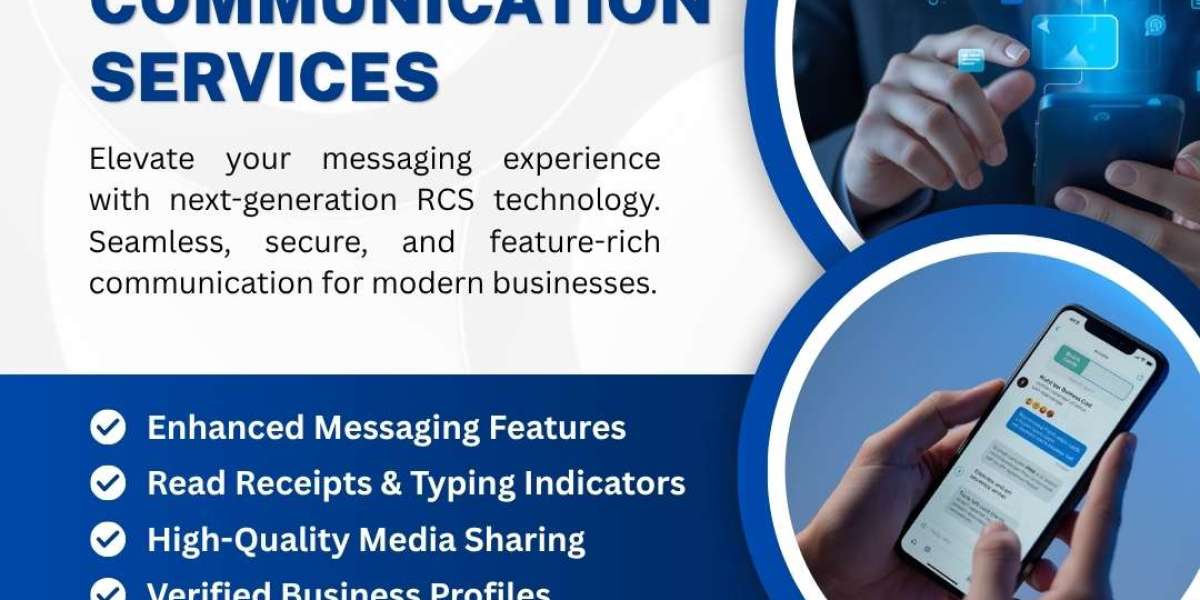

As customers demand richer, faster, and more interactive communication, RCS Business Messaging (RBM) is emerging as a powerful upgrade to traditional texting. Built on Rich Communication Services standards defined by the GSMA and widely enabled through Google Messages, RBM allows brands to deliver app-like experiences directly inside the user’s default messaging app—no downloads required.
RCS Business Messaging blends the reach of SMS with the interactivity of modern chat apps, helping businesses create engaging, two-way customer journeys using rich media, branding, and smart actions.
What is RCS Business Messaging?
RCS Business Messaging is the enterprise application of RCS that lets verified brands send rich, interactive messages to customers. Instead of plain text, businesses can share images, videos, carousels, suggested replies, and call-to-action buttons within a single message thread.
Customers can browse products, confirm bookings, track orders, or contact support—all without leaving their messaging inbox.
Core Capabilities of RBM
Verified Sender and Branding
RBM displays the brand’s name, logo, and verification badge, building instant trust and reducing spam risks.Rich Media and Carousel Cards
Showcase multiple products, offers, or information panels in swipeable cards.Suggested Replies and Action Buttons
Enable one-tap responses like “Track Order,” “Call Support,” or “Buy Now.”Read Receipts and Typing Indicators
Businesses gain visibility into message engagement and user activity.Two-Way Conversations
Customers can ask questions and receive automated or live responses in real time.Seamless Fallback to SMS
If RCS is unavailable on a device or network, messages fall back to SMS for continuity.
How RBM Enhances Customer Experience
RBM turns passive notifications into interactive experiences. For example, a delivery update can include:
Product image
Live tracking button
Support shortcut
Feedback option
This reduces friction and lets users complete tasks instantly, improving satisfaction and response rates.
Practical Use Cases
E-commerce and Retail
Personalized promotions, abandoned cart reminders, order tracking, and product catalogs.Banking and Financial Services
Fraud alerts with quick action buttons, balance updates, and secure notifications.Travel and Hospitality
Booking confirmations, boarding passes, itinerary cards, and map directions.Healthcare
Appointment confirmations with reschedule options and clinic locations.Telecom and Utilities
Bill reminders, plan upgrades, outage alerts, and service requests.
Business Benefits of RBM
Higher Engagement Than SMS
Visual content and interactivity capture attention and drive action.Stronger Brand Trust
Verified profiles reduce phishing concerns and improve credibility.Improved Conversion Rates
Customers can act immediately from the message, shortening the journey.Actionable Analytics
Read receipts and interaction data help optimize campaigns.Reduced Support Costs
Automation and quick replies handle common queries efficiently.
Conclusion
RCS Business Messaging represents the next generation of customer communication. By combining the universality of SMS with the richness of modern messaging apps, RBM delivers branded, interactive, and measurable conversations directly in the native inbox. For businesses seeking deeper engagement and better customer experiences without app barriers, RBM is a powerful step forward in business messaging.