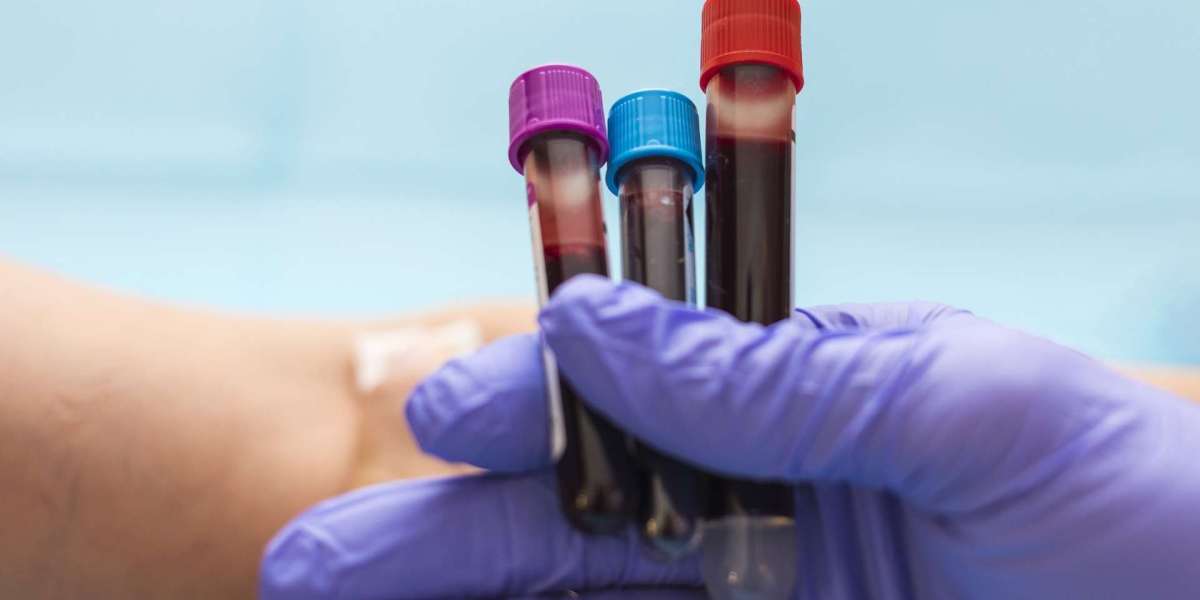

A full blood test is often seen as a routine part of health screening, but in reality it works like a detailed internal report card of your body. Every marker in your blood reflects how well your organs, metabolism, and nutrition systems are functioning at a given moment.
When it comes to nutrient deficiencies, a complete Full Blood Test in Dubai is one of the earliest and most reliable ways to detect imbalances before they develop into noticeable symptoms. Many people experience fatigue, weakness, hair loss, or poor immunity without realizing these signs often begin with low vitamin or mineral levels that can be identified through routine blood work.
Why Nutrient Deficiencies Often Go Unnoticed?
Micronutrient deficiencies rarely appear suddenly. Instead, they develop gradually as dietary intake, absorption, or body demand changes over time. The human body is also adaptive, meaning it can function at reduced nutrient levels for a long period before showing clear symptoms.
This is why many people assume they are healthy even when underlying deficiencies are already present. A full blood test helps uncover these hidden gaps early by measuring biomarkers linked to essential vitamins and minerals, making it a key tool in preventive healthcare and routine health screening.
What a Full Blood Test Measures for Nutrition?
A full blood test, also known as a complete blood panel or full body blood checkup, includes multiple components that indirectly or directly reflect nutritional status. These commonly include complete blood count, iron studies, vitamin B12 levels, vitamin D levels, and sometimes folate and metabolic markers.
Each of these indicators provides insight into how well your body is receiving and using essential nutrients. For example, red blood cell levels can reflect iron status, while specific serum vitamin levels directly measure micronutrient availability in the bloodstream.
Iron Deficiency: The Most Common Hidden Imbalance
Iron deficiency is one of the most frequently detected issues in routine blood work. It often develops slowly and can remain unnoticed until it significantly affects energy levels.
A full blood test typically evaluates hemoglobin, hematocrit, and sometimes ferritin levels to assess iron stores. Low iron can lead to reduced oxygen transport in the blood, which may cause fatigue, dizziness, pale skin, and reduced physical performance. Detecting iron deficiency early allows dietary correction or supplementation before it progresses to anemia.
Vitamin B12 Deficiency and Its Neurological Impact:
Vitamin B12 plays a critical role in nerve function, red blood cell formation, and brain health. A deficiency may not always show immediate physical symptoms, but it can gradually affect energy levels, memory, and concentration.
In a full blood test, low B12 levels may also be reflected in changes in red blood cell size and count. Early detection is important because prolonged deficiency can lead to neurological complications if left untreated. Dietary adjustments or supplementation are often effective when addressed early.
Vitamin D Deficiency: The Silent Epidemic
Vitamin D deficiency is extremely common, especially in individuals with limited sun exposure or poor dietary intake. A full blood test can measure serum vitamin D levels to assess bone and immune health status.
Low vitamin D is associated with bone weakness, muscle fatigue, frequent infections, and low mood. Because symptoms are often subtle, many people remain unaware of the deficiency until it is identified through routine health screening.
Folate Levels and Cellular Health:
Folate, or vitamin B9, is essential for DNA production and cell growth. It is especially important during periods of rapid cell turnover such as pregnancy or recovery from illness.
A deficiency in folate can contribute to anemia and fatigue, similar to vitamin B12 deficiency. Blood tests that include folate measurement help distinguish between different types of anemia and ensure accurate treatment.
How Blood Markers Reveal Nutrient Absorption Issues?
Sometimes nutrient deficiencies are not caused by poor diet but by absorption problems in the digestive system. A full blood test can provide indirect clues about this issue through abnormal nutrient levels despite adequate intake.
For example, persistently low iron or vitamin B12 levels may indicate malabsorption conditions such as gastrointestinal disorders. This makes blood testing an important diagnostic tool beyond simple dietary assessment.
Fatigue and Weakness: When Blood Tests Reveal the Cause
Unexplained fatigue is one of the most common reasons people undergo routine blood testing. Nutrient deficiencies are often the underlying cause.
Low iron, B12, or vitamin D levels can directly contribute to reduced energy production, muscle weakness, and mental fatigue. A full blood test helps connect these symptoms to measurable biological causes rather than guessing or self-diagnosing.
Who Should Prioritize Nutrient Testing?
While nutrient deficiencies can affect anyone, certain groups are at higher risk and benefit more from regular full blood tests. These include individuals with restrictive diets, chronic stress, digestive issues, or increased physical demands.
People with fatigue, hair loss, frequent illness, or poor concentration are also commonly advised to undergo routine blood screening to check for hidden micronutrient deficiencies.
How Often Nutrient Levels Should Be Checked?
The frequency of full blood testing depends on individual health status. For generally healthy individuals, annual testing may be sufficient as part of preventive healthcare.
However, those with known deficiencies or chronic conditions may require more frequent monitoring to track improvements and adjust treatment plans. Regular testing ensures that nutrient levels remain stable over time.
Limitations of Blood Tests in Nutrient Detection:
While full blood tests are highly useful, they do have limitations. Some nutrient levels may fluctuate daily based on diet, hydration, or stress. Additionally, certain nutrients may not be directly measured and are instead assessed indirectly through related markers.
This is why doctors interpret blood results alongside symptoms, dietary habits, and medical history to form a complete picture of nutritional health.
Turning Blood Test Results Into Action:
Identifying nutrient deficiencies is only the first step. The real value of a full blood test lies in how the results are used. Once deficiencies are detected, targeted dietary changes or supplementation can restore balance effectively.
For example, iron-rich foods may be recommended for iron deficiency, while sunlight exposure or supplements may be suggested for vitamin D deficiency. Vitamin B12 levels can often be corrected through dietary changes or medical supplementation depending on severity.
Preventive Healthcare Through Nutritional Awareness:
A full blood test plays a vital role in preventive healthcare by identifying nutrient deficiencies before they become serious health problems. Early detection allows for timely intervention, reducing the risk of complications such as anemia, bone weakness, or neurological issues.
This proactive approach supports long-term wellness by ensuring the body receives the nutrients it needs to function optimally.
The Connection Between Nutrition and Overall Health:
Nutrient balance is directly linked to energy levels, immune function, mental clarity, and physical performance. Even minor deficiencies can affect daily life in subtle but significant ways.
By using Lab tests as a nutritional monitoring tool, individuals gain a clearer understanding of how internal imbalances may be affecting their overall health.
Final Perspective: Early Detection Creates Better Health Outcomes
A full blood test is one of the most effective ways to identify nutrient deficiencies early and accurately. It transforms invisible internal imbalances into measurable data that can guide meaningful health improvements.
When used as part of routine health screening, it helps prevent long-term complications, supports energy and immunity, and ensures the body receives the nutrients it needs. In simple terms, early detection through blood testing leads to earlier correction, better health, and stronger long-term well-being.