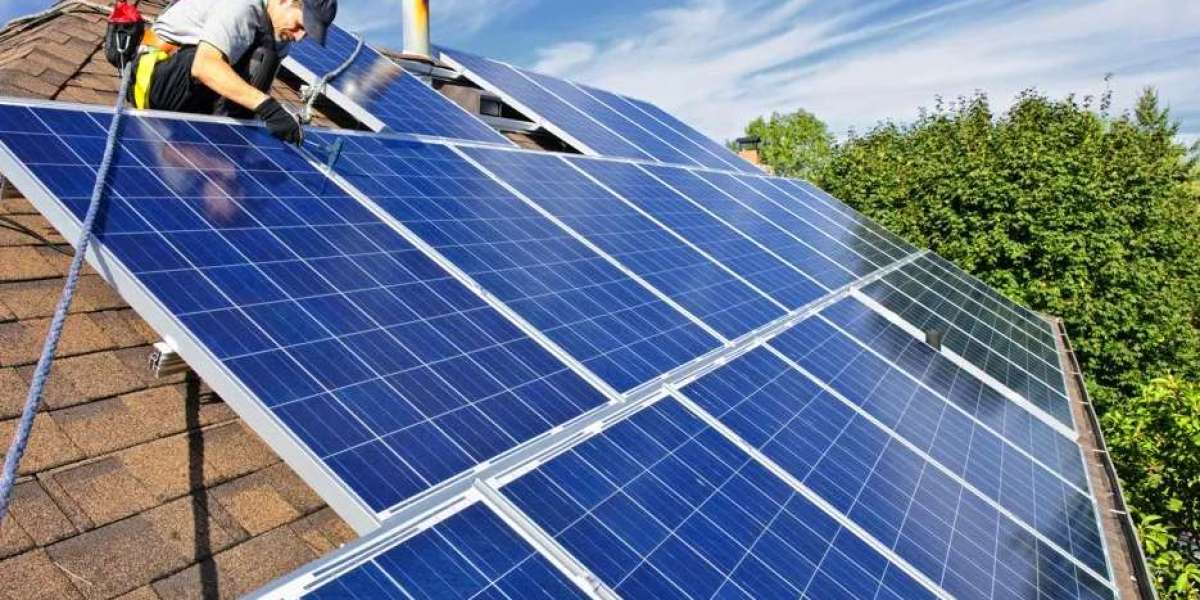

Solar energy is becoming a practical choice for reducing electricity bills and building a more sustainable lifestyle. But the difference between an average system and a high-performing one often comes down to how well the installation is planned and executed. This guide breaks down essential steps to ensure your solar panels installation delivers maximum efficiency and long-term value.
1. Start with a Realistic Energy Goal
Before anything else, define what you want your solar system to achieve:
- Do you want to fully replace grid electricity or just reduce bills?
- How much energy do you use daily during peak hours?
- Are there seasonal changes in your consumption pattern?
Clear goals help you design a system that matches your actual needs instead of overspending or underbuilding.
2. Inspect Sunlight Availability Throughout the Year
Solar performance depends heavily on sunlight exposure, not just daily sunshine:
- Check how sunlight hits your property in summer and winter.
- Identify areas with consistent direct sunlight.
- Avoid zones that get long shadows from trees or nearby buildings.
A well-analyzed site ensures your solar panels installation produces steady energy year-round.
3. Choose Technology That Fits Your Situation
Not every solar setup is the same, and choosing the right components matters:
- Panel Efficiency: Higher efficiency means more power from less space.
- Inverter Type: String inverters work well for simple layouts, while microinverters suit shaded roofs.
- Build Quality: Durable materials reduce long-term maintenance issues.
Matching technology to your environment improves performance and reliability.
4. Design for Maximum Output, Not Just Appearance
A good solar system is engineered, not just installed:
- Position panels to avoid even partial shading.
- Optimize spacing for airflow and cooling.
- Plan wiring routes to reduce energy loss.
A well-designed solar panels installation quietly produces more energy without extra hardware.
5. Don’t Ignore Structural Strength
Your roof or mounting surface plays a critical role:
- Ensure the structure can handle the weight of panels and frames.
- Check for leaks, cracks, or weak points before installation.
- Reinforce older roofs if needed to avoid future damage.
Ignoring structure can shorten system life and create expensive repairs later.
6. Think About Energy Usage Patterns
Solar energy is most effective when aligned with how you use electricity:
- Run heavy appliances during daylight hours.
- Shift energy-intensive tasks to peak solar production times.
- Reduce standby power consumption from unused devices.
Smart usage habits increase the benefits of your system without extra cost.
7. Add Monitoring for Better Control
Modern solar systems perform best when you can track them:
- Monitor daily energy production in real time.
- Detect drops in performance early.
- Compare seasonal performance trends.
Monitoring helps you keep your solar panels installation running at peak efficiency.
8. Plan for Maintenance from Day One
Solar systems are low-maintenance, but not maintenance-free:
- Clean panels periodically to remove dust and debris.
- Inspect wiring and connections annually.
- Schedule professional checkups every few years.
Regular care keeps performance stable over decades.
Final Thoughts
A successful solar setup is not just about installing panels—it’s about smart planning, correct design, and long-term thinking. When done right, your solar panels installation can provide reliable energy savings, reduce dependence on the grid, and support a cleaner environment for years to come.