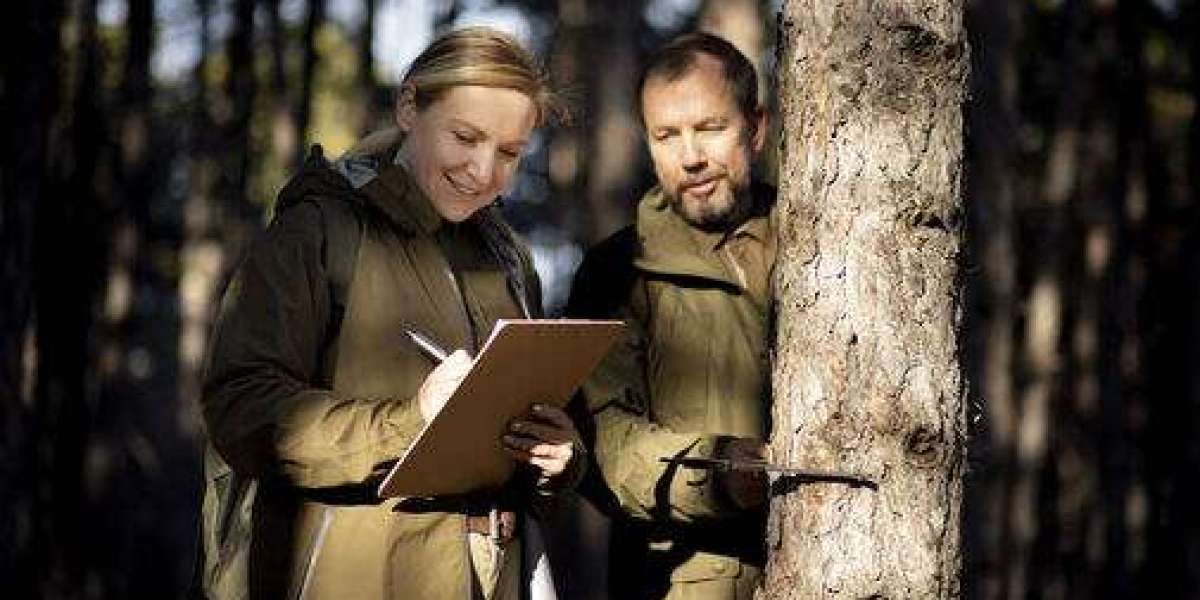

Discover the key methods and environmental targets of Vermont timber management, helping to keep its forests healthy and flourishing for generations to come.
Vermont is typically characterized by its undulating green hills and vast woods. Being the second most heavily forested state in the U.S. the well-being of these natural habitats is crucial not only to the local environment but also to the region's economic identity. Central to preserving this scenery is Vermont timber managementa strategy that unites wood harvesting with forest conservation.
The Philosophy of Management
Vermont timber management involves much more than cutting down trees; it entails silviculture, which is essentially managing forest development, variety, and quality. A large share of Vermont's forest area is under private ownership, so most management decisions come down to forest stewardship over longer periods rather than immediate profit choices. Forests are to be maintained so that they can withstand infestations, climate changes, and the breaking up of habitats, all the while delivering wood and other resources that are renewable.Key Techniques and Silviculture
Effective management methods depend on the particular tree species and soil conditions of the area. Some of the frequently used methods are:
Selective Thinning: By this method, trees that are suppressed or diseased are removed so that the healthiest "crop trees" get more sunlight and nutrient supply. This results in faster growing of good quality timber.
Shelterwood Cutting: Through this method, the overstory is removed in different stages of harvest, thus new seedlings can grow themselves under the protection of the older trees. If you want to know about species that tolerate shade, sugar maple is one of those.
Patch Cuts: Small, controlled clearings can create "early-successional" habitats. This helps in the survival of various wildlife species, such as the American woodcock and ruffed grouse, which need young, shrubby forest stages to thrive.
Ecological and Economic Balance
Vermont timber management's basic principle is safeguarding the non-timber values. A licensed forester makes water quality a priority by setting up "Acceptable Management Practices" (AMPs) near streams and wetlands to keep the ground from washing away. Besides that, the management plan may also call for the retention of "mast" trees (like beech and oak) that supply food to bears and deer, as well as "snags" (dead standing trees) that provide nesting places for birds and insects.Apart from policy, the state provides incentives to landowners who engage in sustainable practices through the Use Value Appraisal (UVA) program; the one that is generally called "Current Use." Landowners are given the option to have their forestland assessed and taxed as if it were a production wood area instead of a development area, under the condition that they operate a thorough, state-approved management plan.
Response to Contemporary Problems
Nowadays, Vermont timber management deals with new problems. For example, the extinction of ash trees due to the emergence of invasive species like the Emerald Ash Borer is a problem that needs a well thought-out strategy. Besides that, as a result of global warming, changes in the timing of the growth season and movement of species henceforth the foresters are shifting their attention to "forest adaptation" or harvesting the capability of a range of species that will ensure the forest overall will be able to withstand future environmental challenges.
Therefore, Vermont timber management is the backbone in ensuring that the state's forests will be regenerate, aesthetically pleasing and rich in wild life. With good planning, application of research and technology it is possible for the Green Mountain State to provide the necessary wood products while at the same time protecting the environment for future generations.