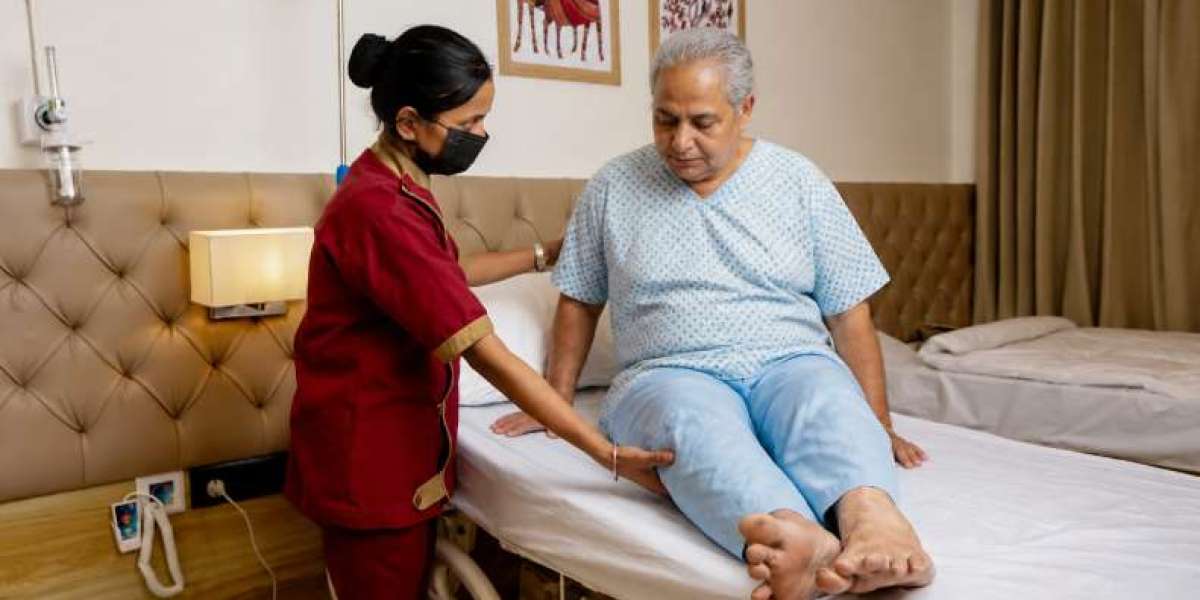

For most families, the day of hospital discharge after heart surgery feels like a moment of relief. The procedure is complete; the patient is stable, and the focus naturally shifts toward getting back home. It often feels like the most difficult part of the journey is over.
But in reality, this is where recovery truly begins.
The period immediately after discharge is one of the most critical phases in the entire recovery journey. It is also the phase where care often becomes unstructured. Patients leave a highly monitored hospital environment and suddenly move into a setting where guidance, supervision, and routine are limited. This gap is exactly why cardiac rehabilitation should start immediately after discharge.
The Most Overlooked Phase in Recovery
Hospitals are designed for acute care. Their role is to stabilise the patient, manage surgical outcomes, and ensure that immediate risks are under control. Once that is achieved, discharge is planned.
However, discharge does not mean recovery is complete.
At this stage, the patient is still healing internally. The heart is adapting after surgery, physical strength is reduced, and the risk of complications remains present. Many patients also experience fatigue, breathlessness, and anxiety about movement. Without a structured plan, these challenges can slow down recovery significantly.
This is where cardiac rehab after discharge becomes essential. It ensures that recovery continues in a guided and clinically supported manner rather than being left to guesswork.
Why Immediate Cardiac Rehabilitation Matters
The first few weeks after surgery play a decisive role in shaping long-term outcomes. Starting cardiac rehabilitation immediately helps the body transition from a state of medical dependency to gradual independence.
When rehabilitation begins early, recovery follows a predictable path. Patients are introduced to safe levels of activity, their vitals are monitored, and their response to exercise is carefully observed. This reduces uncertainty and builds confidence.
On the other hand, when rehab after heart surgery is delayed, recovery often becomes inconsistent. Patients may become overly cautious and avoid movement, which weakens muscles further. In some cases, they may push themselves without proper guidance, increasing the risk of complications.
A structured cardiac rehabilitation program removes this uncertainty by providing a clear, step-by-step approach to recovery.
The Risk of Waiting Too Long
It is common for families to adopt a “rest-first” approach after discharge. While rest is important, prolonged inactivity can delay healing.
Patients who delay cardiac rehab after discharge often experience slower improvement in strength and stamina. Fatigue tends to persist, mobility becomes limited, and confidence in performing daily activities decreases. Over time, this can extend overall recovery time and make the journey more difficult.
Recovery is not just about healing wounds it is about restoring function. Without early intervention, this process becomes slower and less effective.
What Immediate Cardiac Rehabilitation Looks Like
Starting cardiac rehabilitation immediately does not mean pushing the patient into intense exercise. Instead, it involves a carefully structured and supervised approach to recovery.
The process begins with gentle movement, gradually introducing activity based on the patient’s condition. Monitoring plays a key role, ensuring that heart rate, blood pressure, and overall response to activity remain within safe limits. Nutrition, medication adherence, and emotional well-being are also integrated into the recovery plan.
A well-designed cardiac rehabilitation program ensures that recovery progresses steadily, without sudden strain or unnecessary delays.
Why Home-Based Recovery Often Falls Short
In India, home recovery is the most common approach. While it provides emotional comfort, it often lacks the structure required for effective rehabilitation.
Patients may not have clarity on how much activity is safe. Families may not be equipped to monitor vital signs regularly or identify early warning signs. Over time, routines become inconsistent, and recovery slows down.
This lack of structure makes rehab after heart surgery unpredictable. Even with the best intentions, managing recovery at home can become overwhelming.
From Hospital to Recovery: Why Care Homes Matter
This is where a Care Home becomes highly relevant.
A Care Home is not just a place for stay—it is a structured Recovery centre designed to support patients during the most critical phase after discharge. Unlike a typical Rehabilitation center that may focus only on therapy sessions, Care Homes provide continuous, integrated care.
Recovery after heart surgery is not limited to a few hours of exercise. It requires ongoing monitoring, medication management, nutritional support, and the ability to respond immediately to any change in condition. Care Homes bring all these elements together in a single environment.
Patients benefit from a consistent routine where rehabilitation is part of daily life, not an isolated activity. This ensures that recovery is safe, steady, and well-coordinated.
Why 30–40 Days in a Care Home Can Transform Outcomes
The first month after discharge is the most important phase in determining long-term recovery.
Spending at least 30–40 days in a Care Home allows patients to recover in a structured and medically supervised environment during this high-risk period. It ensures continuity of care from hospital to home, without sudden gaps in supervision.
During this time, patients gradually rebuild strength, improve mobility, and regain confidence in performing daily activities. Because recovery is guided and monitored, progress tends to be faster and more consistent.
This approach not only improves immediate recovery but also contributes to better long-term health outcomes.
The Advantage of Experienced and Established Care Providers
Recovery after heart surgery requires more than basic support. It demands clinical expertise, structured protocols, and the ability to manage complications effectively.
Established Care Home providers with a wider presence bring these advantages. Their infrastructure, multidisciplinary teams, and experience in handling multiple recovery cases allow them to deliver consistent and high-quality care.
Such environments are better prepared to handle variations in recovery, manage comorbidities, and respond quickly to any medical need. This level of preparedness is difficult to achieve in smaller or unstructured setups.
Choosing an experienced provider ensures that cardiac rehabilitation is not just available but delivered with precision and reliability.
A Common Situation Families Face
A patient returns home after surgery and begins recovery with basic instructions. The first few days feel manageable, but gradually fatigue increases, activity reduces, and progress slows down.
The family assumes this is part of normal healing.
In many cases, what is missing is timely cardiac rehabilitation.
With early intervention and structured support, the same recovery journey could have been smoother, faster, and far less stressful.
Conclusion
Hospital discharge is not the end of recovery it is the beginning of a phase that requires equal, if not greater, attention.
Starting cardiac rehabilitation immediately after discharge ensures that recovery is guided, safe, and effective. It reduces uncertainty, improves outcomes, and helps patients regain independence with confidence.
For families, planning recovery is just as important as planning surgery. Choosing a structured environment like a Care Home, especially for the first 30–40 days, can make a meaningful difference in both recovery time and long-term health.
Because in the end, recovery is not just about healing the heart—it is about restoring life.