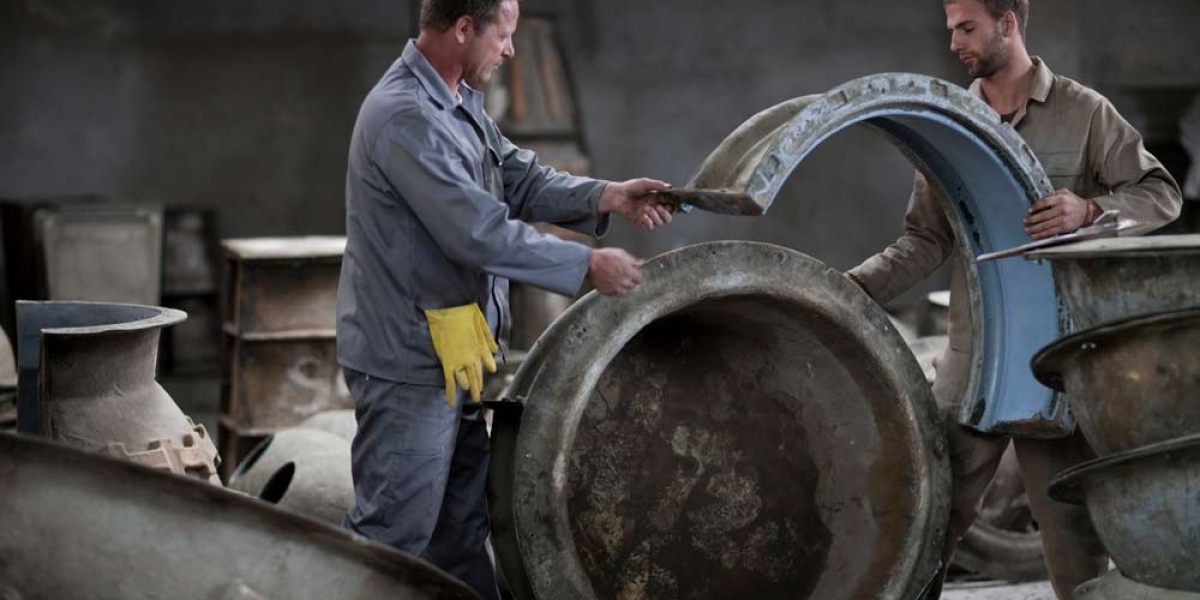

In today’s world, where environmental concerns and resource conservation are more important than ever, recycling plays a crucial role in shaping a sustainable future. Among the many types of recycling, Scrap Metal Recycling stands out as one of the most impactful and efficient processes. It not only reduces the strain on natural resources but also supports economic growth by creating jobs and supplying raw materials for various industries. Whether it’s old appliances, construction debris, or discarded vehicles, scrap metal has immense value when properly recycled.
Understanding Scrap Metal Recycling
Scrap metal recycling involves the collection, processing, and repurposing of metal materials that would otherwise be considered waste. Metals such as aluminum, copper, steel, brass, and iron can be recycled repeatedly without losing their properties. This makes them highly valuable compared to other materials.
The process typically begins with the collection of scrap from homes, businesses, and industrial sites. Items like old wiring, pipes, car parts, and even beverage cans are gathered and sorted based on their type and quality. After sorting, the metals are cleaned, shredded, and melted in specialized furnaces. The molten metal is then purified and solidified into new forms, ready to be used in manufacturing.
Environmental Benefits
One of the most significant advantages of scrap metal recycling is its positive impact on the environment. Mining and extracting raw metals require vast amounts of energy and cause significant environmental damage, including deforestation, soil erosion, and water pollution. Recycling metal, on the other hand, uses considerably less energy and reduces greenhouse gas emissions.
For example, recycling aluminum can save up to 95% of the energy required to produce it from raw materials. Similarly, recycling steel conserves iron ore, coal, and limestone, all of which are limited natural resources. By choosing to recycle scrap metal, individuals and businesses can significantly reduce their carbon footprint.
Economic Advantages
Scrap metal recycling is not just environmentally beneficial—it is also economically rewarding. The recycling industry generates billions of dollars annually and provides employment opportunities across various sectors, from collection and transportation to processing and manufacturing.
Individuals can also benefit financially by selling scrap metal to recycling centers. Items that might seem worthless, such as broken appliances or leftover construction materials, can actually generate extra income. Businesses, especially those in construction and manufacturing, can reduce waste disposal costs while contributing to a circular economy.
Practical Applications and Everyday Examples
Scrap metal recycling is deeply integrated into everyday life, often without people realizing it. When you recycle a soda can, it may return to store shelves as a new can within just a few weeks. Old cars are another excellent example—nearly 75% of a vehicle’s components can be recycled, making automobiles one of the most recycled products globally.
Construction sites also produce large amounts of scrap metal, including steel beams, pipes, and wiring. Instead of sending these materials to landfills, recycling them ensures they are reused in new buildings and infrastructure projects. Even electronic waste, such as old computers and smartphones, contains valuable metals like gold, silver, and copper that can be recovered through recycling.
Challenges and Considerations
Despite its many benefits, scrap metal recycling does face certain challenges. Proper sorting is essential to maintain the quality of recycled materials, and contamination can reduce the efficiency of the process. Additionally, fluctuating market prices for metals can impact the profitability of recycling operations.
Another important consideration is public awareness. Many people are still unaware of the value of scrap metal or how to recycle it properly. Increasing education and accessibility to recycling facilities can help overcome this barrier and encourage more participation.
Tips for Effective Recycling
To make the most of scrap metal recycling, individuals can follow a few simple practices:
- Separate metals from other waste materials before disposal.
- Clean items to remove non-metal components when possible.
- Identify different types of metals to ensure proper sorting.
- Take scrap to certified recycling centers for fair pricing and responsible processing.
These small steps can make a significant difference in improving recycling efficiency and environmental impact.
Conclusion
Scrap metal recycling is a powerful tool for building a more sustainable and resource-efficient world. By transforming discarded materials into valuable resources, it reduces environmental harm, supports economic growth, and promotes responsible consumption. As awareness continues to grow, more individuals and businesses can contribute to this essential process. Embracing recycling today not only benefits the present but also ensures a cleaner, greener future for generations to come.