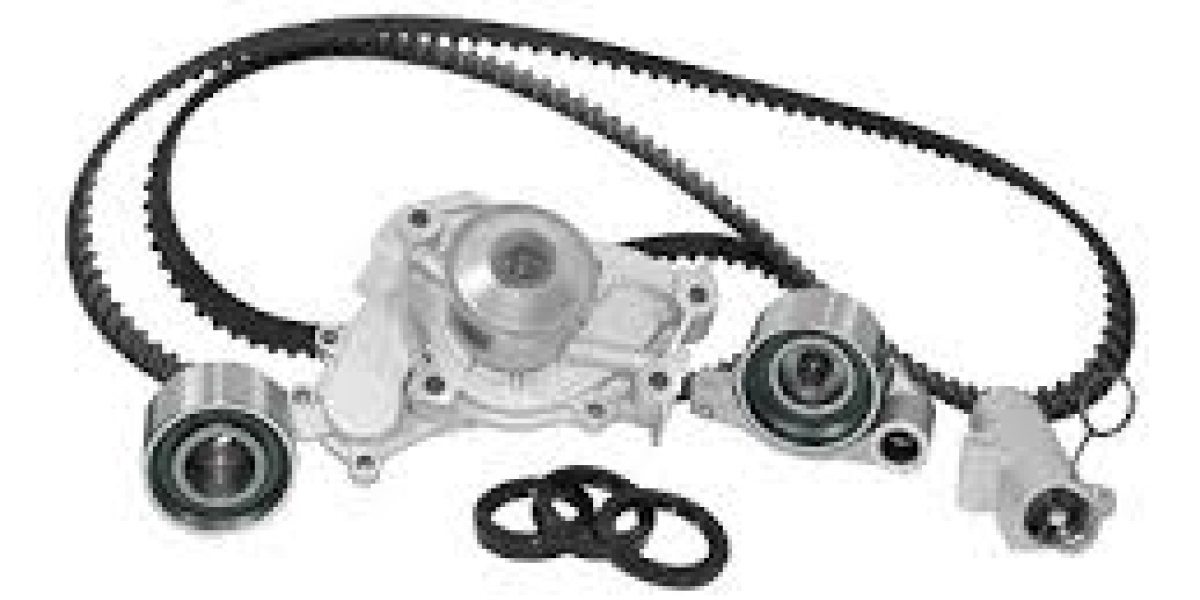

Timing belt kits are essential for maintaining precise engine synchronization in modern vehicles, yet they are frequently underestimated in maintenance planning. For B2B operators such as fleet managers, workshops, and parts distributors, timing belt kit failure represents more than a mechanical issue—it directly impacts uptime, operational costs, and service reliability.
Most engine failures linked to timing systems are preventable. They occur due to wear progression, poor maintenance decisions, or incorrect installation practices. A structured understanding of failure patterns and preventive strategies is critical for reducing risk and maintaining consistent engine performance across fleets.
Role of Timing Belt Kits in Engine Systems
A timing belt kit includes the timing belt, tensioner, and idler pulleys. These components work together to maintain exact synchronization between the crankshaft and camshaft.
This synchronization ensures that engine valves open and close at precise intervals, supporting efficient combustion. If timing is disrupted, even slightly, it can lead to misfires, reduced power output, and in severe cases, internal engine collision in interference engines.
From a B2B standpoint, timing belt kits are not consumable parts alone—they are operational reliability components that protect entire vehicle uptime cycles.
Key Problems Caused by Timing Belt Kit Failure
Timing belt kit failure rarely happens instantly. It develops through identifiable symptoms that are often ignored until damage becomes severe.
1. Abnormal Engine Noise
A failing belt system may produce ticking or slapping sounds. This typically indicates tension loss, pulley wear, or belt misalignment within the system.
2. Engine Misfire and Power Loss
Incorrect timing disrupts combustion cycles, leading to misfires, reduced torque, and inconsistent engine behavior under load conditions.
3. Hard Starting Conditions
A stretched or slipping belt affects synchronization timing, causing delayed ignition or extended cranking during engine start-up.
4. Oil Contamination Damage
Oil leakage near the timing cover weakens belt material integrity, accelerating cracking and reducing service life.
5. ECU Fault Detection
Modern engine control units detect timing deviations using camshaft and crankshaft sensors, triggering warning lights and diagnostic trouble codes.
Root Causes Behind Timing Belt Kit Failure
Understanding failure sources allows businesses to shift from reactive repair to predictive maintenance strategies.
Low-Quality Components
Inferior belts and tensioners cannot withstand continuous thermal and mechanical stress, especially in high-mileage or commercial usage environments.
Improper Installation
Incorrect tensioning or alignment during installation is one of the leading causes of early failure. Even small deviations can significantly reduce lifespan.
Extended Replacement Intervals
Manufacturers define strict replacement cycles, typically between 60,000 and 100,000 miles. Exceeding this range increases failure probability exponentially.
Harsh Operating Conditions
High temperatures, dusty environments, heavy load operations, and frequent stop-start driving accelerate wear and degrade system performance.
Preventive Maintenance Strategy for B2B Operations
A structured maintenance approach is the most effective method to control timing belt kit failures in commercial environments.
Standardized Maintenance Scheduling
Fleet operators should implement fixed replacement intervals based on mileage, engine load, and usage conditions. This reduces unexpected breakdowns and stabilizes maintenance costs.
Full Kit Replacement Policy
Replacing only the belt while leaving tensioners or pulleys unchanged creates imbalance in the system. A full kit replacement ensures synchronized wear and system stability.
Certified Component Selection
Using OEM-grade or certified aftermarket timing belt kits ensures higher resistance to heat, friction, and continuous load stress.
Routine Inspection Programs
Regular inspection of oil seals and engine covers helps detect early contamination risks before they compromise belt integrity.
Professional Installation Standards
Correct torque application, alignment precision, and tension calibration are critical for extending service life and preventing premature failure.
B2B Impact and Operational Risk
In B2B environments, timing belt kit failure has a direct financial and operational impact. A single engine failure can cause vehicle downtime, delayed deliveries, and customer service disruptions.
For fleet operators managing multiple vehicles, even a small failure rate scales into significant revenue loss. Additionally, emergency repairs are more expensive than scheduled maintenance, increasing total cost of ownership.
Workshops and distributors also face reputational risk when improper installation leads to repeated failures or customer dissatisfaction.
Implementing predictive maintenance models, maintaining stock of high-quality timing belt kits, and ensuring technician training significantly reduces these risks. Businesses that adopt these practices achieve better asset utilization, improved reliability, and lower long-term operational costs.
Conclusion
Timing belt kits are critical components in engine performance systems, yet their importance is often overlooked until failure occurs. Most failures are not random—they are the result of predictable wear patterns, installation errors, or poor maintenance discipline.
For B2B operators, the key to reliability lies in proactive maintenance strategies. By enforcing structured replacement schedules, using certified components, and ensuring professional installation, businesses can significantly reduce downtime and prevent costly engine damage.
In modern automotive operations, timing belt kits are not just replacement parts—they are essential reliability assets that directly influence operational stability, efficiency, and profitability.