
What to Expect During Vestibular Rehabilitation
Feeling dizzy, unsteady, or off balance can affect nearly every part of daily life. Simple activities such as walking, driving, shopping, or turning your head quickly may become challenging. Vestibular rehabilitation is a specialized form of physiotherapy designed to help people manage dizziness, improve balance, and restore confidence in movement.
If you are considering vestibular physiotherapy Spruce Grove services, understanding what happens during treatment can help you feel more prepared and comfortable. At Sunrise Physical Therapy, vestibular rehabilitation programs are tailored to each individual's symptoms, health history, and recovery goals.
Understanding Vestibular Rehabilitation
The vestibular system is located within the inner ear and works closely with the brain, eyes, muscles, and joints to maintain balance and spatial awareness. When this system is disrupted, symptoms may include dizziness, vertigo, balance problems, nausea, motion sensitivity, and difficulty focusing during movement.
Vestibular rehabilitation uses evidence-based physiotherapy techniques to retrain the body's balance system and improve communication between the brain and sensory systems.
People commonly seek treatment for:
Vertigo and spinning sensations
Balance and walking difficulties
Inner ear disorders
Vestibular neuritis
Labyrinthitis
Benign paroxysmal positional vertigo (BPPV)
Post-concussion dizziness
Motion sensitivity
Persistent feelings of unsteadiness
Many individuals searching for dizziness physiotherapy Spruce Grove are looking for solutions that address the root cause of their symptoms rather than simply managing discomfort.
Your Initial Vestibular Assessment
The first appointment focuses on understanding your symptoms and identifying factors contributing to dizziness or balance problems.
Discussion About Your Symptoms
Your physiotherapist will ask detailed questions about:
When symptoms started
How often dizziness occurs
Activities that trigger symptoms
Previous injuries or concussions
Medical history
Current medications
Falls or balance concerns
This information helps guide the assessment process and determine the most appropriate treatment approach.
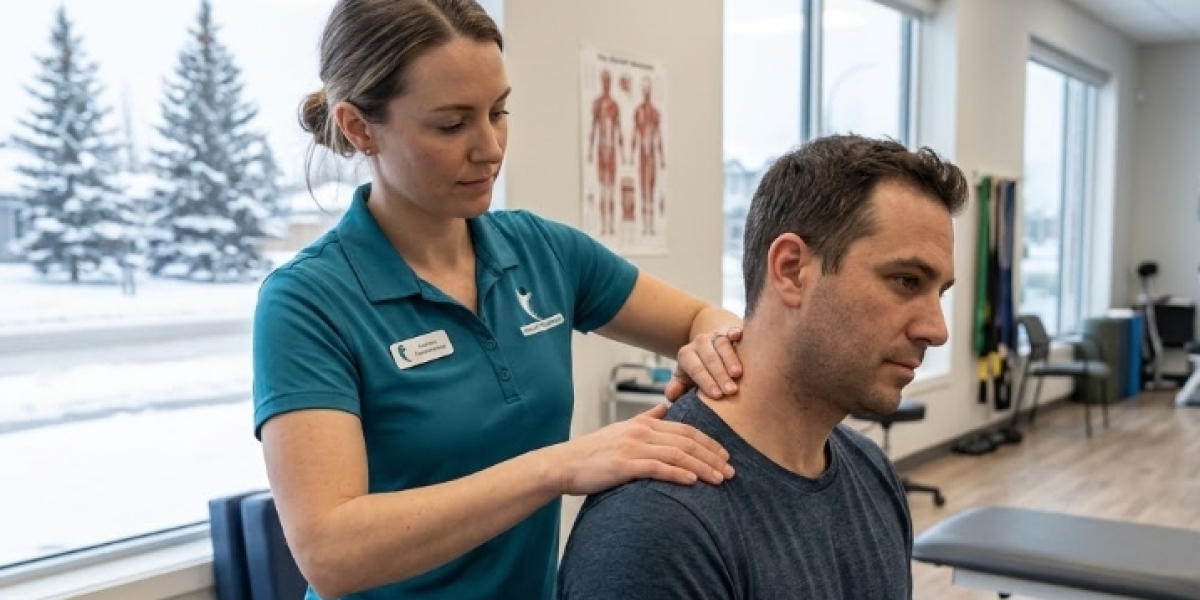
Physical Examination
The assessment may include testing of:
Eye movement control
Head and neck mobility
Balance and coordination
Walking patterns
Postural stability
Vestibular function
Positional changes that provoke symptoms
These evaluations help determine how the vestibular system is affecting movement and daily function.
Identifying the Cause of Dizziness
Not all dizziness originates from the same condition. A thorough assessment helps distinguish between various vestibular disorders and other causes of imbalance.
Some common diagnoses include:
Benign Paroxysmal Positional Vertigo
BPPV occurs when tiny crystals within the inner ear move into the wrong area, creating brief episodes of vertigo with head movements.
Vestibular Neuritis
This condition involves inflammation affecting the vestibular nerve and can lead to sudden dizziness, balance challenges, and nausea.
Concussion-Related Vestibular Dysfunction
Head injuries may disrupt the connection between the vestibular system, vision, and brain processing centers, leading to ongoing dizziness and motion sensitivity.
Age-Related Balance Changes
As people age, changes in vision, strength, joint mobility, and vestibular function can contribute to instability and increased fall risk.
What Happens During Treatment Sessions
Treatment plans vary depending on the diagnosis and severity of symptoms. Vestibular rehabilitation is highly individualized.
Canalith Repositioning Maneuvers
For individuals diagnosed with BPPV, specific repositioning techniques may be performed to guide displaced crystals back to their correct location within the inner ear.
Many patients experience symptom improvement after one or several sessions, depending on the complexity of the condition.
Gaze Stabilization Exercises
These exercises improve the connection between the eyes and vestibular system.
Examples may include:
Focusing on a target while moving the head
Tracking objects with the eyes
Visual coordination activities
The goal is to reduce dizziness and improve visual clarity during movement.
Balance Training
Balance exercises help the body develop better control and stability.
Training may involve:
Standing on different surfaces
Weight shifting activities
Single-leg balance exercises
Dynamic movement drills
Functional walking tasks
These exercises gradually challenge the body's balance systems in a safe and controlled environment.
Habituation Exercises
Certain movements can trigger dizziness because the brain has become overly sensitive to specific positions or motions.
Habituation exercises involve repeated exposure to these movements in a structured way to reduce symptom intensity over time.
Mobility and Strengthening Programs
Vestibular symptoms often lead people to limit physical activity. Reduced movement can contribute to weakness, stiffness, and decreased confidence.
A physiotherapist may include:
Mobility exercises
Strengthening routines
Postural correction strategies
Functional movement training
Walking programs
These components support overall recovery and improve daily function.
How Long Does Recovery Take
Recovery timelines vary based on the underlying condition, symptom severity, age, health status, and consistency with prescribed exercises.
Some individuals notice improvements within a few visits, while others may require several weeks of rehabilitation.
Factors that can influence recovery include:
Early intervention
Following home exercise recommendations
Staying physically active when appropriate
Addressing contributing neck or postural issues
Managing concussion-related symptoms
Regular participation in physiotherapy care can support steady progress and long-term symptom reduction.
What You May Feel After Treatment
It is common to experience mild temporary symptoms following vestibular rehabilitation exercises.
Some people report:
Mild dizziness
Fatigue
Temporary imbalance
Increased awareness of movement
These responses often occur because the brain and vestibular system are adapting to new movement patterns. Symptoms typically settle as recovery progresses.
If symptoms become severe or prolonged, your physiotherapist will modify the treatment plan accordingly.
Tips to Get the Most From Vestibular Rehabilitation
Active participation plays an important role in successful recovery.
To support progress:
Complete home exercises as prescribed
Stay hydrated
Maintain regular sleep habits
Move within recommended activity levels
Communicate symptom changes to your physiotherapist
Follow safety recommendations for balance challenges
Consistency helps reinforce the adaptations needed for improved balance and reduced dizziness.
When to Seek Vestibular Physiotherapy
Persistent dizziness should not be ignored, especially when it affects work, recreation, mobility, or daily activities.
You may benefit from vestibular physiotherapy near me services if you experience:
Frequent dizziness
Vertigo episodes
Balance difficulties
Falls or near falls
Motion sensitivity
Unsteadiness while walking
Persistent symptoms after concussion
Early assessment can help identify the cause and create an appropriate rehabilitation plan.
Why Individualized Care Matters
Every vestibular condition presents differently. Effective rehabilitation requires a personalized approach that considers symptoms, movement patterns, medical history, and recovery goals.
At Sunrise Physical Therapy, treatment plans focus on improving balance, restoring mobility, reducing dizziness, enhancing posture, and supporting long-term function. Through targeted rehabilitation and guided exercise programs, patients can work toward greater confidence in movement and daily activities.
Conclusion
Vestibular rehabilitation is a specialized physiotherapy approach designed to help individuals overcome dizziness, balance challenges, and movement-related symptoms. From the initial assessment to progressive exercise programs, each stage of treatment focuses on restoring stability, improving mobility, and helping the body adapt more effectively to movement.
If dizziness, vertigo, or balance concerns are affecting your daily life, vestibular physiotherapy Spruce Grove services at Sunrise Physical Therapy can provide a structured path toward recovery, improved confidence, and safer movement in everyday activities.