
Introduction
The human immune system depends on a balanced supply of essential nutrients to function effectively, and iron is one of the most important among them. While iron is commonly associated with healthy blood production, its role extends far beyond carrying oxygen throughout the body. It also supports immune function, energy production, cognitive performance, and overall well-being. An Iron Deficiency Test can help identify low iron levels before they begin affecting daily life and long-term health.
Iron deficiency is one of the most common nutritional deficiencies worldwide, affecting people of all ages. Busy lifestyles, poor dietary habits, increased nutritional demands, and certain medical conditions can all contribute to declining iron stores. Early detection through appropriate testing allows individuals to seek timely medical guidance and prevent complications that may interfere with their quality of life.
Understanding Iron Deficiency and Its Importance
Iron is a mineral that helps produce hemoglobin, the protein found in red blood cells responsible for transporting oxygen throughout the body. When iron levels become inadequate, oxygen delivery to tissues decreases, leading to fatigue, weakness, and reduced physical performance. However, iron also plays a vital role in supporting immune cells that help the body fight infections.
Without sufficient iron, the immune response may become less effective, making the body more vulnerable to illnesses and slower recovery. Maintaining healthy iron levels therefore supports not only energy but also the body's natural defense mechanisms.
How Iron Supports Immune Resilience
The immune system relies on iron for the growth and activity of immune cells that identify and eliminate harmful microorganisms. White blood cells require adequate iron to function efficiently, helping the body respond appropriately to bacterial and viral infections.
Iron also contributes to the production of enzymes involved in immune regulation and tissue repair. When iron stores become depleted, these protective processes may become less efficient, potentially increasing susceptibility to infections and prolonging recovery times.
Healthy iron levels therefore contribute to stronger immune resilience and improved overall health.
Common Causes of Iron Deficiency
Iron deficiency develops for several reasons, and understanding these causes can help people take preventive measures before symptoms appear.
Poor dietary intake remains one of the leading contributors, particularly among individuals who consume insufficient iron-rich foods. Increased nutritional demands during adolescence, pregnancy, and rapid growth periods may also reduce iron stores if dietary intake is inadequate.
Blood loss from heavy menstrual cycles, gastrointestinal conditions, surgery, or chronic illnesses can gradually lower iron levels. Certain digestive disorders may also reduce iron absorption, increasing the risk of deficiency despite a balanced diet.
Regular health assessments help identify these risks before complications develop.
Signs That Should Not Be Ignored
Iron deficiency often develops gradually, making its symptoms easy to overlook. Many people assume that persistent tiredness or reduced concentration is simply a result of stress or a busy lifestyle.
Common symptoms may include ongoing fatigue, weakness, dizziness, headaches, pale skin, shortness of breath during mild activity, brittle nails, hair thinning, cold hands and feet, and difficulty concentrating. Some individuals may also notice reduced exercise tolerance or slower recovery from illnesses.
Recognizing these warning signs early can encourage timely medical evaluation and appropriate testing.
The Role of an Iron Deficiency Test
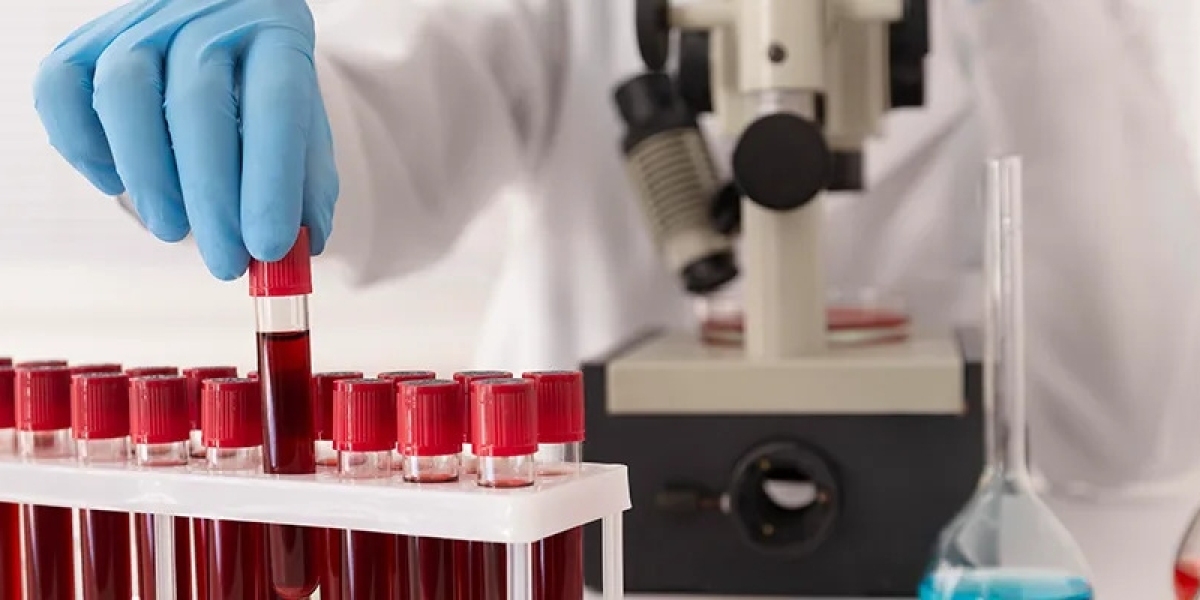
An Iron Deficiency Test provides valuable information about the body's iron stores and helps healthcare professionals identify deficiencies before severe complications occur. The test may include measurements such as serum iron, ferritin, total iron-binding capacity, and transferrin saturation, depending on the individual's clinical situation.
Testing allows physicians to determine whether symptoms are related to iron deficiency or another underlying condition. Early diagnosis supports timely nutritional guidance and medical management that can restore healthy iron levels and improve overall wellness.
Regular monitoring may also be recommended for individuals with higher risk factors or ongoing medical conditions.
Why Preventive Screening Is Becoming More Important
Preventive healthcare continues to gain importance as more people recognize the value of early diagnosis. Routine blood investigations can detect nutritional deficiencies long before noticeable symptoms develop, allowing simple interventions that may prevent more serious health concerns.
Individuals experiencing chronic fatigue, recurrent infections, poor dietary intake, digestive disorders, or heavy menstrual bleeding may benefit from discussing iron screening with their healthcare provider. Preventive testing supports informed health decisions and encourages proactive management rather than reactive treatment.
Early awareness contributes to healthier outcomes and improved long-term quality of life.
Finding an Iron Deficiency Test in Pune
For individuals seeking an Iron Deficiency Test in Pune, selecting a reliable diagnostic centre is an important part of receiving accurate results and quality healthcare support. Accredited laboratories with experienced professionals and standardized testing procedures help ensure dependable reports that physicians can confidently interpret.
Patients should consider factors such as laboratory quality standards, experienced staff, modern equipment, convenient appointment scheduling, transparent reporting, and patient-centered care when choosing a diagnostic facility. Reliable diagnostics form the foundation for accurate medical decisions and appropriate treatment planning.
Choosing a trusted healthcare provider offers reassurance throughout the diagnostic process and supports better long-term health management.
Supporting Healthy Iron Levels Naturally
Maintaining healthy iron levels involves balanced nutrition and healthy lifestyle habits. Iron-rich foods such as lean meats, fish, legumes, beans, spinach, nuts, seeds, and fortified cereals can help support daily iron intake. Pairing iron-rich foods with vitamin C sources like citrus fruits, tomatoes, and berries may improve iron absorption.
Individuals should avoid self-prescribing iron supplements without medical advice, as excessive iron intake may also create health concerns. Medical evaluation and laboratory testing remain the safest approach for determining individual nutritional needs.
Healthy eating combined with routine health monitoring contributes to sustained energy and stronger immune resilience.
Conclusion
Iron plays a critical role in maintaining both energy production and immune resilience, making it an essential nutrient for overall health. Iron deficiency may develop gradually and remain unnoticed until symptoms begin affecting daily activities and quality of life. Early recognition, timely laboratory testing, and professional medical guidance can help identify deficiencies before complications arise.
For individuals looking for dependable diagnostic services, AG Diagnostics is committed to providing accurate testing, advanced laboratory facilities, and compassionate patient care. Whether you are considering preventive health screening or require an Iron Deficiency Test in Pune, the experienced team at AG Diagnostics supports every patient with reliable diagnostic services that help build a healthier future through informed healthcare decisions.








