
How Home Physiotherapy Helps Seniors Maintain Mobility and Independence
As people age, maintaining mobility becomes an important part of preserving independence and quality of life. Everyday activities such as walking, climbing stairs, getting out of a chair, or carrying groceries can become more challenging due to age-related changes, injuries, or chronic health conditions.
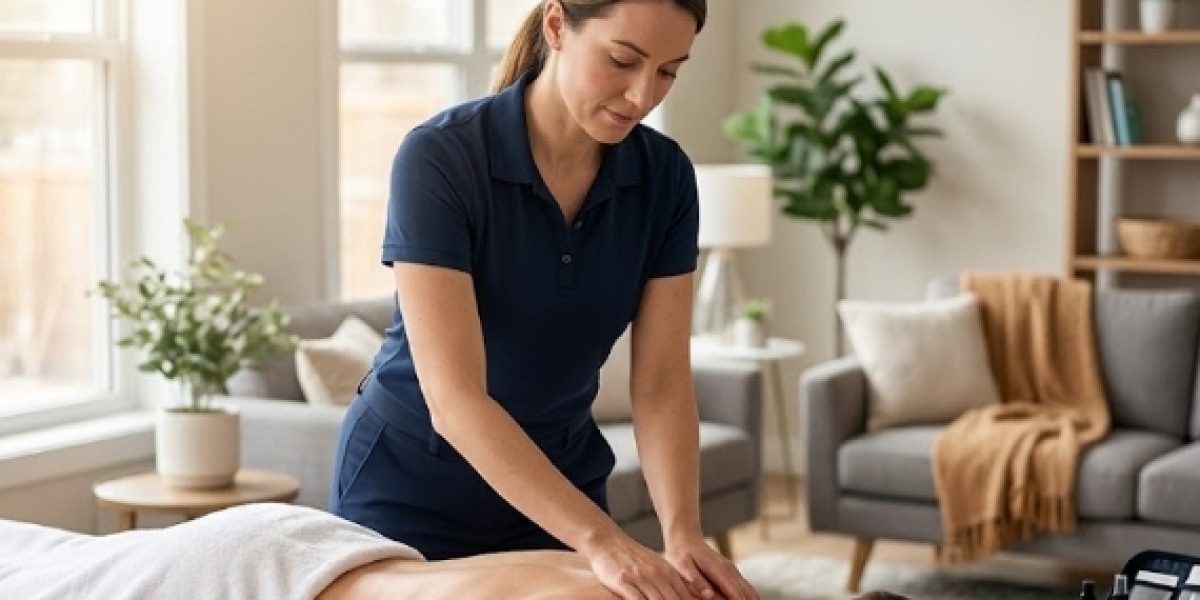
For many older adults, travelling to a clinic can be difficult. This is where in home physiotherapy Edmonton services can make a meaningful difference. Receiving physiotherapy care in a familiar home environment allows seniors to access professional rehabilitation while focusing on their individual mobility goals and daily functional needs.
At YEG Home Physiotherapy, treatment plans are designed to support movement, strength, balance, and confidence so seniors can continue participating in daily activities safely and comfortably.
Why Mobility Matters for Seniors
Mobility is closely connected to independence. When movement becomes limited, everyday tasks often require additional support from family members or caregivers.
Reduced mobility may result from several factors including:
- Arthritis and joint stiffness
- Muscle weakness
- Balance difficulties
- Previous falls
- Stroke recovery
- Neurological conditions
- Hip or knee replacement surgery
- Chronic pain conditions
- Reduced physical activity
Addressing mobility concerns early can help seniors remain active and engaged in their daily lives.
How In Home Physiotherapy Supports Independent Living
Home-based physiotherapy focuses on improving physical function in the environment where seniors spend most of their time.
A physiotherapist can assess how a person moves throughout their home and identify barriers that may affect safety and independence.
Benefits often include:
- Improved walking ability
- Better balance and stability
- Increased strength and endurance
- Reduced pain during movement
- Enhanced confidence with daily activities
- Lower risk of falls
- Improved ability to perform household tasks
Because treatment occurs at home, exercises and mobility strategies can be directly related to real-life situations.
Personalized Assessment in the Home Environment
One advantage of mobile physiotherapy Edmonton services is the ability to evaluate movement in a familiar setting.
A physiotherapist may assess:
Walking Patterns and Gait
Changes in walking speed, stride length, and posture can increase fall risk. A gait assessment helps identify movement limitations and areas for improvement.
Balance and Stability
Balance testing can reveal weaknesses that affect confidence while standing, turning, or navigating stairs.
Home Safety Factors
Potential hazards may include:
- Loose rugs
- Poor lighting
- Cluttered pathways
- Unsafe stair access
- Improper use of mobility aids
Small adjustments can significantly improve safety and reduce injury risk.
Strengthening Exercises for Better Mobility
Age-related muscle loss can affect mobility and physical performance. Strengthening exercises are often a key part of senior rehabilitation.
Depending on individual needs, physiotherapy programs may focus on:
Lower Body Strength
Strong leg muscles support walking, standing, and stair climbing.
Exercises may target:
- Quadriceps
- Hamstrings
- Gluteal muscles
- Calf muscles
Core Stability
A stronger core improves posture, balance, and overall movement efficiency.
Functional Movement Training
Exercises often mimic daily activities such as:
- Sitting and standing
- Getting in and out of bed
- Reaching and bending
- Walking around the home
This functional approach helps seniors apply improvements directly to everyday life.
Fall Prevention Through Physiotherapy Care
Falls are a common concern among older adults and can lead to serious injuries, hospitalizations, and reduced confidence.
Physiotherapy plays an important role in fall prevention by addressing underlying risk factors.
Improving Balance Reactions
Specific exercises help train the body's ability to respond to unexpected changes in position.
Building Confidence in Movement
Fear of falling often causes people to limit activity. This can lead to further weakness and reduced mobility.
Through gradual progression and guided rehabilitation, seniors often regain confidence in their ability to move safely.
Education on Safe Movement
Physiotherapists provide practical guidance on:
- Safe transfers
- Proper use of walkers and canes
- Stair navigation
- Home exercise routines
- Energy conservation techniques
Managing Pain That Affects Daily Activities
Pain can make even simple movements challenging. Conditions such as osteoarthritis, back pain, and joint stiffness often limit physical activity.
Home physiotherapy may include:
- Therapeutic exercises
- Mobility training
- Stretching programs
- Manual therapy techniques
- Posture correction strategies
- Pain management education
Reducing discomfort can encourage more consistent movement and support long-term physical health.
Rehabilitation After Surgery or Injury
Many seniors require rehabilitation following surgery or injury.
Common conditions treated through home physiotherapy include:
- Hip replacement recovery
- Knee replacement rehabilitation
- Fracture recovery
- Joint injuries
- Muscle strains
- Post-hospital mobility challenges
Receiving care at home allows rehabilitation to focus on functional goals that matter most to the individual.
For example, treatment may focus on safely climbing stairs, walking to the mailbox, or returning to favorite recreational activities.
Supporting Neurological and Chronic Health Conditions
Certain medical conditions can affect balance, coordination, and mobility.
Physiotherapy may help individuals living with:
- Parkinson's disease
- Stroke-related impairments
- Multiple sclerosis
- Peripheral neuropathy
- Chronic pain conditions
Treatment plans are customized to support movement quality, physical function, and independence while considering each person's health status and goals.
Why Seniors Prefer Home Physiotherapy
Many older adults appreciate receiving treatment in a comfortable and familiar setting.
Advantages include:
- No transportation challenges
- Reduced physical strain from travel
- One-on-one attention
- Convenient scheduling
- Personalized care plans
- Functional training within the home environment
When searching for home physiotherapy near me, families often choose home-based care because it provides practical rehabilitation solutions that fit daily life.
Tips for Maintaining Mobility Between Physiotherapy Visits
Seniors can support their progress by incorporating healthy movement habits into their daily routine.
Helpful strategies include:
- Staying physically active each day
- Performing prescribed exercises consistently
- Maintaining proper posture
- Taking short walks when appropriate
- Wearing supportive footwear
- Staying hydrated
- Using mobility aids correctly
- Keeping pathways clear of obstacles
Consistency plays an important role in preserving strength, flexibility, and independence.
When to Consider In Home Physiotherapy
A senior may benefit from physiotherapy at home if they experience:
- Difficulty walking
- Frequent balance issues
- Recent falls
- Recovery after surgery
- Joint pain affecting mobility
- Reduced confidence with daily activities
- Difficulty travelling to a clinic
- Progressive mobility limitations
Early intervention can often prevent further decline and help maintain independence longer.
Conclusion
Maintaining mobility is essential for healthy aging and independent living. Through personalized assessment, targeted rehabilitation, balance training, strengthening exercises, and fall prevention strategies, in home physiotherapy Edmonton services can help seniors stay active and confident in their daily lives.
Whether recovering from surgery, managing chronic pain, or addressing mobility concerns, home-based physiotherapy provides practical support where it matters most. YEG Home Physiotherapy helps Edmonton seniors receive individualized physiotherapy care in the comfort of their own homes, supporting movement, safety, and long-term independence.