
Introduction
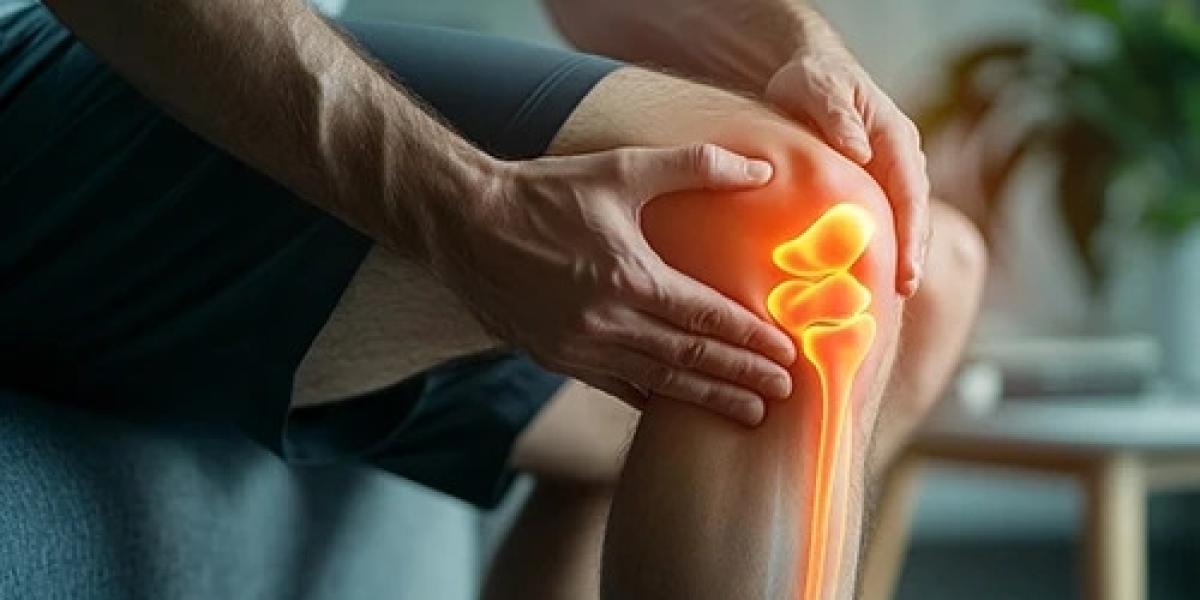
When a loved one struggles with severe knee pain, everyday activities can become increasingly difficult. Simple tasks such as walking, climbing stairs, or standing for extended periods may start affecting independence and overall quality of life. For many families, understanding available treatment options becomes an important part of helping their loved one regain mobility and confidence.
Today, total knee replacement surgery has evolved significantly compared to what it was years ago. Modern surgical approaches, advanced technology, and improved rehabilitation methods are helping patients recover more comfortably and return to daily activities sooner than many people expect.
As someone who has spoken with families navigating this journey, one common observation is that recovery experiences are becoming more positive because healthcare teams are focusing not only on the surgery itself but also on the patient's overall well-being before, during, and after treatment.
How Surgical Innovation Is Changing Recovery
Medical advancements have transformed many aspects of orthopedic care. Surgeons now have access to more precise tools and techniques that help improve accuracy during procedures.
Greater precision often means less disruption to surrounding tissues. This can contribute to reduced discomfort after surgery and support a smoother recovery process.
Families are often relieved to learn that modern approaches are designed to support both safety and long-term joint function while helping patients regain mobility with confidence.
Improved Surgical Planning
One of the biggest developments in recent years is detailed preoperative planning.
Advanced imaging technologies allow surgeons to better understand the patient's joint structure before entering the operating room. This preparation helps create a personalized surgical plan based on the individual's needs.
When surgical decisions are tailored to the patient, recovery pathways can often be more predictable and efficient.
Better Pain Management Strategies
Pain management has improved considerably over time.
Healthcare teams now use comprehensive approaches that may combine different methods to help manage discomfort while supporting early movement and rehabilitation.
For many patients, this means feeling more comfortable during the initial recovery period and being able to participate actively in physical therapy.
Earlier Mobilization and Rehabilitation
In the past, extended periods of bed rest were more common after orthopedic procedures.
Today, many rehabilitation programs encourage carefully supervised movement much earlier. Early mobilization can help maintain muscle strength, improve circulation, and support functional recovery.
Families often notice that patients gain confidence when they begin moving safely under professional guidance.
Factors Families Should Consider When Choosing a Hospital
Selecting the right healthcare facility is an important decision. Families can evaluate several factors that may influence the overall care experience.
Orthopedic Expertise
Look for hospitals with experienced orthopedic specialists who regularly manage knee replacement procedures and postoperative care.Comprehensive Rehabilitation Services
Access to physiotherapy and rehabilitation programs can play a significant role in recovery outcomes.Patient Safety Protocols
Strong infection prevention measures and established safety practices are essential components of quality care.Advanced Surgical Technology
Modern equipment and evidence-based treatment approaches may support greater surgical precision and recovery planning.Multidisciplinary Care Teams
Collaboration between surgeons, nurses, physiotherapists, and other healthcare professionals helps provide coordinated care.Patient Education and Communication
Clear explanations and ongoing support help families make informed decisions throughout the treatment journey.
The Importance of Personalized Recovery Plans
No two patients recover in exactly the same way.
Factors such as age, overall health, physical condition, and lifestyle can influence recovery timelines. This is why individualized rehabilitation plans have become an important part of modern orthopedic care.
Families often find reassurance in knowing that healthcare teams continuously monitor progress and adjust recovery plans based on the patient's specific needs.
During the recovery journey after total knee replacement surgery, personalized guidance can help patients gradually rebuild strength, improve flexibility, and return to activities that matter most to them.
Supporting a Loved One Through Recovery
Family involvement can make a meaningful difference during recovery.
Simple acts such as attending appointments, encouraging rehabilitation exercises, and helping create a safe home environment can provide valuable emotional support.
Many patients feel more motivated when family members understand the recovery process and celebrate small milestones along the way.
Recovery is not simply about healing a joint. It is also about restoring independence, confidence, and the ability to participate in everyday life.
Conclusion
Modern orthopedic care continues to advance, giving patients and families greater confidence in the recovery journey. Improved surgical planning, enhanced pain management strategies, early rehabilitation, and personalized treatment approaches are helping many individuals experience better outcomes and return to daily life with renewed mobility.
At Soundarapandian Bone and Joint Hospital(SBJH), we are committed to providing world-class healthcare with the warmth and compassion of a family-run institution. Guided by a tradition of care, our highly skilled Orthopaedic surgeons and our dedicated team work together to ensure that every patient receives personalised treatment. We combine the latest in cutting-edge technology with a deep sense of empathy and ethics, striving for excellence in orthopaedics while fostering a welcoming, supportive environment for all.
Frequently Asked Questions(FAQs)
How have modern surgical techniques improved knee replacement recovery?
Modern techniques focus on precision, tissue preservation, improved pain management, and personalized rehabilitation plans. These advancements can support a more comfortable and efficient recovery experience.
How long does recovery usually take after knee replacement surgery?
Recovery timelines vary depending on the individual's health, rehabilitation participation, and overall condition. Many patients continue improving for several months after surgery.
Is physical therapy important after knee replacement surgery?
Yes. Physical therapy helps improve strength, flexibility, mobility, and functional independence during recovery.
What should families do before surgery?
Families can help by understanding the treatment plan, preparing the home environment, arranging transportation, and supporting postoperative rehabilitation goals.
How can patients improve their recovery experience?
Following medical guidance, attending rehabilitation sessions, staying active within recommended limits, and maintaining regular follow-up appointments can contribute to successful recovery outcomes.