
Industrial processes require accurate, reliable, and efficient flow control systems to maintain smooth operations. Selecting the right valve automation solution in India is an important decision because it directly affects productivity, safety, maintenance requirements, and overall system performance.
With increasing automation needs across industries, businesses are moving away from manual valve operations and adopting automated solutions for better control. A suitable automation system depends on several factors, including valve type, operating conditions, application requirements, and control preferences.
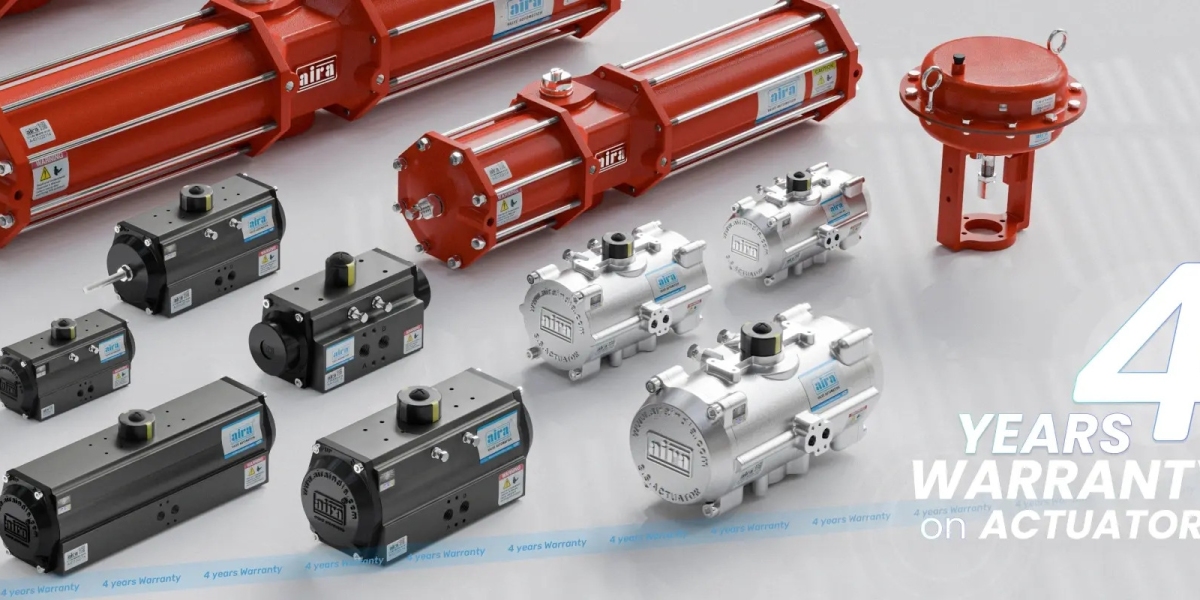
A pneumatic actuator is one of the most widely used solutions for valve automation because it provides fast, reliable, and efficient operation. However, choosing the correct automation system requires proper evaluation of your industrial requirements. This guide explains the key factors you should consider before selecting the right valve automation solution.
What Is Valve Automation?
Valve automation is the process of controlling valves automatically using devices such as actuators, control systems, and accessories instead of manual operation. Automated valves help regulate the movement of liquids, gases, and other materials within industrial systems.
A valve automation system generally includes:
Control valves
Actuators
Positioners
Solenoid valves
Monitoring and control accessories
By reducing manual involvement, automation allows you to achieve better process control, improve operational efficiency, and maintain consistent performance.
Understanding the Role of a Pneumatic Actuator
A pneumatic actuator is a mechanical device that uses compressed air to operate valves automatically. It converts air pressure into rotational or linear movement, allowing valves to open, close, or adjust flow according to system requirements.
Pneumatic actuators are commonly preferred in industrial applications because they offer:
Fast operating speed
Reliable performance
Simple installation
Low maintenance requirements
Long service life
When selecting a pneumatic actuator, you should consider factors such as valve size, required torque, operating pressure, and environmental conditions. Choosing the correct actuator ensures smooth valve operation and prevents unnecessary system issues.
Why Choosing the Right Valve Automation Solution Matters
The right valve automation solution helps improve the efficiency and reliability of industrial systems. However, selecting an unsuitable option can create problems such as:
Poor flow control
Increased maintenance costs
Reduced equipment performance
Frequent operational interruptions
A properly selected automation system allows you to improve safety, minimise manual effort, and maintain better control over industrial processes.
Factors to Consider When Selecting Valve Automation Solutions
1. Understand Your Application Requirements
Before choosing an automation system, you need to understand your specific application needs. Every industrial process has different operating conditions, so the solution should match your requirements.
Consider factors such as:
Type of fluid or gas being controlled
Operating environment
Frequency of valve operation
Required level of automation
Safety considerations
A clear understanding of your application helps you select the most suitable valve and actuator combination.
2. Select the Correct Actuator Type
The actuator is one of the most important parts of a valve automation system. Different actuators are designed for different operating requirements.
A pneumatic actuator is suitable for applications where quick and dependable valve movement is required. It works efficiently with compressed air systems and is widely used because of its simple design and reliable performance.
Other actuator options may include electric and hydraulic actuators, depending on factors such as control requirements, power availability, and operating conditions.
3. Check Valve Compatibility
The actuator and valve must work together correctly to ensure effective operation. Before selecting a solution, you should check:
Valve type
Valve size
Required operating torque
Connection specifications
Proper compatibility helps prevent operational problems and improves the overall lifespan of the system.
4. Consider Pressure and Temperature Conditions
Industrial systems often operate under different pressure and temperature levels. The selected valve automation solution must be capable of handling these conditions safely.
You should review:
Maximum operating pressure
Temperature range
Environmental exposure
System requirements
Choosing equipment that matches your operating conditions helps maintain reliability and reduces the chances of failure.
The Importance of Choosing Reliable Valves Manufacturers in India
Selecting experienced Valves Manufacturers in India is an important step when planning an automation system. Reliable manufacturers provide valves and automation components designed according to industrial requirements and quality standards.
Before selecting a manufacturer, you should consider:
Product quality
Manufacturing standards
Technical expertise
Product reliability
Customer support
A suitable manufacturer can help you identify the right valve automation solution based on your application needs.
Benefits of Valve Automation Systems
Improved Efficiency
Automated valves reduce manual operation and allow faster, more consistent process control.
Better Accuracy
Automation provides precise valve movement, helping maintain stable industrial operations.
Increased Safety
Automated systems reduce the need for manual handling in challenging environments.
Reduced Maintenance
A properly selected automation system can reduce wear and improve equipment lifespan.
Enhanced Productivity
Automation allows processes to run smoothly with fewer interruptions and better control.
Common Mistakes to Avoid When Choosing Valve Automation
When selecting a valve automation solution, avoid these common mistakes:
Choosing Only Based on Price
The lowest-cost option may not always provide the required performance or durability. Consider long-term value, reliability, and maintenance needs.
Ignoring Technical Requirements
Always check important specifications such as pressure rating, actuator torque, and valve compatibility.
Not Considering Future Needs
Choose a solution that can support future operational requirements and possible system upgrades.
How to Maintain Valve Automation Systems
Regular maintenance helps ensure reliable performance and extends equipment life.
You should:
Inspect valves and actuators regularly
Check pneumatic air supply quality
Monitor system performance
Identify leakage or operational issues early
Follow recommended maintenance practices
Preventive maintenance helps reduce unexpected downtime and improves overall system efficiency.
Final Thoughts
Choosing the right valve automation solution in India requires careful consideration of your application requirements, valve specifications, operating conditions, and automation needs.
A pneumatic actuator can provide reliable and efficient valve control when selected correctly, while working with experienced Valves Manufacturers in India helps ensure you receive suitable solutions for your industrial processes.
By evaluating your requirements properly and focusing on quality, compatibility, and long-term performance, you can select an automation system that supports safe, efficient, and reliable operations.