
A reliable camping tent is the foundation of every successful family camping trip. Whether you're spending a weekend at a campground or exploring the great outdoors for an extended vacation, the right tent provides shelter, comfort, and protection from the elements. Family camping tents are designed with spacious interiors, durable materials, and convenient features that make outdoor living more enjoyable for campers of all ages.
With so many options available, choosing the best family camping tent can seem overwhelming. Factors such as size, weather resistance, ease of setup, ventilation, and storage all play important roles in finding the ideal tent. This article explores the best types of camping tents for family adventures and highlights the features that matter most.
Cabin Tents
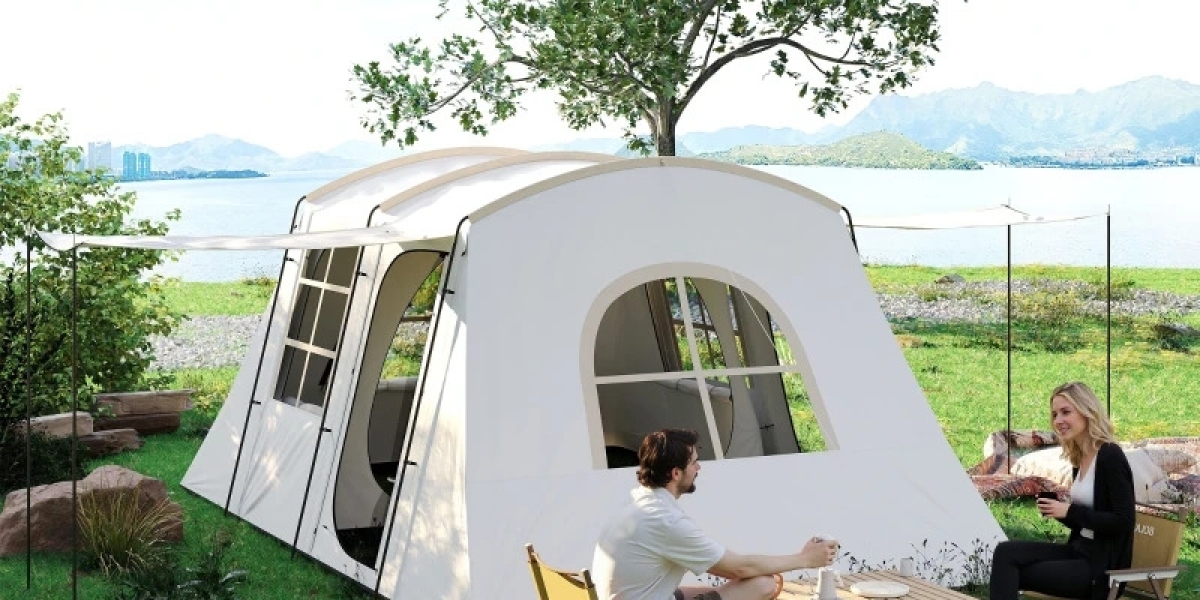
Cabin tents are among the most popular choices for family camping because of their spacious interiors and nearly vertical walls. Unlike traditional dome tents, cabin tents maximize headroom, allowing most adults to stand comfortably inside.
These tents often include multiple rooms, divider curtains, and large windows for improved ventilation. Families appreciate the extra living space for sleeping, changing clothes, and storing camping gear.
Cabin tents are ideal for campground camping where vehicle access makes transporting larger tents convenient.
Dome Tents
Dome tents remain a favorite due to their simple design and excellent stability. Their curved pole structure helps distribute wind pressure evenly, making them suitable for various weather conditions.
Modern family-sized dome tents can comfortably accommodate four to eight people while remaining relatively lightweight compared to larger cabin tents. Many models include vestibules that provide covered storage for shoes, backpacks, and other camping essentials.
Their quick setup makes them a practical option for families new to camping.
Instant Tents
Families looking to save time often choose instant tents. These tents feature pre-attached poles that allow setup in just a few minutes.
Instead of assembling individual poles, campers simply unfold the frame and extend the legs into position. This convenience is especially valuable when arriving at a campsite late in the day or during unexpected weather.
Although instant tents are generally heavier than traditional models, their ease of use makes them a favorite for weekend camping trips.
Tunnel Tents
Tunnel tents provide generous sleeping space through a series of flexible poles that create a long, open interior. They are particularly well suited for larger families who need multiple sleeping areas.
Many tunnel tents feature separate bedrooms connected by a spacious living area, creating a comfortable environment during rainy weather. Large doors and mesh windows also improve airflow throughout the tent.
Proper staking is essential because tunnel tents rely on tension for maximum stability.
Pop-Up Tents
Pop-up tents offer unmatched convenience for short camping trips. These tents automatically expand once removed from their storage bag, significantly reducing setup time.
While most pop-up tents are designed for smaller groups, several larger models can accommodate families of four or more. They work best in mild weather and are perfect for casual camping or festival use.
Learning how to fold them back into their storage bags may require a little practice.
Weather Resistance
Weather protection is one of the most important considerations when choosing a family camping tent. Look for tents with waterproof rainflies, sealed seams, durable floors, and sturdy frames capable of handling wind and rain.
A rainfly extends over the tent to prevent water from entering through the roof and windows. High-quality fabrics with waterproof coatings also improve performance during unexpected storms.
Families planning to camp frequently should prioritize tents built for three-season use.
Ventilation and Airflow
Good ventilation helps reduce condensation inside the tent and keeps campers comfortable during warm nights.
Mesh panels, ceiling vents, and large windows allow fresh air to circulate while keeping insects outside. Adjustable ventilation features are particularly useful because they can be opened or closed depending on the weather.
Proper airflow contributes significantly to overall sleeping comfort.
Interior Features
Modern family tents include numerous convenience features that improve the camping experience.
Useful interior features include:
- Storage pockets for personal items
- Gear lofts for flashlights and small accessories
- Electrical cord access ports
- Lantern hooks
- Room dividers for privacy
- Large doors for easier entry
These thoughtful additions help keep the interior organized and clutter-free.
Choosing the Right Size
Manufacturers often rate tents by the maximum number of sleeping occupants. However, selecting a tent slightly larger than your family size provides additional comfort.
For example, a family of four may find a six-person tent much more comfortable because it leaves room for luggage, sleeping pads, and movement inside the tent.
Considering both floor space and peak height ensures a more enjoyable camping experience.
Caring for Your Camping Tent
Proper maintenance helps extend the life of your tent.
- Dry the tent completely before storing it.
- Clean dirt and debris after each trip.
- Store the tent in a cool, dry location.
- Inspect poles, zippers, and seams regularly.
- Avoid prolonged exposure to direct sunlight when not in use.
Routine care keeps the fabric, waterproof coatings, and structural components in excellent condition.
Conclusion
The best camping tent for family camping combines spacious accommodations, dependable weather protection, and user-friendly features that make outdoor adventures enjoyable for everyone. Cabin tents offer exceptional comfort, dome tents provide versatility, instant tents simplify setup, and tunnel tents maximize living space for larger families. By selecting the right size, prioritizing weather resistance, and maintaining your tent properly, you'll create a reliable outdoor home that supports countless memorable camping trips.
Frequently Asked Questions
1. How long does it usually take to set up a family camping tent?
Depending on the design, setup can take anywhere from two minutes for instant tents to about 20 minutes for larger traditional tents.
2. Can family tents be used during winter camping?
Most family tents are designed for three-season use. Winter camping requires specialized four-season tents built to handle snow and extreme weather.