
Prepare Your Body for Pregnancy: A Complete Preconception Guide
Planning a baby is an exciting journey, but preparing for pregnancy should ideally begin before conception. The months before pregnancy give you an opportunity to improve your overall health, identify possible health concerns, and build habits that can support a healthy pregnancy.
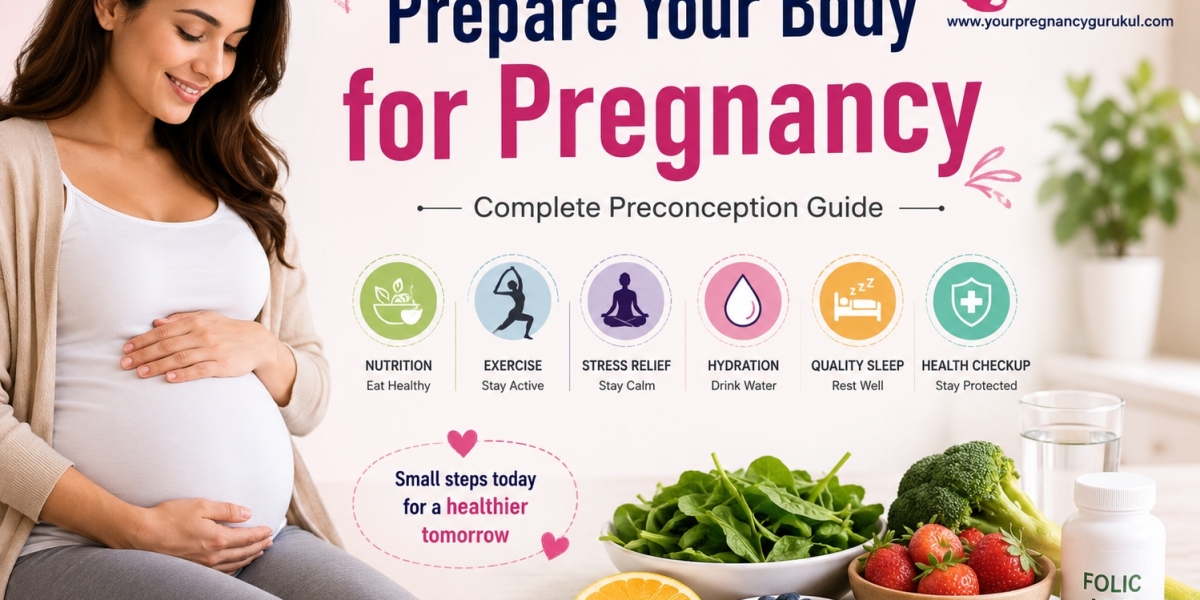
**Prepare Your Body for Pregnancy** by focusing on nutrition, physical activity, healthy weight, sleep, stress management, medical care, and avoiding harmful substances. Preconception preparation is not about achieving perfection; it is about making healthy and practical changes that can benefit both you and your future baby.
## Why Is Preconception Preparation Important?
Preconception care helps you understand your current health before pregnancy. Some health conditions, nutritional deficiencies, medications, and lifestyle factors may affect fertility or pregnancy outcomes.
A healthcare professional can review your medical history, medications, vaccinations, menstrual cycle, and any existing conditions. Conditions such as diabetes, thyroid disorders, high blood pressure, or PCOS may require appropriate management before conception.
Starting early also gives you time to develop sustainable habits rather than making sudden changes after discovering that you are pregnant.
## Schedule a Preconception Health Checkup
One of the first steps to **Prepare Your Body for Pregnancy** is scheduling a health consultation.
Depending on your individual circumstances, your healthcare provider may discuss:
* Medical and family history
* Blood pressure and general health
* Current medications and supplements
* Vaccination status
* Diabetes or thyroid concerns
* Menstrual and reproductive health
* Previous pregnancy history
* Recommended laboratory tests
Do not stop prescribed medicines on your own. Some medications may need to be changed before pregnancy, while others may be safe to continue under medical supervision.
## Start Folic Acid Before Conception
Folic acid is an important nutrient during the period before conception and early pregnancy. Adequate folic acid intake helps reduce the risk of neural tube defects in the developing baby.
For people who may become pregnant, healthcare professionals commonly recommend **400 micrograms of folic acid daily**, beginning at least one month before conception and continuing during early pregnancy. Some people may need a different dose based on their medical history, so personalized medical advice is important.
Foods containing folate include leafy green vegetables, beans, lentils, chickpeas, citrus fruits, and fortified foods. However, food alone may not provide the recommended amount, which is why a supplement is often advised.
## Focus on a Balanced Pregnancy-Friendly Diet
Good nutrition provides the foundation for a healthy pregnancy. Instead of following restrictive diets, focus on a balanced eating pattern containing different food groups.
Include plenty of vegetables and fruits for vitamins, minerals, and fiber. Choose whole grains such as oats, brown rice, quinoa, and whole-wheat products. Add protein sources such as eggs, beans, lentils, dairy products, poultry, and low-mercury fish.
Healthy fats from nuts, seeds, avocados, and suitable cooking oils can also be part of a balanced diet.
Iron, calcium, vitamin D, vitamin B12, iodine, zinc, omega-3 fatty acids, and choline are other nutrients that may be important before and during pregnancy. Discuss supplements with your healthcare provider rather than taking multiple products without guidance.
## Maintain a Healthy Weight
Both being underweight and having overweight or obesity can affect reproductive health and pregnancy. Reaching a healthy weight before conception may support regular ovulation and reduce the risk of certain pregnancy complications.
However, avoid crash diets or rapid weight-loss programs while preparing for pregnancy. A balanced diet and regular physical activity are generally more sustainable.
If weight management is a concern, consider speaking with a doctor or registered dietitian who can create an appropriate plan based on your individual needs.
## Stay Physically Active
Regular physical activity can help improve cardiovascular fitness, maintain a healthy weight, support mental well-being, and prepare your body for the physical demands of pregnancy.
Activities such as walking, swimming, cycling, strength exercises, stretching, and appropriate yoga can be included according to your fitness level.
If you already have a medical condition or are starting a new exercise program, discuss it with your healthcare provider. The goal is consistent, moderate activity rather than extreme workouts.
## Prioritize Sleep and Stress Management
Sleep and emotional well-being are important parts of preconception health. Try to maintain a regular sleep schedule and aim for adequate quality sleep each night.
Stress cannot always be eliminated, but healthy coping strategies can make it easier to manage. Meditation, deep breathing, gentle yoga, journaling, reading, relaxing walks, and spending time with supportive family members or friends may help.
If you experience persistent anxiety, low mood, or emotional difficulties, speaking with a qualified healthcare professional can be beneficial.
## Stop Smoking and Avoid Alcohol
Smoking can negatively affect fertility and pregnancy health. Vaping and exposure to tobacco smoke should also be avoided.
Alcohol is best avoided when trying to conceive because it can be difficult to know exactly when conception occurs. Recreational drugs should also be avoided.
If stopping smoking or another substance is difficult, seek professional support rather than trying to manage the process alone.
## Review Vaccinations and Medications
Some infections can create significant risks during pregnancy, while certain vaccines are best given before conception. Ask your healthcare provider whether your vaccinations are up to date.
Your doctor can also review all prescription medicines, over-the-counter products, herbal remedies, and supplements you use.
Never discontinue an important prescription medication without medical guidance. Your healthcare provider can determine whether it should be continued, changed, or stopped before conception.
## Understand Your Menstrual Cycle
Learning about your menstrual cycle can help you understand when ovulation may occur and identify your fertile window.
You can track your cycle dates and observe changes in cervical mucus. Some people also use ovulation predictor kits or fertility-tracking apps.
Remember that cycle length can vary, and these methods are not perfect. If your periods are consistently irregular or you have difficulty conceiving, discuss this with a healthcare professional.
## Your Partner Should Prepare Too
Pregnancy preparation is not only the woman's responsibility. Male reproductive health also contributes to conception.
Your partner can support healthy fertility by maintaining a balanced diet, exercising regularly, getting sufficient sleep, maintaining a healthy weight, avoiding smoking and recreational drugs, and limiting alcohol.
If there are concerns about fertility, a healthcare provider can recommend appropriate evaluation for both partners.
## What Foods and Habits Should You Limit?
While preparing for pregnancy, try to limit highly processed foods, excessive added sugar, trans fats, and excessive caffeine.
Once pregnant, food-safety precautions become particularly important. During the preconception period, it is useful to become familiar with recommendations regarding high-mercury fish, unpasteurized foods, and raw or undercooked animal products so that you are ready to follow appropriate precautions after conception.
Caffeine can usually be consumed in moderation. Many pregnancy guidelines recommend keeping caffeine intake below **200 mg per day** during pregnancy, and discussing your intake with your healthcare provider while trying to conceive can be helpful.
## Build a Healthy Preconception Routine
A simple routine can make preparation easier. Start the day with nutritious meals, remain physically active, drink enough fluids, take recommended supplements, and maintain a consistent sleep schedule.
Keep medical appointments, monitor any existing health conditions, and avoid harmful substances. Most importantly, do not feel pressured to make every change overnight. Small, consistent improvements can create healthier long-term habits.
## When Should You Start Preparing for Pregnancy?
Ideally, preconception preparation should begin several months before you start trying to conceive. However, even if you have already started trying, it is still worthwhile to improve your health and arrange a preconception consultation.
There is no single preparation plan that works for everyone. Age, medical history, medications, previous pregnancies, lifestyle, and nutritional needs can all influence the advice you receive.
## Final Thoughts
To **Prepare Your Body for Pregnancy**, focus on the fundamentals: balanced nutrition, recommended folic acid supplementation, regular physical activity, healthy weight, adequate sleep, stress management, medical checkups, vaccination review, and avoiding smoking, alcohol, and recreational drugs.
Preconception care is an opportunity to look after your own health while creating a strong foundation for your future pregnancy. Work with a qualified healthcare professional for personalized guidance, especially if you have an existing medical condition, take regular medication, or have concerns about fertility.
### Frequently Asked Questions
**1. When should I start preparing for pregnancy?**
Ideally, begin preconception preparation several months before trying to conceive. A healthcare consultation can help identify what changes are appropriate for you.
**2. Should I take folic acid before pregnancy?**
Yes. Folic acid is commonly recommended before conception and during early pregnancy. A healthcare professional can advise you on the appropriate dose.
**3. Can I exercise while preparing for pregnancy?**
Generally, regular moderate physical activity is beneficial. Choose activities appropriate for your fitness level and discuss new or intense exercise programs with your healthcare provider.
**4. Should my partner make lifestyle changes too?**
Yes. Healthy nutrition, exercise, adequate sleep, healthy weight, and avoiding smoking and recreational drugs can support overall reproductive health.
**5. Should I stop taking my medicines before trying to conceive?**
No. Never stop prescribed medication without consulting your healthcare provider. Your doctor can determine the safest approach before conception.