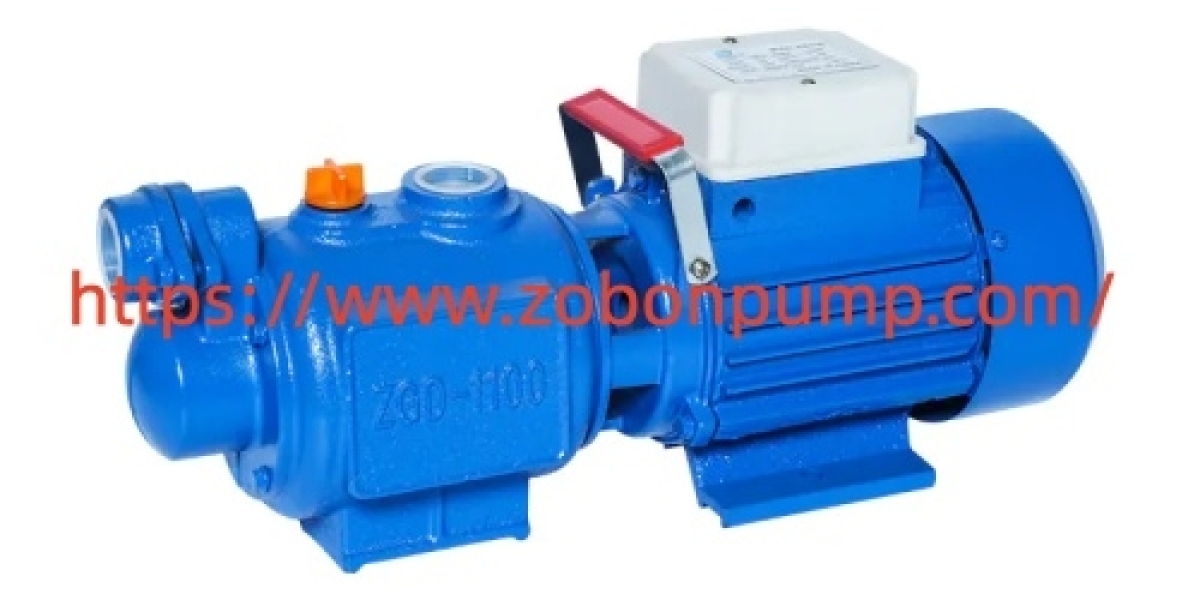

Water Pumps selection should begin with the actual requirements of the system rather than a single catalogue number. Flow and head work together to determine whether a configuration can meet the intended duty. A transfer system with a short pipe route may require a different setup from one moving water through long pipelines and several elevation changes. Current pump selection guidance recommends defining required flow, calculating total dynamic head, and checking the operating point against the manufacturers performance curve before making a selection.
Flow rate describes how much liquid needs to be moved during a specific period. Buyers should identify the normal requirement and consider whether demand changes during operation. A factory may use different volumes during production and cleaning. A building system may experience different demand during daytime and nighttime. An agricultural installation may operate several irrigation zones according to a schedule.
Using only a maximum estimated flow can make comparison less useful. The actual working range gives the manufacturer more information when reviewing a suitable configuration. If demand changes significantly, buyers should provide several operating points instead of one figure.
Head is equally important. It represents the energy required to move liquid through the system, including elevation differences and resistance from pipes, fittings, valves, filters, and other components. Total dynamic head generally combines static elevation, pressure requirements, and friction losses.
Elevation is usually straightforward to measure, but friction losses require more attention. A long pipeline can create more resistance than a short connection. Pipe diameter also matters because the same flow passing through different pipe sizes can produce different losses. Elbows, valves, filters, check valves, and other fittings add further resistance.
This means buyers should provide the manufacturer with as much piping information as possible. Useful details include pipe diameter, total length, number of fittings, elevation, discharge location, and any required outlet pressure. These details can help narrow the available configurations more effectively.
The relationship between flow and head can be viewed through a performance curve. A pump does not necessarily deliver one fixed flow under every installation condition. Its actual operating point is influenced by the interaction between its performance curve and the resistance curve of the system.
For example, a configuration that provides a certain flow at a low head may provide a different flow when the system requires greater head. Buyers should therefore avoid comparing products based only on a maximum flow figure or maximum head figure. What matters is whether the equipment can deliver the required combination under the intended operating conditions.
Liquid characteristics also deserve attention. Clean water, water containing sediment, and liquids with suspended particles can create different requirements. Temperature, density, viscosity, and chemical properties may affect materials, seals, motor selection, and other components.
For applications involving drainage or submerged installation, an Electric Submersible Pump Companies search may bring up different equipment categories and manufacturers. However, the product selection should still be based on the actual liquid condition, required flow, immersion depth, discharge route, and operating environment rather than a general product label.
Power requirements should be checked before ordering. Buyers should confirm available voltage, frequency, phase configuration, control requirements, cable arrangement, and installation conditions. These details can affect whether a particular motor configuration is suitable for the intended location.
Operating time is another factor that deserves attention. Equipment used for occasional transfer may face different requirements from equipment operating continuously for many hours. Expected duty cycles, starting frequency, ambient conditions, and maintenance access can all influence the configuration.
Maintenance planning should also be part of the purchasing conversation. Buyers can ask about inspection points, replacement components, service access, installation requirements, and routine cleaning. A clear maintenance plan can make equipment management easier after installation.
There is also value in comparing equipment according to the complete system rather than comparing isolated specifications. One unit may have a higher rated flow, while another may have a different performance range that corresponds more closely with the required operating point. Performance curves provide a practical way to make this comparison.
Zobonpump works with customers who need pumping equipment for different water handling applications. When buyers provide information about flow, head, pipe layout, elevation, liquid conditions, power supply, and operating schedule, the manufacturer can evaluate the application with greater clarity and discuss suitable configurations.
A useful purchasing process starts with the job itself. Determine how much liquid needs to move, identify the required head, review the pipe network, check the liquid characteristics, confirm the available power, and consider how the equipment will be operated. These steps can help buyers avoid selecting equipment from a single specification without considering the complete system.
For customers comparing pumping equipment for different flow and head requirements, Zobonpump provides product information for a range of water handling applications. Buyers can review available configurations at https://www.zobonpump.com/product/ then use their actual project conditions when discussing equipment requirements with the manufacturer.