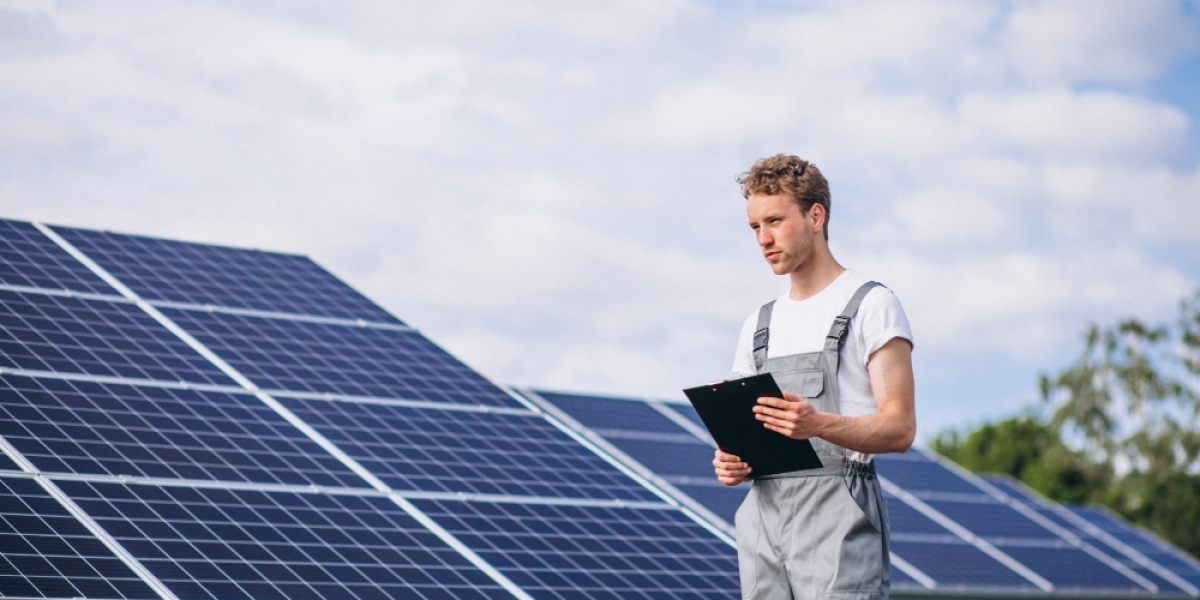

Switching to solar energy is an important decision for homeowners looking to make better use of renewable energy. Solar panels can generate electricity from sunlight, reduce reliance on the traditional power grid, and support a more energy-conscious lifestyle. However, choosing a solar system should involve more than simply selecting panels and arranging an installation.
Before investing in Solar Panels Victoria, it is worth taking time to understand your property, energy requirements, available sunlight, system size, equipment quality, and installation requirements. A little preparation can help you select a system that suits your home and delivers reliable performance over the long term.
1. Understand Your Home’s Energy Usage
The first step is understanding how much electricity your household actually uses. Look at your recent electricity bills and consider when your home consumes the most energy. Appliances such as air conditioners, heating systems, hot water systems, pool equipment, and electric vehicles can significantly influence daily consumption.
Understanding your energy habits makes it easier to determine what type and size of solar system may be suitable. A system designed around your actual electricity usage can help you make better use of the energy your panels generate.
2. Check Your Roof’s Condition and Orientation
Your roof plays an important role in solar performance. Before installation, check its condition, available space, orientation, pitch, and potential shading. Roofs exposed to strong sunlight for much of the day are generally more suitable for solar generation.
Trees, neighbouring buildings, chimneys, and other structures can cast shadows across panels and affect electricity generation. It is also sensible to consider whether your roof may require repairs or maintenance before installation, as addressing these issues beforehand can make the overall process easier.
3. Consider Victoria’s Weather Conditions
Victoria experiences a range of weather conditions throughout the year, including sunny summer days, cloudy periods, strong winds, and seasonal temperature changes. Solar panels continue to generate electricity during daylight hours when conditions are less than perfectly sunny, although generation can vary.
Choosing quality equipment designed for outdoor conditions is important. Proper installation and secure mounting can also help ensure the system remains dependable through changing weather conditions.
4. Choose the Right Solar System Size
Bigger does not always mean better when selecting a solar system. The appropriate size depends on household electricity consumption, available roof space, daytime energy usage, and future plans.
For example, a household planning to purchase an electric vehicle or switch to electric appliances may have different energy requirements in the future. Considering these changes before installation can help avoid selecting a system that does not adequately meet your longer-term needs.
5. Pay Attention to Panel and Inverter Quality
Solar panels and inverters are essential components of a solar power system, so equipment quality matters. Panels capture sunlight and convert it into electrical energy, while the inverter converts the electricity into a form that can be used within your home.
When comparing systems, consider product specifications, warranties, efficiency, durability, and manufacturer reputation. Looking beyond the initial purchase decision and considering expected performance over many years can help you make a more informed choice.
6. Think About Your Future Energy Needs
Your electricity requirements may change over time. A growing family, working from home, an electric vehicle, a heat pump, or other electrical appliances can increase household consumption.
It is therefore useful to think beyond your current electricity bill. Planning for future energy needs may influence the system size, inverter selection, and whether battery storage could eventually be appropriate. A flexible approach can make your solar investment more useful as your household changes.
7. Make Sure the Installation Is Properly Planned
A high-quality solar system still needs professional installation to perform effectively. The installation process should consider roof structure, panel placement, electrical requirements, safety, wiring, and local regulations.
Before proceeding, make sure you understand what the installation involves and what documentation, approvals, warranties, and ongoing support are provided. Clear communication throughout the process can also help prevent unexpected issues later.
Make an Informed Solar Decision
Installing solar panels is a long-term decision that deserves careful planning. From evaluating your roof and electricity usage to considering equipment quality and future energy requirements, each factor can influence the overall performance of your system.
Taking the time to assess these considerations before installation can help you choose a solar solution that fits your property, lifestyle, and energy goals. With thoughtful planning and suitable equipment, solar power can become a practical part of a more efficient and sustainable home.