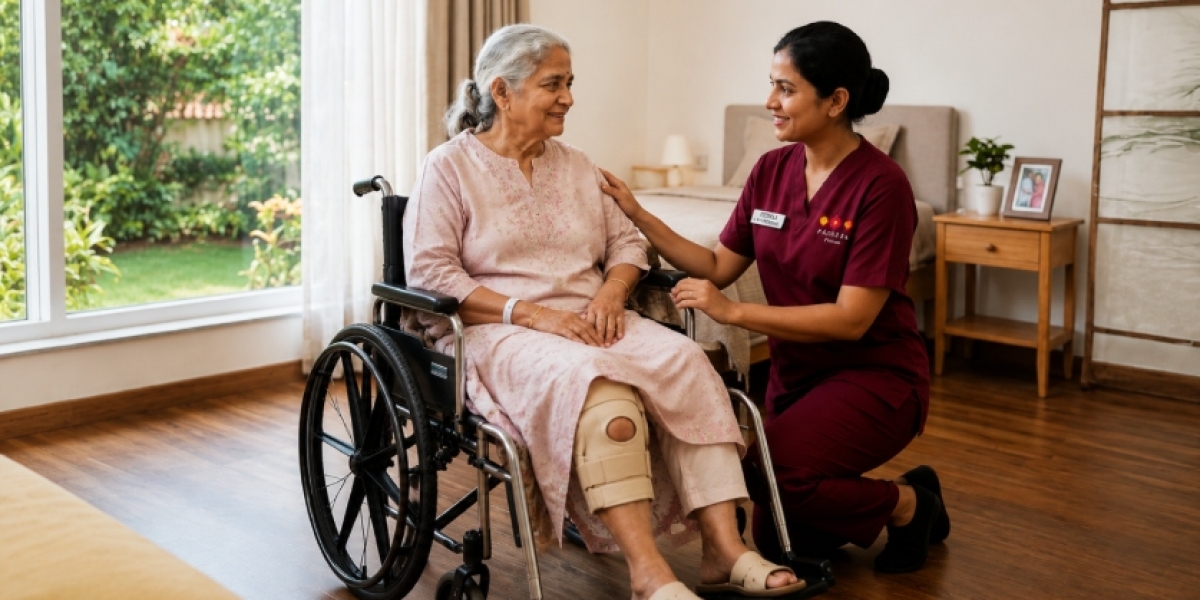

As we grow older, some changes in strength, balance, memory and mobility are natural. However, when an older adult is living with a neurological disorder, these changes can become more noticeable and may affect everyday life.
Simple activities such as getting out of bed, walking to the bathroom, eating, dressing or climbing a few steps may become difficult. This gradual loss of physical or mental ability is known as functional decline.
Conditions such as stroke, Parkinson’s disease, dementia, multiple sclerosis, spinal cord injuries and other neurological disorders can increase the risk of functional decline in older adults. With timely treatment, neurological rehabilitation and the right support, many older adults can improve their mobility, strength and independence.
What Is Functional Decline in Older Adults?
Functional decline means a person gradually loses the ability to perform everyday activities independently.
For an older adult with a neurological condition, functional decline may affect:
Walking and moving around
Maintaining balance
Getting in and out of bed or a chair
Eating and drinking
Bathing and dressing
Speaking or communicating
Remembering daily tasks
Managing personal care
Performing household activities
The extent of decline can be different for every person. Some may mainly have difficulty walking, while others may experience changes in speech, memory, swallowing or coordination.
Why Do Neurological Disorders Cause Functional Decline?
The brain, spinal cord and nerves control how we move, think, communicate and perform everyday activities. When a neurological disorder affects these systems, normal body functions can also be affected.
For example, a stroke may cause weakness or paralysis on one side of the body. Parkinson’s disease can lead to slow movements, stiffness and balance problems. Dementia can affect memory, judgement and the ability to manage daily activities.
Ageing can sometimes add to these challenges. Reduced muscle strength, poor balance, vision problems and lack of physical activity may make it harder for an older adult to remain independent.
This is why early assessment and appropriate neuro rehabilitation are important.
Common Neurological Conditions That Can Lead to Functional Decline
Stroke
Stroke is one of the common causes of long-term disability in older adults. After a stroke, a person may experience weakness, difficulty walking, problems with balance or changes in speech and swallowing.
Stroke rehabilitation focuses on improving movement, strength, balance and the ability to perform daily activities.
Parkinson’s Disease
Parkinson’s disease can cause stiffness, tremors, slow movements and difficulty with balance. Over time, these symptoms can make routine activities more challenging.
Physiotherapy, movement training and occupational therapy can help older adults maintain their mobility and independence for as long as possible.
Dementia
Dementia does not only affect memory. As the condition progresses, a person may have difficulty communicating, eating, dressing or managing personal care.
A safe environment, structured daily routine and appropriate dementia care can help reduce confusion and support daily functioning.
Spinal Cord and Brain Injuries
Spinal cord injuries and traumatic brain injuries can affect movement, coordination, balance and cognitive abilities. Recovery may require a structured rehabilitation programme based on the person's condition and goals.
Signs of Functional Decline to Look Out For
Functional decline can sometimes happen slowly, making it difficult for families to notice the changes initially.
Some common signs include:
Walking more slowly or becoming unsteady
Frequent falls or fear of falling
Needing help with bathing or dressing
Difficulty getting up from a chair
Reduced participation in daily activities
Increased dependence on family members
Difficulty eating or swallowing
Changes in speech or communication
Forgetting routine tasks
Spending more time in bed or sitting
Loss of interest in social activities
These changes should not simply be considered a normal part of ageing. A medical and rehabilitation assessment can help identify the underlying cause and determine what support is needed.
How Can Neurological Rehabilitation Help?
Neurological rehabilitation aims to help a person improve function and manage the challenges caused by a neurological condition.
The rehabilitation plan depends on the person's condition, medical history, current abilities and recovery goals.
Physiotherapy
Physiotherapy plays an important role in neurological rehabilitation. Exercises may focus on improving muscle strength, flexibility, balance, coordination and walking ability.
For someone recovering from a stroke, therapy may include gait training, balance exercises and exercises to improve the use of the affected side.