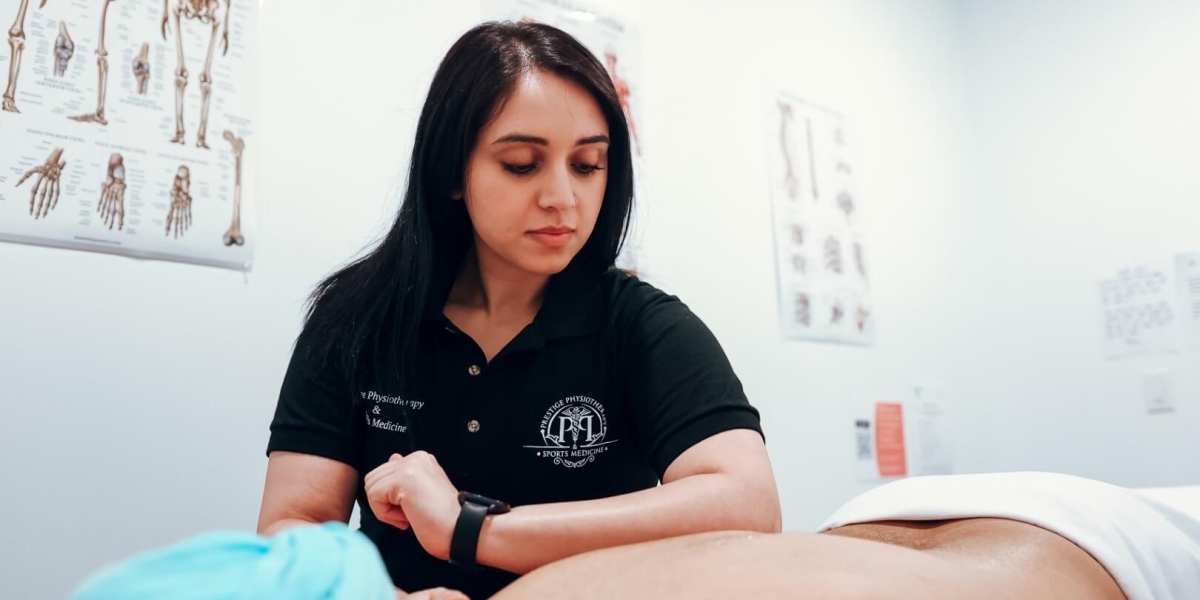

Finding the best registered massage therapist involves more than selecting a clinic with a convenient location or choosing the first highly rated professional online. Massage therapy is a hands-on healthcare service, so the therapist's education, professional registration, experience, communication skills, and approach to assessment all deserve consideration. The right therapist should understand your goals and use techniques that are appropriate for your individual needs.
When searching for the best registered massage therapist, it is also important to understand what you should expect before, during, and after treatment. Whether you are seeking massage therapy for muscle tension, physical activity, stress, mobility concerns, or general wellness, knowing how to evaluate a practitioner can help you make a better-informed decision.
What Does a Registered Massage Therapist Do?
A registered massage therapist is trained to assess and treat soft tissues of the body using manual techniques. Depending on the therapist's training and professional scope, treatment may include techniques involving muscles, connective tissues, joints, and related structures.
Massage therapy can be used for different purposes. Some people seek treatment for muscular discomfort or stiffness, while others use it as part of a broader wellness or physical recovery routine. The treatment plan should reflect the individual's condition, goals, and response to therapy.
Why Registration Is Important
Professional registration provides an important level of assurance that a practitioner has met applicable education and professional requirements. Registration standards vary by location, so clients should check the relevant regulatory body in their area.
If you plan to submit massage therapy expenses to an insurance provider, confirm whether your plan requires treatment from a registered practitioner. Some insurers have specific requirements for eligible services and receipts.
How to Find the Best Registered Massage Therapist
There is no universal definition of the "best" therapist. A practitioner who is highly suitable for one person may not have the experience or treatment approach another person needs.
Check Qualifications and Professional Status
Start by confirming that the therapist has appropriate professional credentials. Depending on your location, this may involve checking registration with the applicable regulatory organization.
A professional therapist should also be comfortable explaining their education, experience, and areas of practice. Be cautious if basic questions about qualifications are avoided or answered vaguely.
Look at Relevant Experience
Experience matters most when it relates to your specific reason for seeking treatment. For example, someone who regularly works with active clients may have different experience from someone whose practice focuses mainly on relaxation and general wellness.
Ask whether the therapist has worked with concerns similar to yours. This gives you more useful information than simply looking at the number of years they have been practicing.
Consider the Initial Consultation
An effective appointment should begin with an appropriate discussion of your concerns. The therapist may ask about symptoms, previous injuries, physical activities, work habits, health history, and your goals for treatment.
This information helps the practitioner determine which areas to address and which techniques may be appropriate.
Signs of a Professional Massage Therapist
Several qualities can help distinguish a responsible practitioner.
Clear Communication
A good therapist should explain the treatment process in language you can understand. They should also encourage you to communicate about pressure, discomfort, positioning, or any other concern during the session.
Communication should continue throughout the treatment rather than being limited to the first appointment.
Respect for Consent and Boundaries
Professional massage therapy requires appropriate consent and respect for personal boundaries. The therapist should explain relevant procedures and provide suitable draping and positioning.
You should feel comfortable asking questions or requesting changes during treatment.
Individualized Treatment
A standardized massage may not be suitable for every client. A professional therapist considers your symptoms, goals, physical activity, previous treatment experiences, and response to pressure.
Treatment may also change from one appointment to another depending on your condition.
Common Massage Therapy Approaches
Different massage techniques can serve different purposes. Your therapist can explain which methods are suitable for your goals.
Therapeutic Massage
Therapeutic massage generally focuses on specific areas of muscular tension or discomfort. Techniques may be adjusted throughout the session according to how your body responds.
Deep Tissue Massage
Deep tissue techniques use more focused pressure on selected tissues. However, stronger pressure does not automatically mean better treatment. Excessive pressure can cause unnecessary soreness, particularly when the technique is not appropriate for the individual.
Sports Massage
Sports-focused massage may be useful for people who participate in regular physical activity. Depending on the timing of treatment, the session may focus on recovery, mobility, or preparation for activity.
Relaxation Massage
Relaxation massage generally uses comfortable, flowing techniques designed to encourage relaxation and reduce everyday muscular tension.
The best registered massage therapist will not rely on one technique for every client. Instead, treatment should be selected according to the person's needs.
Practical Benefits of Choosing the Right Therapist
Personalized Care
A therapist who understands your goals can tailor treatment to the areas and techniques most relevant to you. This can make appointments more focused and useful.
Better Treatment Communication
Regular communication helps you and the therapist identify what is working and what may need adjustment. For example, if a particular technique leaves you excessively sore, the therapist can modify pressure or approach during future sessions.
Support for Long-Term Wellness
Massage therapy can be one part of a broader approach to physical well-being. Depending on your circumstances, your therapist may discuss stretching, movement habits, posture, activity levels, or other practical considerations.
Massage therapy should not replace medical assessment when symptoms require evaluation by another healthcare professional.
Questions to Ask Before Booking
Before scheduling an appointment, consider asking:
Are you currently registered with the appropriate professional organization?
What type of massage therapy do you specialize in?
Do you have experience with my particular concern?
What can I expect during the first appointment?
How do you determine which techniques to use?
Do you provide receipts for insurance purposes?
What should I do if treatment causes significant discomfort?
A therapist who provides clear, professional answers can make the decision process easier.
Common Challenges and Considerations
Online Reviews Can Be Limited
Online reviews may provide useful insight into customer service, appointment experiences, and general satisfaction. However, reviews should not be treated as proof that a particular therapist is appropriate for your individual condition.
Look at reviews alongside qualifications, experience, treatment approach, and your own requirements.
Results Can Vary
Massage therapy does not produce identical results for everyone. Factors such as the reason for treatment, activity level, duration of symptoms, treatment frequency, and individual response can affect outcomes.
A responsible practitioner should avoid guaranteeing that massage therapy will cure every condition.
Price Is Only One Factor
Cost can be important, but the cheapest service is not necessarily the best value. Consider professional credentials, experience, treatment quality, appointment length, location, communication, and insurance eligibility when comparing options.
Some Situations Require Medical Advice
Massage therapy may not be appropriate in every situation. If you have unexplained severe pain, significant swelling, sudden weakness, serious injury, or other concerning symptoms, seek appropriate medical evaluation before relying on massage treatment.
A responsible therapist should recognize when referral to another healthcare professional is appropriate.
FAQs
1. How can I identify the best registered massage therapist?
Check professional registration, relevant experience, treatment methods, communication style, and client feedback. Most importantly, choose a therapist whose experience matches your specific goals.
2. Should I choose a massage therapist based on online ratings?
Ratings can be helpful, but they should not be the deciding factor. Consider credentials, experience, treatment approach, and whether the therapist is suitable for your particular needs.
3. What should I expect during my first appointment?
The therapist will typically ask about your concerns, goals, health history, and relevant physical factors. They may assess movement or areas of tension before developing a treatment approach.
4. Does a good massage have to be painful?
No. Pain is not a reliable measure of treatment quality. Appropriate pressure depends on the technique, treatment objective, body area, and individual tolerance. You should communicate with your therapist if pressure becomes uncomfortable.
5. How frequently should I receive massage therapy?
There is no single schedule that works for everyone. Frequency depends on your goals, response to treatment, physical activity, and the therapist's recommendations. Your schedule can be adjusted as your needs change.
Conclusion
Choosing the best registered massage therapist requires careful consideration rather than relying on price, location, or online ratings alone. Professional credentials, relevant experience, thorough assessment, clear communication, informed consent, and individualized treatment are important indicators of quality care.
Before booking, take time to discuss your goals and ask practical questions about the therapist's experience and treatment methods. A qualified professional should provide realistic information, respect your boundaries, and recognize when another healthcare provider may be more appropriate. With the right approach, you can select a registered massage therapist who is well suited to your needs and expectations.