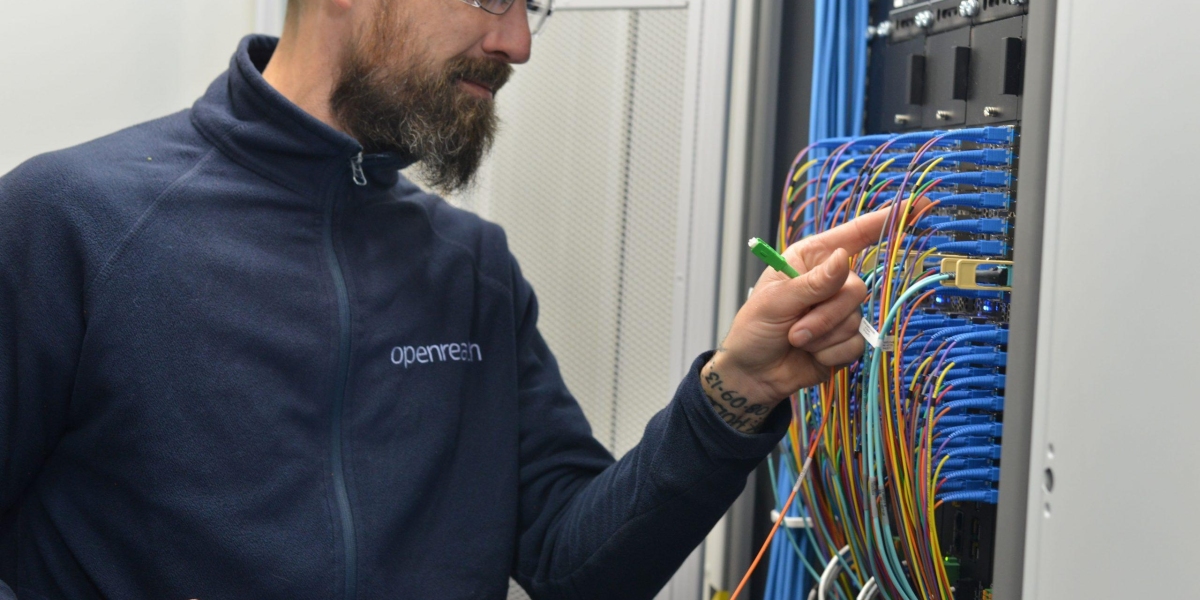

Broadband and fixed-line providers operate in an increasingly demanding environment. Customers depend on reliable internet connectivity for remote work, education, entertainment, cloud applications, and business operations. As expectations for speed and service reliability increase, providers need efficient processes that support customers throughout the service lifecycle.
Broadband customer support services play an important role in managing this experience. From installation and activation to technical troubleshooting and ongoing account assistance, structured support processes can help providers improve service consistency while reducing operational challenges.
Managing the Modern Broadband Customer Journey
The broadband customer journey involves several stages. Customers may require assistance when selecting a service, scheduling installation, configuring equipment, activating their connection, or resolving technical issues.
A structured support framework helps ensure that each interaction is handled consistently. Clear workflows allow customer service teams, technical specialists, and field operations to coordinate more effectively.
This approach can reduce unnecessary delays while providing customers with clearer communication throughout the service lifecycle.
Improving Broadband Activation and Provisioning
Service activation is a critical stage in the broadband experience. Delays involving installation appointments, equipment configuration, network provisioning, or account setup can create frustration for new customers.
Efficient broadband activation and provisioning processes help providers coordinate these activities more effectively. Standardized procedures can improve order accuracy, reduce activation errors, and help customers begin using their services sooner.
For fiber and fixed-line services, accurate coordination between back-office teams and field technicians is especially important.
Supporting Multiple Broadband Technologies
Modern broadband providers may operate across fiber, DSL, cable, IPTV, and VoIP environments. Each technology can create different technical requirements and customer support needs.
Support teams therefore need appropriate knowledge and troubleshooting procedures. A structured broadband technical support model enables representatives to address common connectivity problems while escalating more complex issues to specialized technical resources.
Clear escalation procedures also help prevent customers from repeatedly explaining the same issue to different teams.
Strengthening Technical Troubleshooting
Slow speeds, intermittent connectivity, modem problems, Wi-Fi issues, IPTV interruptions, and VoIP quality concerns are common reasons customers contact broadband providers.
Consistent diagnostic processes help support teams identify potential causes more efficiently. Knowledge bases and troubleshooting guides can also help representatives provide accurate instructions for common problems.
When an issue requires advanced technical intervention, structured escalation ensures that relevant information is transferred to the appropriate technical team.
Creating Consistent Omnichannel Experiences
Broadband customers increasingly use multiple channels to communicate with their providers. Phone, chat, email, messaging, and digital self-service can all form part of the support experience.
An effective omnichannel broadband support approach helps maintain continuity between these channels. Customer information and interaction history can be shared across support teams, reducing the need for customers to repeat information.
This creates a more convenient experience while helping providers manage customer interactions more efficiently.
Using Technology to Improve Broadband Support
Technology is transforming broadband support operations. AI-assisted diagnostics, workflow automation, knowledge management, predictive monitoring, and real-time network information can help teams respond to customer issues more efficiently.
Automation can assist with ticket routing, outage notifications, appointment updates, and routine service requests. However, experienced professionals remain important for complex troubleshooting and customer situations that require human judgment.
Combining technology with skilled support teams creates a balanced operating model that supports both efficiency and service quality.
Measuring Broadband Support Performance
Continuous measurement helps providers understand the effectiveness of their support operations. Important metrics can reveal where processes are working well and where improvements may be needed.
Common performance indicators include:
First Contact Resolution (FCR)
Mean Time to Resolution (MTTR)
Customer Satisfaction (CSAT)
Average Handle Time (AHT)
Service Availability
Activation Success Rate
Regular analysis of these measurements helps providers improve workflows and identify recurring operational issues.
Building More Reliable Broadband Experiences
As fiber deployments, higher-speed services, IPTV, VoIP, and next-generation connectivity continue to expand, broadband providers need support models that can adapt to increasing complexity.
Well-designed broadband customer support services help organizations improve activation, technical assistance, customer communication, and service assurance throughout the subscriber lifecycle.
By combining standardized processes, skilled professionals, intelligent technology, and continuous performance improvement, providers can create more reliable customer experiences. Organizations seeking broader operational capabilities can also explore telecom customer care solutions, supporting customer engagement, technical assistance, and service delivery across modern broadband and fixed-line environments.