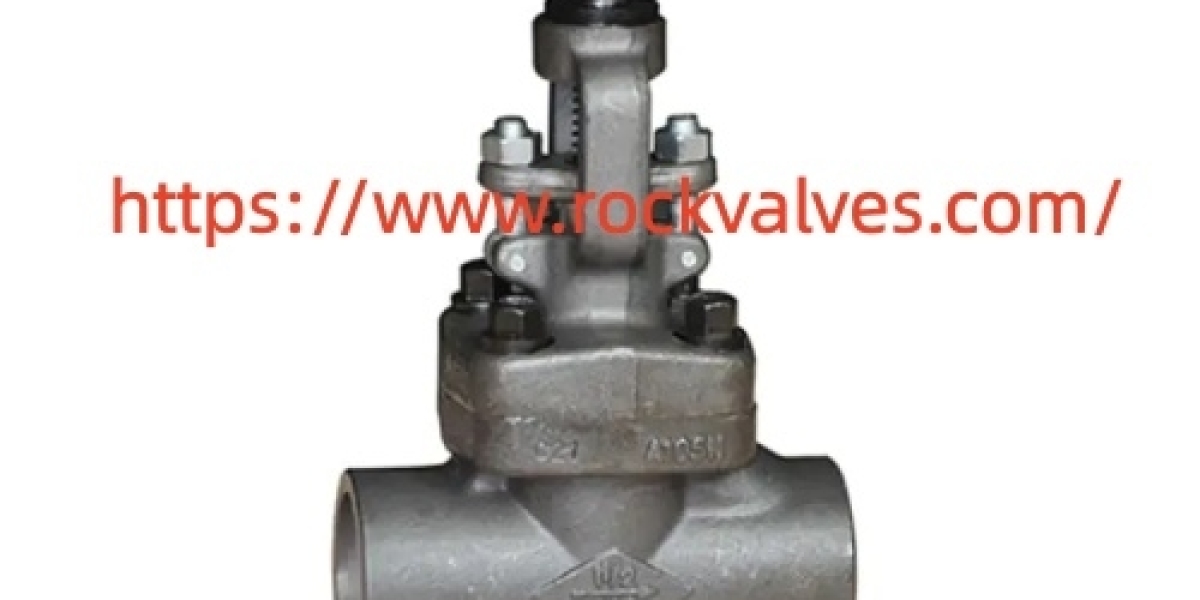

Cast Steel Gate Valve for Power Plant selection requires careful attention to pressure, temperature, material compatibility, connection design, operating conditions, and project specifications. In power generation facilities, a valve may be installed in steam, feedwater, cooling, or auxiliary piping, so its configuration needs to correspond with the actual service rather than a general application label.
The first point buyers should review is the operating condition. Design pressure and design temperature provide the foundation for selecting a suitable pressure class and material combination. ASME B16.34 covers pressure temperature ratings, dimensions, materials, testing, marking, and other requirements for covered steel valves. Its pressure temperature tables connect material groups and pressure classes with service temperature, which means buyers should review the rating at the intended operating temperature rather than relying only on a nominal class.
Material selection deserves similar attention. Power plant piping can involve hot water, steam, condensate, feedwater, or other media, with each service creating different demands. The body, bonnet, gate, stem, seats, and other components should be reviewed according to the medium and temperature. API 600, for example, provides material requirements for steel gate valves and references ASME B16.34 material groups for body and bonnet selection.
Connection type is another practical purchasing point. Depending on the piping design, buyers may need flanged ends or welding ends. The choice can affect installation procedures, maintenance access, dimensional coordination, and connection with existing equipment. ASME B16.34 specifically addresses flanged, threaded, and welding end valves, together with relevant dimensional and testing requirements.
Size should also be confirmed against the actual piping arrangement. A larger nominal size does not automatically mean that a valve will suit the system. Engineers should compare the valve size with the pipe diameter, flow requirements, pressure drop considerations, installation space, and surrounding equipment. Dimensional drawings can be useful during the design review because they help confirm whether the selected configuration will fit the planned location.
Another detail worth checking is the operating method. Some plant valves are manually operated, while others may require gear operators, electric actuators, pneumatic equipment, or other operating arrangements. The decision depends on location, accessibility, control requirements, valve size, and plant procedures. Buyers should confirm the operating arrangement before production so that the valve and actuator interface can be coordinated correctly.
Inspection and testing should also be discussed during procurement. Depending on the project specification, customers may require pressure testing, material documentation, dimensional inspection, nondestructive examination, marking, or other records. ASME B16.34 includes requirements related to nondestructive examination, testing, and marking, while project specifications may introduce additional requirements.
Documentation can make a significant difference during installation and project acceptance. Buyers may request drawings, technical data sheets, material information, inspection records, test reports, and other documents. Confirming these requirements before manufacturing can help reduce communication gaps between the manufacturer, EPC contractor, purchasing team, and plant operator.
Maintenance conditions should not be overlooked either. A valve may need inspection or servicing during scheduled shutdowns. Buyers can consider access around the valve, bonnet arrangement, operating clearance, replacement requirements, and availability of relevant components. Planning these details early can make future maintenance work easier to organize.
For a manufacturer, understanding the application before production is important. Rockvalves can communicate with industrial customers about size, pressure class, materials, connection arrangements, operating methods, and project documentation. Clear specifications allow the production team to work from defined requirements instead of assumptions.
A useful purchasing process therefore begins with the plant system and works toward the valve configuration. Buyers can prepare the operating medium, pressure, temperature, pipe size, connection type, material requirements, operating method, applicable standards, inspection requirements, and documentation needs before requesting a quotation. This gives manufacturers a clearer technical reference and helps customers compare suitable configurations.
For power generation projects requiring carefully specified flow control equipment, buyers can review available valve solutions and product information from Rockvalves at https://www.rockvalves.com/product/ Matching the configuration with actual plant conditions, project standards, installation requirements, and maintenance plans can create a more practical foundation for procurement and long term equipment management.