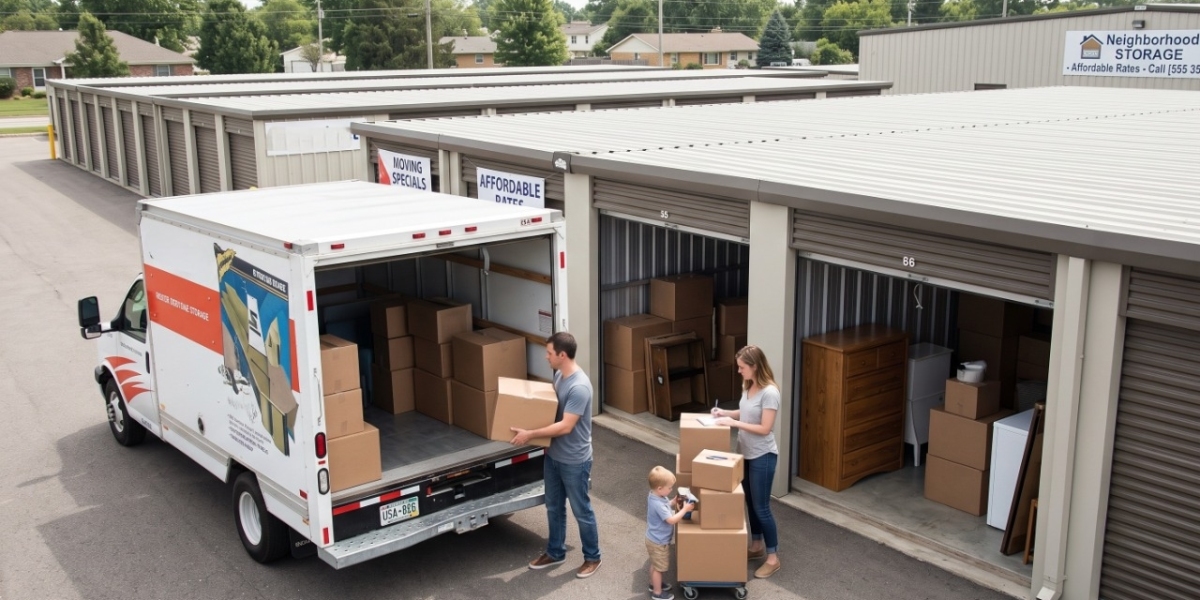

Moving can be exciting, but it can also put pressure on your budget. Between transportation, packing supplies, labor, deposits, and other moving expenses, costs can add up quickly. Storage is another expense that many people don't plan for until they suddenly need somewhere to keep their belongings.
Fortunately, finding affordable storage during a move doesn't have to be complicated. With a little research and careful planning, you can choose a storage solution that fits both your needs and your budget.
The key is to start early. When you wait until the last minute, you may have fewer choices and less negotiating power. On the other hand, early planning gives you time to compare prices, measure your belongings, ask questions, and choose a storage facility that makes sense for your situation.
The following ten practical tips can help you find affordable storage without sacrificing convenience or security.
1. Determine How Much Storage You Need
One of the easiest ways to overspend on storage is to rent more space than you actually need. Storage facilities commonly offer several unit sizes, and the price can increase substantially as the unit gets larger.
Before contacting storage providers, make a rough inventory of everything you plan to store. Separate your belongings into categories such as furniture, appliances, boxes, seasonal items, documents, and miscellaneous possessions.
For example, a small collection of boxes may fit into a compact unit, while a complete household with sofas, beds, tables, appliances, and dozens of boxes will require considerably more room.
Create a Simple Inventory
Walk through each room and write down what will go into storage. You don't need a perfect spreadsheet. A simple list can be enough.
Consider:
- Number of moving boxes
- Beds and mattresses
- Sofas and chairs
- Tables and desks
- Appliances
- Bicycles or outdoor equipment
- Seasonal decorations
- Business inventory
- Large or unusual items
Once you know what you have, ask storage companies about the unit size they recommend.
Don't Pay for Empty Space
It can be tempting to choose a larger unit "just in case." However, unused storage space still costs money every month.
A better approach is to pack efficiently and select the smallest practical unit that can safely hold your belongings.
You should also think about how often you'll need access. If you need to retrieve items regularly, leave enough walking space between sections rather than packing everything tightly against the walls.
2. Compare Self Storage Unit Companies
Not all self storage unit companies charge the same rates or provide the same services. That's why comparing several providers is one of the most effective ways to control your moving budget.
When comparing facilities, look beyond the headline price. Ask each company for the total estimated cost for your expected rental period.
Important questions include:
- What's the monthly rental price?
- Is there an administration fee?
- Is a security deposit required?
- Is insurance included?
- Are there access fees?
- Is there a minimum rental period?
- How much notice is required before moving out?
- Are there promotional rates that increase later?
- Are locks provided?
- Is climate control available?
- Are there late payment charges?
Two facilities might advertise similar monthly prices but have very different total costs.
3. Set a Realistic Storage Budget
Your storage budget should be part of your overall moving budget. Don't treat storage as an unexpected expense.
Start by estimating how long you'll need the unit. For example, your needs could be very different if you're storing furniture for two weeks compared with storing household items for six months.
Calculate:
Monthly storage cost × number of months = estimated rental cost
Then add other expected expenses such as:
- Storage insurance
- Moving labor
- Transportation
- Packing materials
- Lock
- Administrative fees
- Delivery or pickup fees
- Climate-control upgrades
This gives you a more realistic picture.
Leave Room for Unexpected Costs
It's smart to keep a small financial cushion. Your move might take longer than expected because of a delayed home closing, renovation, job change, or travel issue.
If your storage budget is already stretched to the limit, even a small delay can become stressful.
A practical rule is to avoid choosing a storage option that only works if everything goes perfectly. A little flexibility can save you from making rushed decisions later.
4. Choose the Right Storage Unit Size
Unit size is one of the biggest factors affecting storage costs. Selecting the correct size can help you avoid paying for unnecessary space.
Storage facilities may offer units ranging from small locker-style spaces to large units capable of holding the contents of an entire home.
Estimate Before You Rent
You can estimate your storage requirements by grouping similar items together. Place boxes in one category, furniture in another, and oversized items separately.
If possible, measure large furniture pieces. This will make it easier to discuss your needs with a storage provider.
Don't forget about vertical space. Many storage units have considerable height, so sturdy boxes can sometimes be stacked safely.
However, don't stack items in a way that could cause them to fall or become inaccessible.
Think About Accessibility
A slightly larger unit may be worthwhile if it allows you to create a walkway. If you're going to visit the unit frequently, saving a few dollars by cramming everything inside may not be worth the frustration.
Affordable storage should still be practical.
5. Compare Short-Term and Long-Term Rates
The length of your rental can significantly affect the overall price.
If you're storing items for only a few weeks, look for flexible short-term arrangements. If you know you'll need storage for several months, ask whether the provider offers long-term pricing.
Some facilities advertise an introductory price for the first month. That can be useful, but make sure you understand what you'll pay afterward.
Read Promotional Offers Carefully
A low first-month price may not represent the long-term cost.
Before accepting a promotion, ask:
- What will I pay during the first month?
- What will I pay after the promotion ends?
- Is there a minimum rental period?
- Are there additional fees?
- Can the monthly rate change?
- What happens if I leave early?
A transparent provider should be able to explain the pricing clearly.
6. Look for Promotions and Discounts
Storage companies frequently use promotions to attract new customers. Depending on the facility, you might find discounted first-month rates, waived administrative fees, or other offers.
Check several providers before making a decision.
You can also ask directly about discounts. Some businesses may offer special pricing for certain customers or longer rental periods.
7. Consider Location Carefully
Location affects both storage prices and transportation costs.
A facility in a premium commercial area may charge more than one located farther from the city center. However, choosing a very distant facility can increase your fuel costs and travel time.
The cheapest monthly rent isn't necessarily the cheapest overall solution.
Balance Price and Convenience
Ask yourself:
- How often will I visit the unit?
- How far is the facility from my home?
- How far is it from my moving destination?
- Will movers charge extra to travel there?
- Is the facility easy to access?
- Are loading areas available?
If you only need storage for a short period and won't visit often, a facility farther away may be reasonable.
If you need frequent access, paying slightly more for convenience could save time and transportation costs.
8. Ask About Hidden Storage Fees
Hidden fees can quickly turn affordable storage into an expensive arrangement.
Before signing a rental agreement, request a complete explanation of charges.
Potential fees may include:
- Administration fees
- Security deposits
- Insurance charges
- Late payment fees
- Lock fees
- Access fees
- Cleaning fees
- Move-out fees
- Early termination charges
Ask the provider to explain anything you don't understand.
Get the Pricing in Writing
A written quote makes it easier to compare facilities. It also reduces the chance of misunderstandings.
If a salesperson gives you a price over the phone, ask whether that price includes all mandatory charges.
This simple step can prevent unpleasant surprises later.
9. Prepare Your Items Before Storage
Good preparation can help you reduce the amount of storage space you need.
Before packing, sort everything into three groups:
- Keep
- Donate or sell
- Dispose
Moving is often the perfect time to get rid of items you no longer use.
Decluttering Saves More Than Space
Suppose you have several boxes of old clothing, unused kitchen equipment, outdated decorations, and furniture that no longer fits your new home.
You could spend money storing all of it.
Or you could donate, sell, recycle, or dispose of some items before renting the unit.
This reduces both storage costs and moving costs.
Pack Efficiently
Use appropriately sized boxes and label them clearly. Disassemble furniture where practical and protect fragile items with suitable packing materials.
Keep heavier boxes lower and lighter boxes higher. Don't overload containers.
Efficient packing means you can potentially rent a smaller unit without sacrificing the safety of your belongings.
10. Consider Alternative Storage Options
Traditional self-storage isn't your only choice.
Depending on your circumstances, you might consider portable storage containers, moving-company storage, warehouse storage, or temporary storage services.
Portable Storage
Portable storage containers can be delivered to your property. You load your belongings, and the provider may transport the container to another location or storage facility.
This can be convenient if you're between homes.
Moving Company Storage
Some moving companies offer storage as part of their services. This can be useful when the same company handles both transportation and storage.
However, compare the total package price against independent storage providers.
Warehouse Storage
Warehouse-style storage may work well for business inventory or larger quantities of belongings. It can sometimes provide a different pricing structure than traditional self-storage.
The right option depends on your belongings, access needs, rental period, and budget.
Storage Features That Can Affect Price
Price isn't the only consideration when choosing a storage facility. Certain features can increase the monthly cost but may be worthwhile depending on what you're storing.
Climate-Controlled Storage
Climate-controlled units are designed to maintain more stable environmental conditions. They're often considered for sensitive items such as electronics, documents, wooden furniture, artwork, and certain fabrics.
If your belongings aren't sensitive to temperature or humidity changes, you may not need this feature.
Security
Look for practical security measures such as controlled access, surveillance systems, adequate lighting, and secure doors.
You don't necessarily need the most expensive facility in town. You need one that provides an appropriate level of protection for your belongings.
Access Hours
A low-cost facility with very limited access may become inconvenient if you need your belongings regularly.
Ask about:
- Gate hours
- Weekend access
- Holiday access
- Individual unit access
- Vehicle loading areas
The best value comes from matching the facility's features to your actual needs.
How My Good Movers Can Help With Your Search
When you're moving, finding reliable providers can take considerable time. My Good Movers is designed as a moving directory, making it easier to explore moving-related services and providers.
If you're looking for movers, storage-related services, or other moving resources, a directory can provide a useful starting point for your research.
Instead of choosing a provider simply because it has a high search-engine position, use a comparison mindset.
Look at:
- Service availability
- Service area
- Pricing information
- Customer feedback where available
- Services offered
- Storage options
- Moving requirements
- Contact information
You should still verify important details directly with the provider before booking.
For consumers researching moving services, the Federal Trade Commission's moving guidance is another useful external resource for understanding consumer considerations when hiring moving companies.
Using a directory and independent research together can give you a more complete picture.
Storage and Moving Cost Comparison
Storage costs shouldn't be considered separately from transportation costs. Sometimes a slightly more expensive facility can save money because it's closer to your home or moving destination.
Common Mistakes to Avoid When Renting Storage
Even experienced movers can make storage mistakes. Fortunately, most are easy to prevent.
Renting Too Much Space
Don't automatically accept the largest unit recommended to you. Confirm the size based on your actual inventory.
Focusing Only on Monthly Price
A low monthly rate can become expensive after fees and transportation costs are included.
Ignoring the Rental Agreement
Read the agreement carefully. Understand payment dates, notice requirements, rate changes, access rules, and termination conditions.
Failing to Protect Your Belongings
Use suitable boxes, wrapping materials, and protective covers. Avoid storing prohibited or unsuitable items.
Forgetting About Transportation
Think about how your belongings will get to and from the storage facility.
Waiting Until the Last Minute
Last-minute storage decisions can limit your choices. Start researching as soon as you know storage will be necessary.
Frequently Asked Questions
1. How can I find affordable storage during a move?
Start by determining how much space you actually need. Then compare several self storage unit companies, review total costs, ask about promotions, and check additional fees. Don't forget to consider transportation and location.
2. Is a small storage unit always cheaper?
Usually, smaller units have lower monthly rental prices, but the cheapest unit isn't necessarily the best option. If your belongings are overcrowded or difficult to access, you may need a larger space later.
3. How can My Good Movers help me find moving services?
My Good Movers is a moving directory that can help you explore moving-related providers and services. You can use it as a starting point for researching options and then verify pricing, availability, and service details directly with each provider.
4. Should I choose climate-controlled storage?
Climate-controlled storage can be useful for belongings that may be sensitive to temperature or humidity changes. However, if you're storing durable household items for a short period, you may not need this additional feature.
5. Are there hidden fees with storage units?
Some storage providers may charge administrative fees, deposits, insurance costs, lock fees, late payment charges, or other expenses. Always ask for the complete cost before signing a rental agreement.
6. Is portable storage cheaper than self-storage?
Not necessarily. Portable storage can be convenient because the container may come to you, but transportation and delivery charges can affect the final cost. Compare the complete price with traditional storage.
7. How long should I rent a storage unit?
Rent the unit for as long as you genuinely need it. If you're unsure how long your move will take, choose a flexible arrangement and understand the provider's cancellation and notice policies.
8. How can I reduce my storage costs?
Declutter before moving, choose the right unit size, compare providers, ask about discounts, avoid unnecessary premium features, and consider the transportation cost when choosing a location.
Conclusion
Finding affordable storage during a move is mainly about making informed decisions. You don't have to choose the cheapest storage facility blindly. Instead, compare the complete cost, determine the right amount of space, understand the rental agreement, and consider how the facility fits into your overall moving plan.
Start by creating an inventory and deciding how long you'll need storage. Then compare self storage unit companies based on price, location, security, access, features, and additional fees.