
Water Pumps should be selected according to the actual requirements of each project rather than a single figure on a product sheet. Buyers need to consider flow rate, total head, water quality, pipe distance, elevation, power supply, installation conditions, and expected operating hours before making a purchasing decision. Recent pump selection guidance also emphasizes matching flow and head to the real system instead of choosing equipment based only on motor power or maximum capacity.
The first point to establish is the required flow rate. This figure represents how much water needs to move within a specific period. A drainage project may require rapid removal of accumulated water, while irrigation or water transfer may require a controlled and continuous supply. Buyers should identify the normal operating demand and consider whether the required volume changes during different stages of the project.
Total head is equally important. It is not simply the vertical height between the water source and destination. Pipe friction, valves, bends, fittings, filters, outlet pressure, and elevation differences can all affect the resistance within a system. A pump performance curve shows the relationship between flow and head, allowing buyers to check whether the selected configuration can reach the required operating point.
For example, a project may require a specific flow while moving water through a long discharge line and lifting it several meters. Looking only at the maximum flow listed in a catalogue may give an incomplete picture. The actual operating point depends on the combination of flow and head. Buyers should therefore provide pipe length, pipe diameter, elevation difference, fittings, and required outlet conditions when requesting a quotation.
Water quality should also receive careful attention. Clear water, rainwater containing small amounts of sediment, and heavily contaminated drainage water can create different requirements. Suspended particles may affect internal components, seals, impellers, and passages. If the application involves mud, sand, leaves, or other debris, buyers should describe these conditions clearly so the manufacturer can recommend a configuration intended for the working environment.
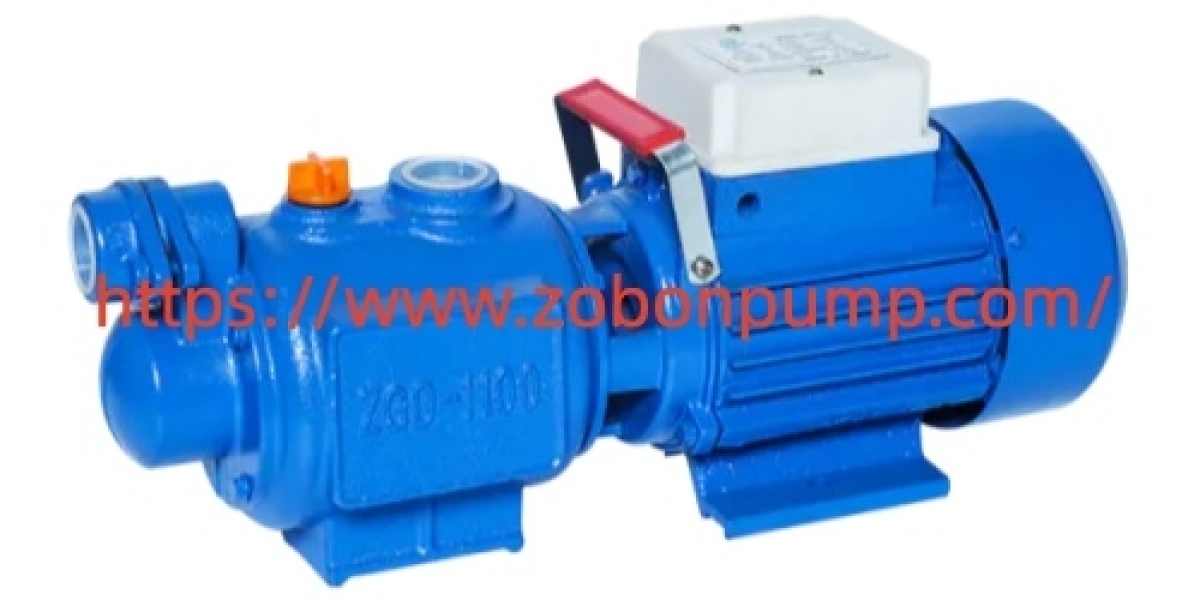
A Small Dirty Water Submersible Pump may be considered for compact drainage tasks where the equipment needs to operate directly within the liquid. The suitability of such equipment depends on factors such as solids content, particle size, installation depth, discharge distance, required capacity, and the nature of the liquid. Buyers should compare these conditions with the manufacturers stated operating range before making a decision.
Installation location can influence the choice as well. Some projects have limited space, while others require equipment to operate in pits, tanks, construction areas, agricultural fields, or temporary drainage locations. Buyers should check available dimensions, cable or connection arrangements, discharge orientation, lifting provisions, and access for inspection. A configuration that fits the available space can make installation and later servicing easier.
The power source is another practical consideration. Depending on the project, users may have access to single phase electricity, three phase electricity, generators, engines, or other power arrangements. Voltage, frequency, motor rating, starting requirements, and expected running time should be confirmed before ordering. Matching the power configuration with the site can help prevent installation delays.
Buyers should also review the discharge piping carefully. Pipe diameter and length can affect system resistance, while excessive bends and restrictive fittings may influence actual flow. The outlet location matters too. Water discharged over a greater elevation or distance may require additional head. Providing a simple layout drawing or clear description of the pipeline can help the manufacturer assess the application more accurately.
Maintenance requirements are worth discussing before purchase rather than after installation. Buyers can ask about routine inspection, cleaning, seal replacement, lubrication, spare parts, and access to service areas. For equipment exposed to sediment or debris, cleaning arrangements may be particularly important. A clear maintenance plan can help operators keep the system ready for its intended working schedule.
Operating frequency should also influence the decision. Equipment used for occasional drainage may have different priorities from equipment running for several hours every day. Buyers should explain whether the application is seasonal, intermittent, continuous, or project based. This information helps the manufacturer consider motor configuration, cooling conditions, materials, controls, and other relevant specifications.
Zobonpump can work with project buyers to review flow requirements, head conditions, water characteristics, installation details, and power availability before discussing suitable configurations. Supplying accurate project information allows technical recommendations to be based on the actual working environment rather than assumptions.
A careful purchasing process does not need to be complicated. Start by defining the required flow, calculate the total head, identify the water condition, review the piping layout, confirm the power supply, and consider installation and maintenance requirements. Buyers can then compare performance curves and technical documents with greater clarity. This approach can help connect the selected equipment with the actual demands of the project. Product configurations and application information from Zobonpump can be reviewed at https://www.zobonpump.com/product/ when comparing available solutions.