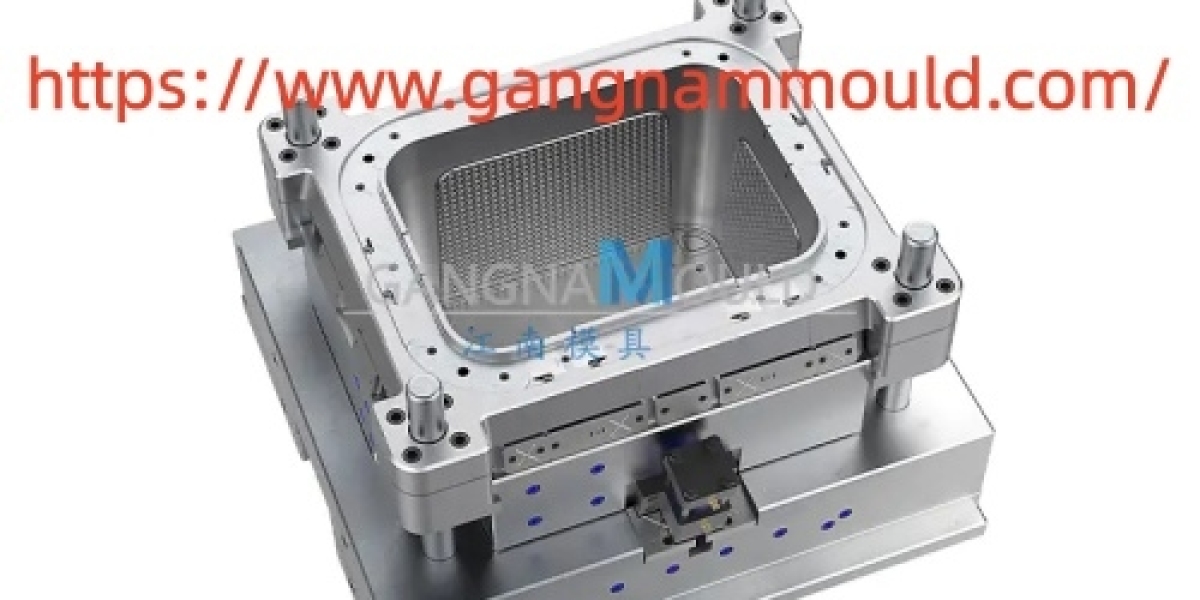

Plastic Utensils Set Mould needs regular attention to stay productive through high cycle volumes in manufacturing environments. Simple daily and weekly habits make a clear difference in how long the tooling continues to deliver consistent parts.
Cleaning after each shift forms the foundation of good practice. Operators remove any leftover material from cavities cores and runner systems with soft tools and approved cleaners. Residual particles left behind can scratch surfaces or cause incomplete fills on later shots. Paying extra attention to vents and gates keeps flow paths open and supports even filling.
Lubrication of moving components follows cleaning. Guide pins ejector systems and any slides require a thin film of compatible lubricant. Too little increases wear while too much attracts dust that later transfers to the formed items. Checking these points according to a fixed schedule based on cycle counts keeps motion smooth and reduces the load on the press.
Environmental control during storage periods protects the steel. Moisture in the air can start oxidation on polished faces and parting lines. Placing the unit on clean level racks inside a space with moderate humidity and stable temperature limits this risk. Light covers that still allow air movement add another layer of protection without trapping dampness.
Dimensional checks at set intervals catch early signs of change. Using calibrated instruments on critical areas such as core tips cavity walls and shut off faces shows whether wear has begun. Recording the readings next to the total cycle count creates a useful history. When measurements move outside the accepted range polishing or insert exchange can restore performance before defects appear in finished goods.
Careful handling during mounting and demounting also contributes to longer service. Aligning the tooling accurately with the machine platen avoids uneven pressure on the base. Clamping force should stay within the recommended range so plates remain flat. A short inspection of water connections and locating features after removal confirms the unit is ready for the next run.
Team awareness multiplies the effect of these steps. Posting clear checklists near the work area helps every shift follow the same sequence. Rotating the responsibility for post run review spreads knowledge and lowers the chance that small problems escape notice.
Gangnammould builds its tooling with practical access points that make cleaning and inspection straightforward. Material choices balance hardness and polish recovery so surfaces respond well to routine care.
When these habits become part of daily work the interval between major overhauls grows and part consistency remains steady from early cycles to later ones. Facilities that treat the equipment as a lasting production asset usually see fewer unplanned stops and more reliable output.
Options designed with these upkeep needs in mind can be reviewed at https://www.gangnammould.com/product/ where details on configurations and specifications are available for different production scales.