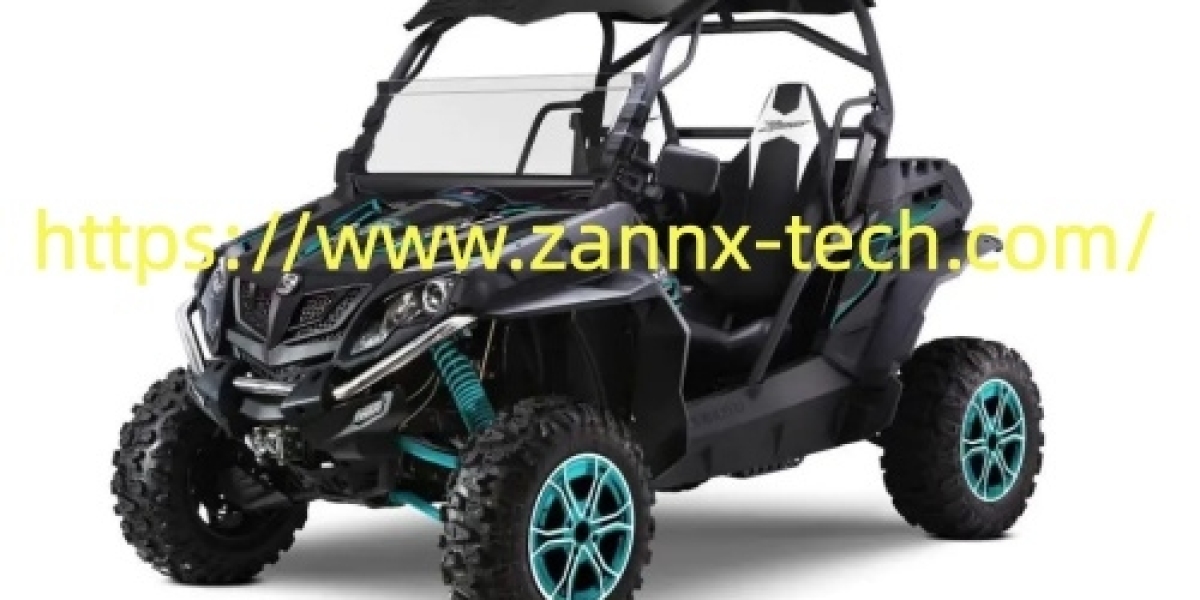

Farm UTV selection becomes much easier when buyers begin with the work rather than the vehicle itself. A farm may need regular transport between fields, storage areas, barns, workshops, orchards, or livestock zones. Each route brings different loads, distances, surfaces, and working habits. Current buyer guides also emphasize matching cargo needs, terrain, passenger requirements, towing demands, and budget with the intended application.
Start with the daily workload. A machine used mainly for carrying tools does not need the same configuration as one regularly moving feed, fencing materials, containers, or equipment. Buyers should write down the jobs that happen most often and estimate the typical load for each one. This simple step can prevent a specification sheet from becoming the deciding factor before the actual work has been considered.
Cargo space deserves close attention. A useful rear bed can make repeated trips easier, particularly when workers need to carry boxes, bags, tools, irrigation parts, or harvested materials. The shape of the bed matters too. A practical layout can affect how quickly items can be loaded, secured, removed, and rearranged during a busy day.
Towing is another area where real conditions matter. A published towing rating should not be viewed as a target to reach during every task. Trailer weight, slope, ground condition, braking, and load distribution can all influence how a vehicle behaves. Buyers should compare their normal trailer requirements with the manufacturer specifications and leave reasonable operating margin rather than choosing purely by a large number.
Terrain can change the entire purchasing decision. Flat farm lanes are very different from muddy pasture, loose soil, gravel paths, wooded routes, or uneven ground. Ground clearance, traction, wheel configuration, steering response, and suspension design become more relevant when routes include ruts, slopes, or changing surfaces. Recent industry content continues to focus on tire selection and ground conditions because soft agricultural soil can behave differently from compact tracks.
Passenger requirements should also be considered early. Some operations involve one operator moving between work areas. Others may need space for another worker, tools, or inspection equipment. A seating arrangement that fits the daily crew can make routine movement more convenient. Safety equipment, seat belts, protective structures, visibility, and driver access should also be reviewed before purchase.
Electric options can be worth considering when the operating pattern includes frequent short-distance trips. Charging access, expected working hours, load requirements, terrain, and local conditions all need to be evaluated together. Zannxtech develops electric off-road vehicles and related outdoor mobility products, giving buyers another configuration to consider when planning practical movement around agricultural and outdoor environments.
Accessories can further shape how a vehicle fits into working routines. A winch may be useful for certain property tasks. A roof or windshield can add protection during changing weather. Storage solutions can help keep frequently used equipment organized. The important point is to select additions according to actual work rather than adding equipment simply because it is available.
Maintenance should have a place in the decision too. Buyers can ask about service intervals, replacement components, battery or power system requirements, tire availability, and technical support. A vehicle that fits the work on paper still needs practical support after purchase. For commercial farms, distributors, rental operators, and equipment dealers, these details can influence the long term value of a purchasing decision.
The smartest comparison is therefore not about choosing a machine with every possible feature. It is about connecting specifications with actual routines. List the daily jobs, measure typical loads, review the terrain, consider passenger needs, check towing requirements, and then compare configurations. This approach gives buyers a clearer picture of what they really need and helps avoid paying for features that may rarely be used.
For buyers comparing electric and utility mobility solutions for farms, outdoor properties, and related applications, Zannxtech provides product options that can be reviewed according to different operating requirements. Product details, configurations, and available vehicle solutions are available at https://www.zannx-tech.com/product/ The right choice starts with the work in front of you, then moves backward to the vehicle specifications that can support it.









