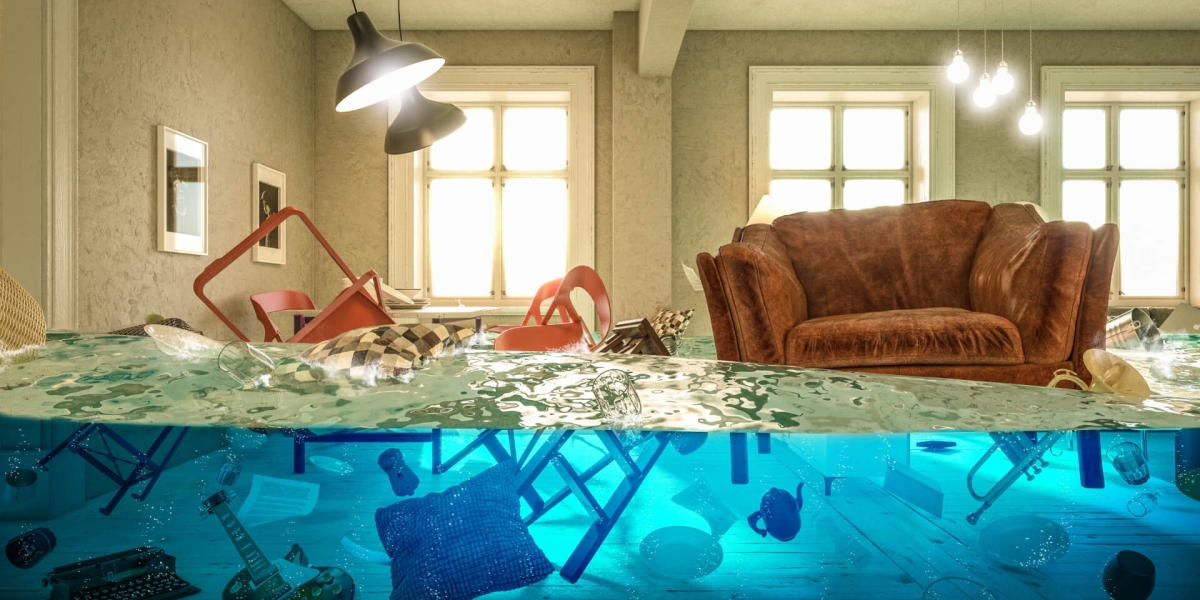

Flooding can cause serious disruption to a commercial property, affecting employees, customers, equipment, inventory, and daily operations. Whether the damage comes from heavy rainfall, a burst pipe, plumbing failure, storm surge, or an overflowing drainage system, fast action is essential. Water can spread through flooring, walls, ceilings, electrical systems, and other structural components within a short period of time. If the situation is not handled properly, a relatively manageable water problem can develop into extensive property damage, mold growth, and expensive repairs.
Commercial flood restoration focuses on returning a business property to a safe, functional, and usable condition after significant water damage. Unlike residential cleanup, commercial properties often involve larger spaces, complex building systems, specialized equipment, and stricter operational requirements. Professional restoration teams assess the source and extent of the water damage, remove standing water, dry affected materials, clean contaminated areas, and help coordinate the repair process.
Why Fast Restoration Matters After a Commercial Flood
When a business experiences flooding, every hour can make a difference. Standing water can quickly penetrate carpets, flooring, drywall, insulation, furniture, and other porous materials. If moisture remains trapped inside walls or beneath flooring, it can create conditions where mold and bacteria can grow.
Commercial flood restoration helps businesses respond quickly and systematically. The first priority is usually to identify the source of the water and stop additional water from entering the property. After that, technicians can inspect affected areas and determine which materials can be restored and which may need to be removed.
Delaying professional assistance can also increase business interruption. A restaurant, office, retail store, warehouse, or other commercial facility may not be able to operate normally while water remains inside the building. Rapid extraction and drying can help reduce downtime and prevent secondary damage.
What Does Commercial Flood Restoration Involve?
The restoration process generally begins with an assessment of the property. Professionals inspect visible and hidden areas to understand how far the water has traveled. Moisture detection equipment may be used to locate damp materials that do not appear wet on the surface.
The next stage involves removing standing water. Depending on the size and severity of the flood, powerful pumps and water extraction equipment may be required. Once the majority of the water has been removed, air movers, dehumidifiers, and other drying equipment can be used to reduce remaining moisture.
Cleaning and sanitization are also important, especially when floodwater may contain dirt, chemicals, sewage, or other contaminants. A professional restoration company can determine the appropriate cleaning procedures based on the type of water involved and the materials affected.
How TheFloodMasters Can Help Businesses
Choosing the right restoration company can make the recovery process much easier for a business owner or property manager. thefloodmasters provides restoration support designed to address water-related emergencies and help affected properties move toward recovery.
A professional team can help with essential stages such as water extraction, structural drying, moisture assessment, cleaning, and damage evaluation. The goal is not simply to remove visible water but to address moisture that may remain inside building materials and hidden spaces.
Businesses should look for a restoration provider that understands the importance of speed, communication, and proper documentation. A commercial property may involve employees, tenants, customers, valuable equipment, inventory, and operational deadlines. Restoration work therefore needs to be organized carefully to minimize unnecessary disruption.
Common Causes of Commercial Flood Damage
Commercial buildings can experience flooding for many different reasons. Some causes are sudden and difficult to predict, while others may develop because of maintenance problems.
Common causes include:
- Burst or leaking water pipes
- Plumbing system failures
- Heavy rainfall and storms
- Flooded basements
- Drainage problems
- Sewer backups
- Roof leaks
- Sprinkler system malfunctions
- Appliance or equipment leaks
- Damaged windows or exterior structures
Identifying the source is important because removing water without addressing the underlying problem can lead to repeated damage. Businesses should also consider regular inspections and maintenance to reduce the risk of future water emergencies.
Protecting Business Property During Restoration
After a flood, valuable business assets may need immediate attention. Furniture, computers, documents, inventory, machinery, and other equipment can be damaged by prolonged exposure to moisture. Moving salvageable items to a dry and secure location can sometimes prevent additional losses.
Electrical safety should also be treated seriously. Water around electrical outlets, wiring, panels, or equipment can create dangerous conditions. Business owners should avoid entering areas with potential electrical hazards until they have been assessed by qualified professionals.
Documentation is another important part of the recovery process. Taking photographs and recording visible damage can help with insurance claims and restoration planning. Keeping invoices, reports, and other relevant documentation can also make it easier to track the overall recovery process.
Why Professional Restoration Is Better Than DIY Cleanup
Small water spills may sometimes be handled internally, but major commercial flooding is different. Large quantities of water can spread quickly and remain hidden beneath surfaces. Standard household equipment may not have enough capacity to remove water or dry a large commercial building effectively.
Professional restoration teams have specialized extraction and drying equipment as well as experience dealing with different types of water damage. They can also evaluate moisture levels and identify areas that may require additional attention.
Attempting to save money by delaying professional restoration can sometimes create higher costs later. Hidden moisture can contribute to mold growth, structural deterioration, damaged materials, and prolonged business interruption. A faster and more systematic response can help reduce these risks.
Preparing for Future Flood Emergencies
Businesses can reduce the impact of future flooding by creating an emergency response plan. This may include identifying shutoff valves, maintaining drainage systems, inspecting plumbing, checking roof conditions, protecting important documents, and keeping contact information for restoration professionals readily available.
It is also useful to understand which parts of the building are most vulnerable to water damage. Basements, storage rooms, mechanical areas, and spaces containing sensitive equipment may require additional precautions.
A well-prepared business can respond faster when an emergency occurs. The objective is not only to recover after flooding but also to reduce the potential damage and downtime associated with future incidents.
Conclusion
Flood damage can create major operational and financial challenges for businesses, but a fast and organized response can make the recovery process more manageable. Proper assessment, water removal, drying, cleaning, safety precautions, and documentation all play important roles in restoring a commercial property.
Business owners should not underestimate the effects of hidden moisture or delayed cleanup. Acting quickly and working with qualified restoration professionals can help protect the property, reduce unnecessary downtime, and support a safer return to normal operations.