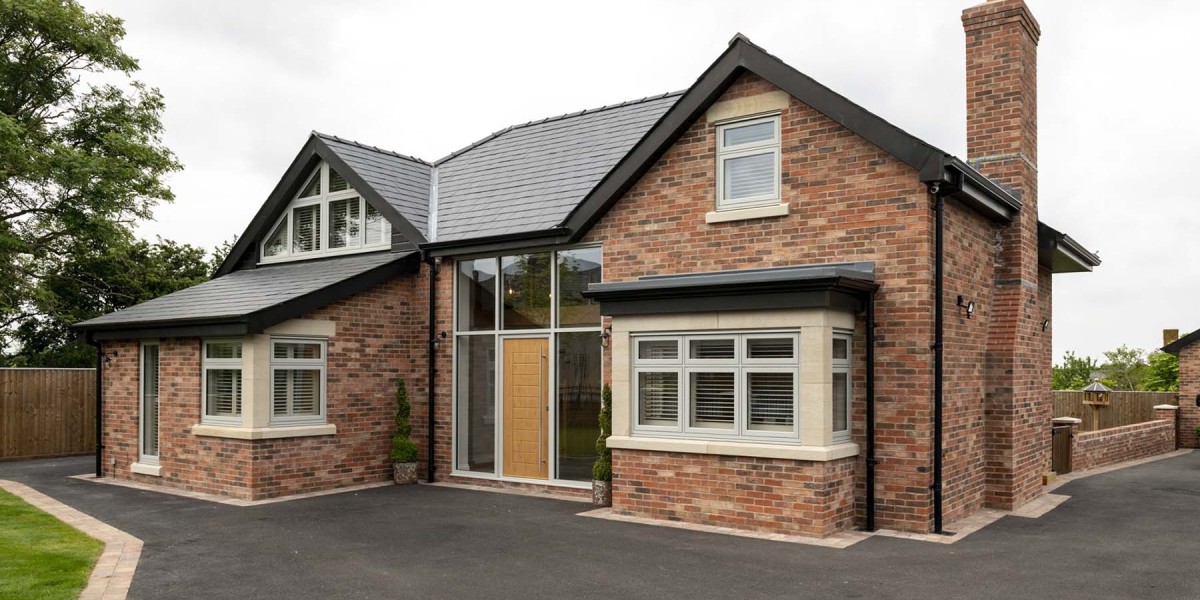

A home's exterior wall system provides the first major line of protection against rain, wind, snow, temperature changes, and seasonal moisture. In Wisconsin, those demands become especially important because residential exteriors must perform through freezing winters, humid summers, storms, and repeated freeze and thaw cycles. Damaged or poorly installed cladding can allow moisture to reach materials behind the visible surface, where deterioration may remain unnoticed.
Effective siding replacement therefore involves more than selecting a new colour or exterior profile. Homeowners should evaluate existing cladding, sheathing, flashing, weather resistant barriers, insulation, penetrations, drainage details, and fastening methods before new materials cover the wall. A coordinated strategy can strengthen weather protection while improving appearance and reducing future maintenance concerns.
Start With a Complete Exterior Assessment
Planning should begin with an inspection of every wall elevation. Cracked panels, loose boards, warped sections, open joints, damaged trim, staining, and deteriorated caulk can indicate that the exterior envelope needs attention.
Some visible problems are limited to the cladding. Others may indicate moisture movement or deterioration beneath it. Removing selected sections can help reveal conditions that cannot be identified from the surface.
Look Beyond Visible Siding Damage
Water often enters around windows, doors, roof intersections, utility penetrations, vents, and poorly flashed transitions rather than through the middle of a siding panel. These locations deserve close evaluation before replacement begins.
In Oconomowoc, homes exposed to Wisconsin's changing seasonal conditions benefit from an exterior assessment that considers both cladding condition and drainage. Replacing siding without addressing an existing flashing problem can leave the original source of moisture intrusion unresolved.
A comprehensive siding replacement project should treat visible cladding as one component of a complete wall assembly.
Understand the Weather Resistant Barrier
The material behind siding plays an important role in controlling water that passes the exterior cladding. Wisconsin residential construction requirements address water resistant wall assemblies and material compatibility. The state's Uniform Dwelling Code applies throughout Wisconsin to covered one and two family dwellings built since June 1, 1980.
House wrap, approved sheathing systems, flashing tapes, and other water management components must work together rather than functioning as isolated products.
Maintain Continuity Around Openings
Windows and doors create interruptions in the wall assembly. Flashing should direct water toward the exterior instead of allowing it to collect behind trim or enter framing cavities.
Utility penetrations require similar attention. Electrical boxes, hose connections, vents, pipes, exterior lights, and mechanical equipment can create small openings where water enters if detailing is incomplete.
Coordinate Materials Carefully
Compatibility matters when tapes, membranes, sealants, flashing products, and siding components meet. Products should be installed according to applicable requirements and manufacturer instructions.
This approach creates a continuous drainage strategy instead of depending on surface caulk as the only defence against water.
Select Siding for Wisconsin Conditions
Material selection should account for climate, maintenance expectations, architectural character, installation requirements, and budget. Vinyl, engineered wood, fibre cement, and other siding products offer different combinations of durability, appearance, weight, moisture behaviour, and maintenance.
Homeowners in Muskego should consider how the selected material responds to temperature movement and seasonal weather. Products need suitable fastening and clearance because exterior materials can expand, contract, absorb moisture, or respond differently to changing temperatures.
Consider Maintenance Over the Full Service Life
Initial appearance should not be the only selection factor. Some products require periodic painting or sealing, while others need routine cleaning and inspection.
Trim, corner boards, soffits, fascia, and exterior penetrations also affect maintenance. Selecting compatible components can create a more consistent exterior system and simplify future repairs.
T And J All In Remodeling can approach material selection by considering the condition of the existing walls alongside homeowner expectations for appearance, upkeep, and long term exterior performance.
Pay Close Attention to Flashing
Flashing is critical wherever different exterior surfaces meet. Roof to wall intersections, decks, windows, doors, horizontal projections, and masonry transitions can direct significant amounts of water toward exterior walls.
Poorly positioned flashing can allow water to travel behind new siding even when the cladding itself remains undamaged.
Avoid Depending Entirely on Sealant
Exterior sealants are useful at appropriate joints, but they should not replace proper flashing and drainage design. Caulk can shrink, crack, separate, or deteriorate as materials move and weather conditions change.
A durable wall assembly uses overlapping layers and drainage principles so gravity directs water outward.
Inspect Sheathing During Removal
Removing old siding provides a valuable opportunity to examine the wall surface underneath. Soft sheathing, staining, rot, insect damage, deteriorated fasteners, and previous repairs can become visible during demolition.
These conditions should be addressed before new cladding is installed.
For Franklin homeowners, permit requirements also need attention. The City of Franklin currently states that building permits are required for new and replacement siding. Contractors applying for permits for one and two family residential residing work must hold valid Wisconsin certifications.
Correct Problems Before Covering Walls
Installing new siding over damaged substrates may hide defects temporarily without restoring performance. Necessary sheathing repairs, flashing corrections, and wall preparation should occur while components remain accessible.
This stage can also provide an opportunity to review insulation and air sealing conditions where the project scope allows.
Manage Air Leakage and Insulation
Exterior renovation can reveal gaps around penetrations, framing transitions, and openings. Air leakage can affect comfort and energy performance, especially during Wisconsin winters.
The Wisconsin Department of Safety and Professional Services has published guidance addressing continuous air barriers and sealing of seams, joints, tears, and penetrations in wall assemblies.
Homeowners should distinguish between water management, air control, vapour management, and thermal insulation. These functions interact, but each addresses different building performance concerns.
Protect Windows Doors and Exterior Features
Replacing cladding changes the interfaces around existing windows, doors, meters, vents, decks, and decorative elements. Trim dimensions and flashing details should be planned before installation begins.
In Milwaukee, locally designated historic properties and homes within historic districts require additional consideration. The city advises owners to contact Historic Preservation Commission staff regarding a Certificate of Appropriateness for exterior alterations.
That requirement demonstrates why local conditions should be checked before exterior materials are ordered or removed.
Plan Fastening and Installation Details
Different siding materials require specific fasteners, spacing, attachment patterns, clearances, and installation methods. Incorrect fastening can contribute to buckling, movement, loose panels, or premature deterioration.
Manufacturer specifications should therefore be incorporated into project planning rather than treated as optional guidance.
T And J All In Remodeling can coordinate wall preparation, trim, flashing, penetrations, and cladding installation so these components function together.
Near the end of planning, siding installation details should be reviewed around corners, windows, doors, rooflines, foundations, utility penetrations, and material transitions. These smaller areas often determine how effectively the completed exterior manages weather.
Create a Long Term Inspection Routine
New siding still requires periodic observation. Homeowners should inspect walls after severe storms and during routine property maintenance.
Loose components, damaged caulk, blocked drainage areas, impact damage, staining, and changes around penetrations should be addressed before minor defects become larger problems.
Landscaping also matters. Vegetation should not trap persistent moisture against exterior walls, and drainage around the property should move water away from the foundation.
Conclusion
A durable exterior depends on more than the visible siding material. Sheathing, weather resistant barriers, flashing, fasteners, trim, insulation, penetrations, drainage, and installation quality all contribute to how effectively a wall manages Wisconsin weather.
Well planned siding replacement creates an opportunity to inspect hidden conditions and correct weaknesses before installing the finished exterior. By treating the project as a complete building envelope improvement rather than a cosmetic update, homeowners can create stronger protection against moisture, wind, temperature changes, and long term exterior deterioration.