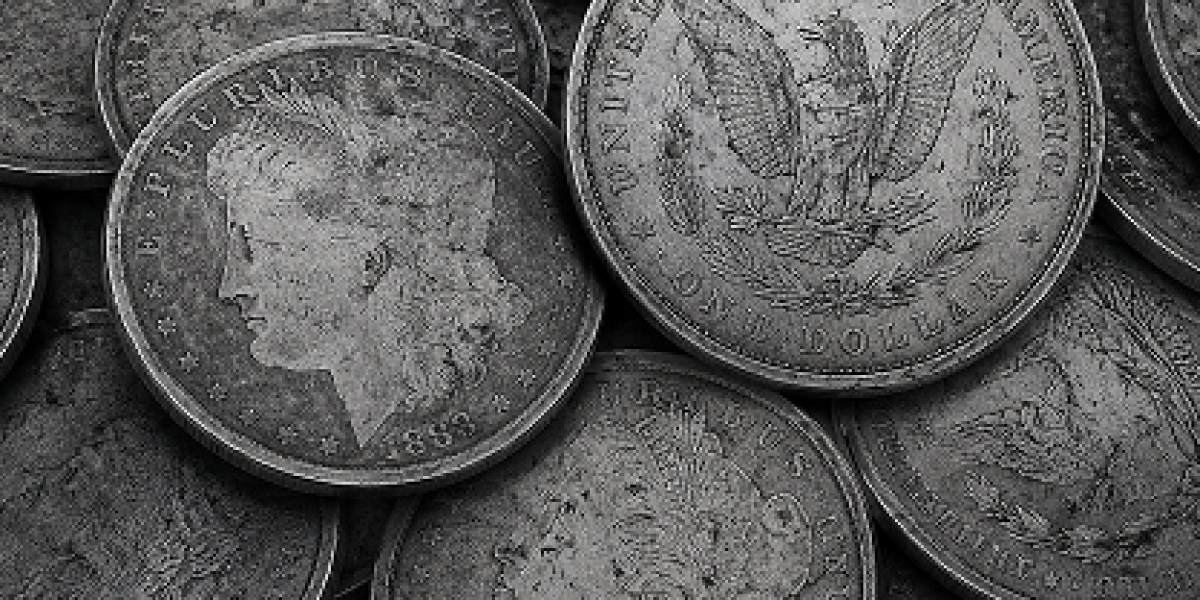

Silver coins have long been valued for their history, precious-metal content, and collectible appeal. Among the many ways to own physical silver, bags and rolls of U.S. silver coins remain popular with both new and experienced buyers. Understanding face value, silver content, condition, and market premiums can make it easier to choose the right products for your collection or precious-metals holdings. Whether you are interested in constitutional silver, building a diversified collection, or simply learning how older U.S. coins work, knowing the basics can help you make more informed purchasing decisions.
Understanding 10 Dollar Face Value Silver Coins
When discussing 10 dollar face value silver coins, the term "face value" refers to the original denomination assigned to the coins by the U.S. government, not their current market value. A group of circulated U.S. silver dimes, quarters, or half dollars can have a combined face value of $10 while containing a substantially higher value based on their silver content.
Most pre-1965 U.S. dimes, quarters, and half dollars were made with 90% silver. Because of this, these older coins are often called constitutional silver or junk silver. The word "junk" does not mean the coins are worthless. Instead, it traditionally refers to common-date coins that may have limited numismatic premiums but contain valuable silver.
What Does Face Value Mean in Silver Coins?
Face value is simply the denomination printed or represented on a U.S. coin. For example, ten one-dollar coins have a face value of $10, while forty quarters also have a face value of $10.
For older 90% silver U.S. coins, face value became a convenient way for dealers and collectors to describe quantities. Instead of counting dozens of individual coins, buyers can refer to a $10 face-value amount.
This distinction is important for anyone entering the precious-metals market. Understanding the difference between face value and intrinsic metal value helps buyers compare products more accurately.
Why 90% Silver Coins Remain Popular
One major reason these coins remain popular is their combination of recognizable U.S. currency and precious-metal content. Unlike generic silver rounds, constitutional silver coins have an established place in American monetary history.
Many collectors appreciate the familiar designs of Mercury dimes, Roosevelt dimes, Washington quarters, and Walking Liberty or Franklin half dollars. Some pieces are collected for their dates and condition, while common examples are primarily purchased for their silver content.
Another advantage is divisibility. Instead of owning one large silver bar, an owner can hold numerous smaller coins. This can provide flexibility when buying, selling, trading, or organizing a collection.
Calculating the Silver Content
One of the most important considerations when purchasing constitutional silver is understanding how much actual silver is contained in the coins.
Pre-1965 U.S. dimes, quarters, and half dollars are generally composed of 90% silver and 10% copper. A commonly used rule of thumb is that $1 face value of circulated 90% silver coins contains approximately 0.715 troy ounces of actual silver, although the exact amount can vary because circulated coins have experienced wear.
Using that traditional calculation, $10 face value represents roughly 7.15 troy ounces of silver in circulated examples.
Collecting Different Types of Silver Coins
A $10 face-value collection can contain different types of U.S. silver coins. Mercury dimes are especially popular among collectors because of their classic Winged Liberty Head design and historical significance.
Roosevelt dimes dated before 1965 are another common source of 90% silver. Washington quarters from the appropriate years are also widely collected and traded.
Half dollars can include Kennedy half dollars from the silver-content years, Franklin half dollars, and Walking Liberty half dollars. Walking Liberty halves are particularly attractive to collectors because of their detailed early-20th-century design.
Silver Coins for New Collectors
For someone new to silver collecting, constitutional silver can be an easy place to begin. The coins are familiar, historically interesting, and available in relatively small quantities.
New collectors should start by learning how to identify dates, mint marks, denominations, and signs of wear. A basic coin reference guide can help distinguish ordinary examples from potentially scarce pieces.
Buying 10 Dollar Face Value Silver Coins
When purchasing a $10 face-value group, look for a reputable seller that clearly explains what is included. Ask whether the coins are circulated, whether they are primarily common dates, and whether the quoted price reflects the current silver market.
It is also helpful to understand the difference between a product sold for bullion purposes and one marketed primarily as a collectible. A common-date circulated group may be priced mainly according to its silver content, while rare or high-grade coins can carry substantially larger premiums.
Selling Silver Coins
Selling silver coins can be straightforward when the seller understands the material's approximate value. Before visiting a buyer, check the current silver market and identify the types of coins being offered.
Separate potentially rare or collectible coins from ordinary circulated examples. A valuable date or variety may deserve a numismatic evaluation rather than a simple silver-content calculation.
Protecting and Storing Silver Coins
Proper storage helps preserve both the appearance and potential value of silver coins. Avoid unnecessary handling, particularly touching the surfaces of collectible pieces with bare fingers.
Coin tubes, holders, capsules, and other storage products can help protect coins from scratches and environmental exposure. Keep silver in a dry, stable environment and avoid harsh cleaning chemicals.
Final Thoughts on Building a Silver Collection
Whether you are buying your first group of constitutional silver or expanding an established collection, understanding face value and silver content is essential. These coins offer a unique combination of American history, recognizable designs, and tangible precious-metal value.
The best approach is to research before buying, compare premiums, learn how silver content is calculated, and understand the difference between bullion value and collectible value. Working with an experienced dealer can also make the buying and selling process easier. For buyers exploring options in precious metals and collectible coins, leifs coins can be part of that research process as you compare products and learn more about the silver market.
Frequently Asked Questions
1. What are $10 face value silver coins?
They are groups of U.S. silver coins whose original denominations add up to $10, often containing 90% silver.
2. How much silver is in $10 face value of 90% silver coins?
A typical circulated $10 face-value group contains approximately 7.15 troy ounces of actual silver.
3. Are 90% silver coins worth more than their face value?
Yes, their precious-metal value is generally much higher than their original $10 face value.
4. Should I clean old silver coins?
No, cleaning can damage the surface and potentially reduce a collectible coin's value.
5. Are $10 face value silver coins good for beginners?
They can be a practical starting point because they combine recognizable U.S. coins, historical interest, and measurable silver content.