
Security threats can arise at the entrance of any commercial building, residential complex, warehouse, office, or facility. In the UAE, where businesses often operate in busy commercial environments with frequent visitors, contractors, delivery personnel, and employees moving through access points, knowing who is requesting entry is an important part of effective security.
This is where a video intercom system becomes valuable. Unlike traditional audio-only intercoms, video intercom technology allows security teams or occupants to visually verify visitors before granting access. When combined with Commercial Security Surveillance Services, it can create a more comprehensive approach to monitoring, verification, and access control.
What Is Visual Verification in Building Security?
Visual verification means confirming a person's identity or purpose by seeing them before allowing access to a protected area.
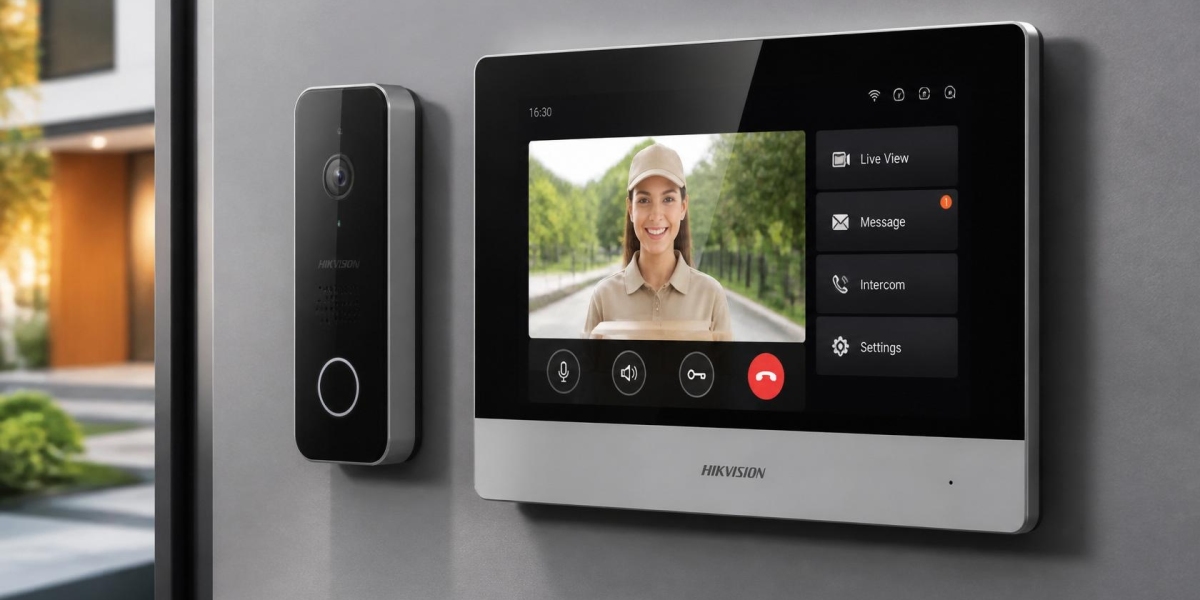
A video intercom system typically combines a camera, microphone, speaker, display, and access-control functionality. When someone approaches an entrance, the authorized person can communicate with them while viewing live video.
For example, if an unfamiliar delivery person arrives at an office, staff can check the visitor visually and communicate with them before opening the door. This simple verification step can reduce the risk of unauthorized individuals gaining access.
Why a Video Intercom System Is Better Than Audio-Only Communication
Traditional intercoms allow users to communicate with visitors, but audio alone may not provide enough information. A person can claim to be a contractor, employee, courier, or service provider without being easily verified.
A video intercom system adds another layer of information. Users can assess:
The visitor's appearance
Whether they are accompanied by others
What is happening around the entrance
Whether the visitor's behavior appears unusual
Whether the person matches the expected visitor
This makes the access decision more informed rather than relying entirely on verbal communication.
Supporting Access Control and Visitor Management
Visual verification is particularly useful for buildings with controlled entrances. A video intercom can work alongside electronic locks, access-control systems, security cameras, and visitor-management solutions.
For commercial properties in the UAE, this can help security personnel manage different types of visitors, including employees, suppliers, maintenance teams, contractors, and guests.
Instead of automatically opening an entrance when someone requests access, security staff can verify the visitor first. Depending on the system configuration, authorized users may then unlock the door remotely.
How Commercial Security Surveillance Services Strengthen Verification
A video intercom system focuses heavily on communication and entry verification, while commercial security surveillance services can provide broader security monitoring across a property.
Surveillance cameras can monitor areas such as the following:
Main entrances and exits
Reception areas
Parking facilities
Loading zones
Corridors and restricted areas
Perimeters and external access points
When these technologies work together, security teams can gain a clearer view of activity across the property. If an unusual incident occurs at an entrance, surveillance footage can also provide additional context surrounding the event.
Improving Security Without Creating Unnecessary Friction
Good building security should protect people and property without making legitimate visitors feel inconvenienced.
Visual verification helps achieve this balance. Authorized visitors can be identified and granted access efficiently, while suspicious or unexpected visitors can be questioned before entry is provided.
Modern systems may also support features such as mobile access, remote monitoring, recording, multiple indoor stations, and integration with other security technologies. These capabilities can be particularly useful for offices, apartment buildings, schools, healthcare facilities, hotels, and industrial properties.
Choosing the Right Video Intercom Solution in the UAE
Before selecting a system, businesses should consider the size and layout of the property, number of entrances, expected visitor volume, integration requirements, image quality, communication range, recording needs, and future expansion.
It is also important to work with an experienced security technology provider that understands the property's specific requirements. A properly designed solution should integrate naturally with existing commercial security surveillance services rather than operate as an isolated security device.
Conclusion
Visual verification is an important component of modern building security. A video intercom system gives occupants and security personnel the ability to see and communicate with visitors before granting access, while integrated surveillance can provide wider visibility throughout the property.
For UAE businesses and property managers, investing in properly designed access-control and surveillance solutions can help create a more controlled, responsive, and professional security environment.
Frequently Asked Questions
1. What is a video intercom system?
A video intercom system is a security and communication solution that allows users to see and communicate with visitors before providing access. Many systems can also connect with electronic door locks.
2. How does visual verification improve building security?
Visual verification allows security personnel or authorized occupants to see who is requesting entry instead of relying only on voice communication. This can help identify unexpected or suspicious visitors before access is granted.
3. Can video intercom systems work with surveillance cameras?
Yes. Depending on the system and configuration, video intercoms can be integrated with CCTV cameras, access-control systems, recording solutions, and other building security technologies.
4. Are video intercom systems suitable for commercial buildings in the UAE?
Yes. They can be used in offices, residential developments, warehouses, hotels, schools, industrial facilities, and other properties where controlled visitor access and security monitoring are important.