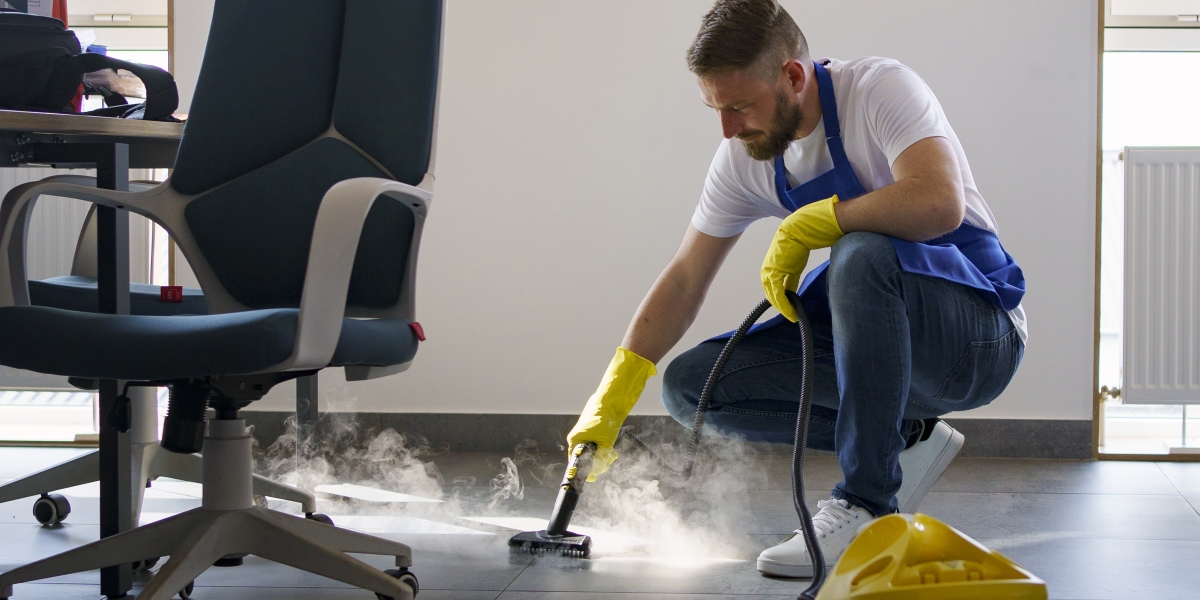

Understanding what is included can help landlords, property managers and tenants plan the transition more effectively. While cleaning requirements vary between properties, property turnover cleaning experts commonly focus on kitchens, bathrooms, floors, bedrooms, living areas, appliances and other frequently overlooked spaces.
What Is Property Turnover Cleaning?
Property turnover cleaning is a detailed clean carried out between tenancies. Its purpose is to remove accumulated dust, dirt, grease, marks and general residue left behind after a property has been occupied.
The cleaning process can range from a standard reset to a deeper clean, depending on the property's condition. For example, a home that has been regularly maintained may need less intensive work than a property occupied for several years.
Therefore, the first step is usually to assess the property's condition. This helps identify areas that need routine cleaning and those that require additional attention.
Removing Leftover Rubbish and Belongings
Before detailed cleaning begins, the property should be cleared of rubbish and belongings left behind by the previous tenant. This includes items inside cupboards, drawers, wardrobes, garages and storage areas.
Additionally, food, packaging and unwanted household items should be removed from the kitchen and other rooms. Empty spaces allow cleaners to access floors, shelves and surfaces properly.
However, cleaning teams should not automatically dispose of items that may belong to the property owner. Any uncertain items should be identified before disposal to avoid unnecessary problems.
Kitchen Turnover Cleaning
The kitchen is one of the main areas requiring attention during a property turnover. Cooking can leave grease, food particles and residue across different surfaces.
A typical kitchen clean may include:
- Cleaning benchtops and splashbacks
- Wiping cupboards and drawer fronts
- Cleaning cupboard interiors where required
- Degreasing stovetops
- Cleaning the oven and accessible components
- Wiping the rangehood
- Cleaning sinks and tapware
- Removing food residue
- Vacuuming and mopping floors
Furthermore, appliances supplied with the property may require cleaning. However, the exact scope depends on the property manager's checklist and the condition of each appliance.
Bathroom and Laundry Cleaning
Bathrooms need careful cleaning because moisture and frequent use can lead to soap residue, mineral deposits and grime. Consequently, turnover cleaning usually covers toilets, showers, baths, basins, mirrors, tiles and floors.
Tapware and other fixtures may also need wiping and polishing to remove visible marks. Likewise, exhaust fans and accessible vents can be checked for dust.
The laundry should also receive attention. Cleaners may wipe sinks, cupboards, shelves and floors while removing lint, dust and general residue.
However, persistent mould, leaks or damaged surfaces may require maintenance rather than ordinary cleaning. These issues should be reported to the appropriate property manager or owner.
Bedrooms and Living Areas
Once personal belongings have been removed, bedrooms and living areas can be cleaned more thoroughly. Dust can collect on skirting boards, doors, window sills, shelves and other surfaces.
Therefore, a turnover clean may include:
- Dusting accessible surfaces
- Wiping doors and handles
- Cleaning skirting boards
- Removing cobwebs
- Cleaning built-in wardrobes
- Vacuuming carpets
- Mopping hard floors
- Wiping suitable fixtures
In addition, ceiling fans and accessible vents may need dusting. These areas are often overlooked during routine cleaning, yet they can become noticeable when a property is vacant.
Carpet and Floor Cleaning
Floor condition can influence how clean a property appears. Consequently, carpets and hard flooring should be assessed after furniture and belongings have been removed.
Vacuuming removes loose dust, dirt and debris from carpets. However, heavily soiled carpets or visible stains may require a separate professional carpet cleaning service.
Hard floors may require sweeping, vacuuming and mopping with products suitable for the specific flooring material. Timber, laminate, tile and vinyl surfaces can have different cleaning requirements.
For property owners or managers researching turnover cleaning options, services such as Melbourne Vacate and Carpet Cleaning may provide relevant information about vacate and carpet cleaning. However, the required service should always be based on the property's condition and agreed cleaning scope.
Windows, Glass and Fixtures
Windows and glass surfaces can accumulate fingerprints, dust and marks during a tenancy. Therefore, accessible window glass, sills and tracks may be included in a turnover cleaning checklist.
Mirrors, shower screens and other glass surfaces can also be cleaned to remove visible residue. At the same time, fixtures such as door handles, light switches and rails can be wiped to remove everyday grime.
However, cleaning at height requires appropriate equipment and safety procedures. Hard-to-reach exterior windows may therefore require a separate service.
Outdoor and Storage Areas
Depending on the property, turnover cleaning may extend beyond the main living areas. Garages, balconies, patios, laundries and storage spaces can all require attention.
Remove rubbish, loose debris and abandoned belongings first. Then sweep accessible floors and wipe suitable surfaces.
Garden maintenance is a separate consideration. Some rental agreements may require basic gardening or lawn care, while others may assign these responsibilities differently. Therefore, property managers should check the tenancy agreement before adding outdoor maintenance to a cleaning checklist.
High-Touch and Often-Missed Areas
Some of the smallest areas can make a noticeable difference during a property inspection. For example, door handles, light switches, cupboard handles and taps are frequently touched and can collect marks.
Likewise, skirting boards, corners, window tracks, behind doors and inside storage areas may collect dust. Consequently, property turnover cleaning experts often include these areas in detailed checklists.
A room-by-room inspection can help identify overlooked spots before the property is presented to a new tenant.
What Turnover Cleaning Does Not Usually Include
Property turnover cleaning generally focuses on cleaning rather than repairs or major restoration. For instance, cleaners can remove surface dirt from a wall, but repairing holes or damaged plaster is a separate maintenance task.
Similarly, carpet cleaning is different from carpet replacement, while mould caused by an underlying moisture problem may require specialist attention.
Therefore, property managers should separate cleaning tasks from maintenance issues. This makes the handover process clearer and helps ensure that problems are directed to the right professional.
Final Inspection After Cleaning
After cleaning is complete, a final walkthrough can help confirm that the property is ready for its next stage. Check kitchens, bathrooms, floors, cupboards, windows, storage areas and outdoor spaces where relevant.
Also, inspect the property under normal lighting and look for visible dust, marks or residue. If maintenance issues are found, record them separately from cleaning concerns.
Finally, photographs can provide a useful record of the property's condition after the turnover clean, particularly before new tenants move in.
Final Thoughts
Property turnover cleaning is an important step between tenancies because it helps restore a rental property to a clean and presentable condition. The process typically covers kitchens, bathrooms, floors, carpets, living areas, storage spaces, fixtures and other commonly used areas.
However, every property is different. A practical cleaning checklist should reflect the property's size, condition, tenancy requirements and the expectations of the property manager or owner. By combining detailed cleaning with a final inspection, property stakeholders can create a smoother transition from one tenancy to the next.










