
The furniture industry is changing quickly as more customers research, compare, and purchase products online. However, one major challenge still remains: customers often struggle to imagine how a sofa, chair, table, bed, or cabinet will actually look inside their own space.
This is where AI Furniture technology is creating a more visual and interactive shopping experience.
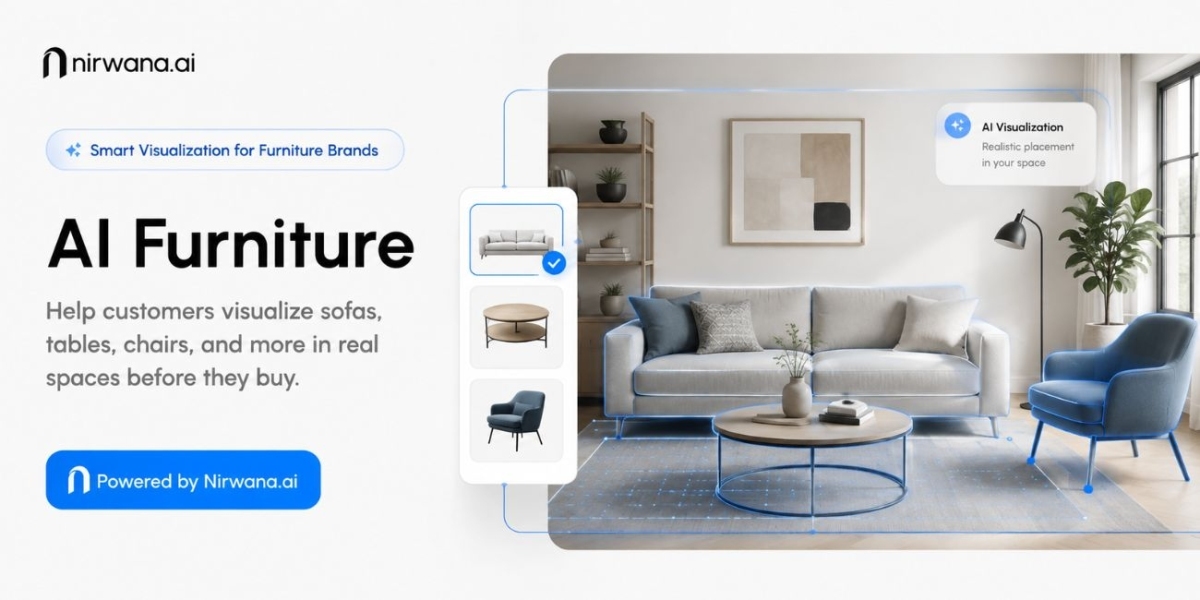
Instead of relying only on product photos, dimensions, or showroom displays, customers can use AI-powered visualization tools to explore furniture inside realistic room environments. This helps them understand how different products may work with their existing interiors before making a purchase.
What Is AI Furniture?
AI Furniture refers to the use of artificial intelligence in furniture visualization, product discovery, room planning, customization, and digital shopping experiences.
One of the most practical applications is furniture visualization. Customers can upload an image of their room or choose a preset room and then explore different furniture products within that environment.
For example, someone shopping for a new living room setup may want to compare a grey sofa with a beige sofa, test different coffee tables, or see whether a blue accent chair works with their existing décor.
Instead of imagining every option, AI technology allows them to see possible combinations visually.
Making Furniture Shopping More Confident
Furniture is often a high-consideration purchase. Customers may spend days or weeks comparing options because they want to avoid choosing the wrong size, color, style, or finish.
Product images alone do not always provide enough context.
A sofa that looks perfect in a catalogue may appear completely different in a smaller room. A dining table may match the product images but clash with the customer's flooring or wall color.
An AI Furniture visualizer can help customers explore these possibilities before they buy.
This added visual context can make the decision-making process easier and give customers more confidence in their choices.
Benefits for Furniture Brands and Retailers
AI visualization can also provide significant benefits for furniture manufacturers, retailers, and ecommerce brands.
More Interactive Product Discovery
Traditional furniture websites usually show product images, dimensions, descriptions, and prices. While these details are important, visualization makes the shopping experience more engaging.
Customers can interact with products instead of simply scrolling through a catalogue.
Better Product Comparisons
Customers may want to compare several sofas, chairs, tables, or finishes before making a final decision.
With AI Furniture technology, they can see different options inside the same room and understand how each product changes the overall look of the space.
Improved Cross-Selling Opportunities
Visualization can also help customers discover complementary products.
For example, a customer looking at a sofa may also explore matching chairs, coffee tables, side tables, rugs, or storage units. This allows furniture brands to create a more complete room-shopping experience.
Fewer Uncertain Purchases
One of the biggest challenges in online furniture sales is the difference between customer expectations and the final result after delivery.
Visualization cannot completely eliminate this problem, but it can provide customers with more information before they purchase.
How Nirwana.ai Supports Furniture Visualization
Platforms such as Nirwana.ai help furniture businesses create AI-powered visualization experiences that allow customers to explore products in more realistic environments.
Instead of treating visualization as a separate feature, brands can integrate it into the customer journey so users can discover a product, visualize it, compare alternatives, and continue toward an enquiry or purchase.
This can make digital furniture shopping feel more similar to working with a showroom consultant or interior designer.
Useful for Interior Designers and Sales Teams
AI Furniture is not only useful for consumers.
Interior designers can use AI visualization to communicate ideas more clearly with clients. Rather than explaining how a particular sofa or table may look, they can show a visual concept.
Furniture sales teams can also use these tools during consultations to demonstrate different product combinations quickly.
This can make discussions more productive and help customers narrow down their options faster.
The Future of AI Furniture
As artificial intelligence continues to improve, furniture visualization is likely to become even more realistic and interactive.
Customers may eventually be able to change fabrics, finishes, colors, materials, configurations, and product sizes in real time. AI systems may also recommend furniture based on room style, available space, and customer preferences.
The goal is to make online furniture shopping less dependent on imagination and more focused on visual confidence.
Conclusion
AI Furniture technology is helping bridge the gap between online product browsing and real-world interior design.
For customers, it provides a better way to explore furniture before buying. For brands, it creates a more engaging product experience and helps customers make informed decisions.
As furniture ecommerce continues to grow, businesses that make the shopping journey more visual, interactive, and convenient will have a stronger opportunity to stand out.
With solutions like Nirwana.ai, furniture brands can move beyond static product images and create a smarter digital experience that helps customers see more, compare better, and buy with greater confidence.