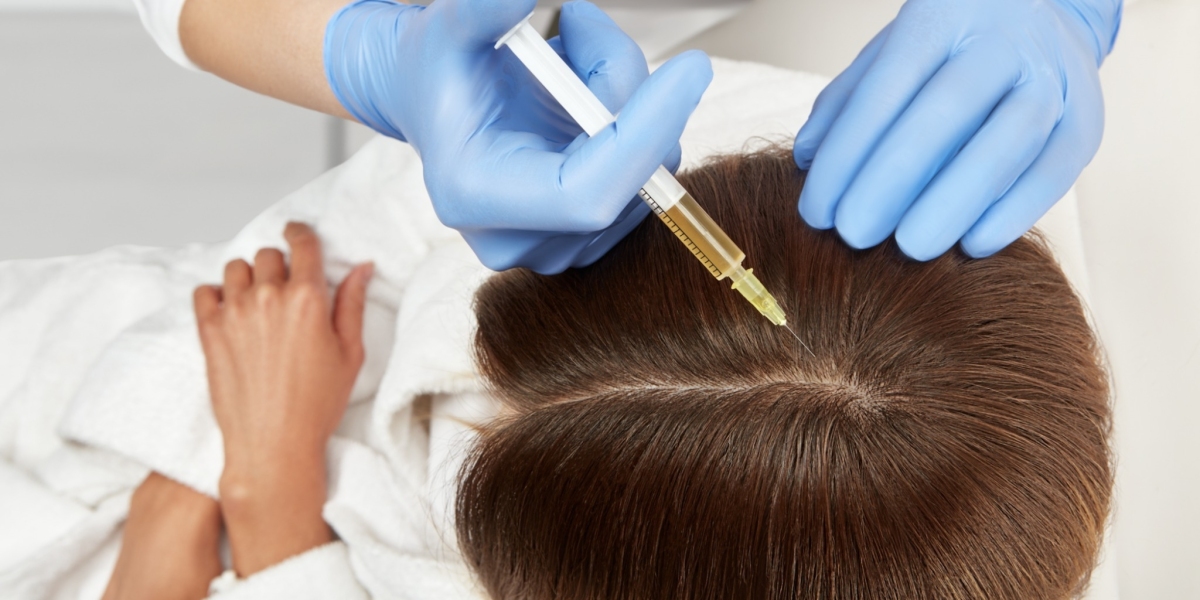

Diffuse hair thinning can be particularly challenging because it does not always create a clearly defined bald patch. Instead, the hair gradually becomes less dense across broader areas of the scalp, making the parting appear wider, the scalp more visible, and hairstyles less full. For women experiencing this pattern, identifying the underlying cause is an important first step before considering surgical treatment.
Several factors can contribute to diffuse thinning, including hereditary hair loss, hormonal changes, nutritional deficiencies, stress, certain medications, thyroid-related problems, and inflammatory scalp conditions. Because the causes can differ substantially, a proper medical assessment is essential before deciding whether transplantation is appropriate.
For carefully selected patients, Female Hair Transplant in Dubai can be considered when thinning has resulted in areas where sufficient healthy donor hair is available. The objective is not simply to add as many grafts as possible. Instead, treatment planning generally focuses on improving visual density while preserving the existing hair and making efficient use of the donor area.
A female hair transplant may involve techniques such as follicular unit extraction, in which individual follicular units are harvested and placed into carefully planned recipient areas. The exact approach depends on the patient's hair characteristics, degree of thinning, donor supply, scalp condition, and long-term hair-loss pattern.
Because diffuse thinning can involve existing hair throughout the scalp, treatment requires particularly careful planning. The following clinics offer different healthcare settings where prospective patients can explore assessment and hair restoration options.
Emirates Hospital
Emirates Hospital provides a broader medical environment that may be relevant for women who want their hair loss evaluated alongside general health considerations. Since diffuse thinning can sometimes be associated with systemic or hormonal factors, a comprehensive assessment can help determine whether transplantation is suitable.
For patients considering Female Hair Transplant in Dubai, the consultation stage should establish whether the thinning pattern is stable enough for surgery. Existing hair should also be assessed so that treatment does not unnecessarily compromise follicles that may still respond to non-surgical management.
Cocoona Clinic
Cocoona Clinic is associated with cosmetic and aesthetic treatments, making it another option for women researching hair restoration. A consultation can focus on the patient's pattern of thinning, donor-hair characteristics, scalp condition, and aesthetic objectives.
Diffuse thinning requires a different planning philosophy from treating a small, isolated bald area. Grafts may need to be distributed strategically to create a more uniform appearance rather than concentrated in one location. The treatment plan should also account for the possibility of continued native-hair thinning.
Enfield Royal Clinic
Enfield Royal Clinic can be considered by women seeking a dedicated consultation for hair restoration and looking to understand whether transplantation is appropriate for their particular pattern of diffuse thinning. During assessment, important considerations include donor density, hair calibre, scalp visibility, existing miniaturized hairs, and the likely progression of hair loss.
For Female Hair Transplant in Dubai, the quality of treatment planning is especially important when transplanted follicles must be integrated among existing hairs. A carefully designed hairline and appropriate graft distribution can help produce a natural transition rather than an overly dense or artificial appearance.
Patients should also discuss their long-term hair-management strategy during consultation. Transplantation does not necessarily prevent future loss of untreated hair, so understanding maintenance options and realistic expectations is an important part of informed decision-making.
Dubai Cosmetic Surgery Clinic
Dubai Cosmetic Surgery Clinic represents another aesthetic-focused setting where patients can investigate surgical hair restoration. Women with diffuse thinning may benefit from a consultation that examines both the cosmetic impact of hair loss and the limitations imposed by available donor follicles.
A suitable plan should distinguish between areas that genuinely require transplantation and areas where existing follicles may benefit from medical or non-surgical approaches. This can help conserve donor hair and create a more balanced result over time.
Tajmeels Clinic
Tajmeels Clinic may be relevant to women exploring cosmetic treatment options for reduced scalp density. During an evaluation, patients can discuss the pattern of thinning, the appearance they want to achieve, and whether transplantation offers an appropriate solution.
Diffuse thinning often requires conservative graft placement because the surgeon must work around existing hairs. The direction, angle, and spacing of implanted follicles can influence how naturally the transplanted hair blends with the patient's original hair.
Al Zahra Hospital Dubai
Al Zahra Hospital Dubai provides a hospital-based healthcare environment that may appeal to patients who prefer to investigate hair-loss concerns within a wider medical setting. This can be useful when a woman's thinning appears to coincide with other health or hormonal concerns that may require investigation.
Before surgery, patients should receive an appropriate assessment of the scalp and donor region. If an underlying condition is contributing to active hair loss, addressing that issue may be important before transplantation is considered.
Dynamic Life Clinic
Dynamic Life Clinic is another clinic patients can research when comparing hair restoration options in the UAE. For women with diffuse thinning, the consultation should go beyond simply estimating the number of grafts required.
The clinician should evaluate donor availability, hair thickness, the distribution of thinning, scalp characteristics, and the patient's anticipated future pattern of loss. These factors help determine whether transplantation can realistically improve density without exhausting the donor supply.
King’s College Hospital London Dubai
King’s College Hospital London Dubai offers a hospital-based setting for patients who want their concerns assessed within a broader clinical environment. Women with diffuse hair loss may particularly benefit from understanding whether their condition has an identifiable medical contributor before proceeding with a cosmetic procedure.
A thorough evaluation can help distinguish between different types of hair loss and determine whether surgical restoration is appropriate. Where transplantation is considered, expectations should be based on the available donor hair and the degree of achievable coverage rather than an assumption of complete restoration.
How to Choose the Right Clinic for Female Hair Transplant in Dubai
Experience and Qualifications
Hair transplantation is a surgical procedure, so the qualifications and relevant experience of the treating medical team matter. Patients should ask about experience with female patients and, more specifically, cases involving diffuse thinning rather than only conventional male-pattern baldness.
It is also useful to understand who performs each stage of the procedure and how treatment planning, graft harvesting, and implantation are supervised.
Technology and Techniques
Different patients may require different approaches to harvesting and implantation. Techniques such as follicular unit extraction can be used to collect individual follicular units, while implantation methods vary according to the treatment plan and clinical preference.
Technology should support sound surgical decision-making rather than replace it. Patients should ask why a particular technique has been recommended for their hair characteristics and whether it is appropriate for their donor supply.
Safety Standards
A reputable facility should follow appropriate infection-control, sterilization, anesthesia, and patient-monitoring procedures. The consultation should also include discussion of medical history, medications, allergies, scalp conditions, and potential surgical risks.
Patients should be cautious of clinics that focus exclusively on promotional claims while giving little attention to medical assessment or informed consent.
Consultation Process
A meaningful consultation should examine the pattern and progression of hair loss rather than treating thinning as a purely cosmetic concern. Depending on the clinical situation, additional evaluation may be recommended to investigate potential contributors to hair loss.
The clinician should explain whether transplantation is appropriate, what areas could realistically be treated, how many grafts might be considered, and what limitations exist.
Patient Experience
The quality of communication before and after surgery can have a significant effect on the overall treatment experience. Patients should receive clear instructions about preparation, post-operative care, activity restrictions, scalp care, and follow-up.
It is also reasonable to ask how the clinic handles questions or concerns during recovery.
Expected Results
Hair transplantation should be approached with realistic expectations. Transplanted follicles can provide additional coverage, but the final density depends on factors including donor availability, hair characteristics, graft survival, existing hair, and the progression of underlying hair loss.
Results also take time to develop. Newly transplanted hairs do not immediately provide their final appearance, and patients should understand the expected stages of recovery and regrowth before committing to treatment.
Frequently Asked Questions
Is female hair transplantation suitable for diffuse hair thinning?
It can be suitable for carefully selected women, particularly when the donor area contains sufficient healthy follicles and the cause of hair loss is understood. However, active or medically driven hair loss may need to be addressed before surgery.
Can a hair transplant make diffuse thinning completely disappear?
A transplant can improve coverage and reduce the visual prominence of the scalp, but complete restoration cannot be guaranteed. The achievable result depends heavily on donor-hair availability and the extent of thinning.
Does diffuse thinning require more grafts?
Not necessarily. The number of grafts depends on the size of the treatment area, existing hair density, hair calibre, donor supply, and the desired cosmetic improvement. Strategic placement can sometimes produce a noticeable improvement without attempting maximum density.
Will existing hair continue to thin after transplantation?
Existing non-transplanted hair can continue to thin if the underlying hair-loss process remains active. This is why long-term management and appropriate medical evaluation are important parts of treatment planning.
How long does it take to see the final result?
Hair growth develops gradually. Initial shedding of transplanted hairs can occur before new growth begins, while visible improvement develops over subsequent months. The final appearance generally requires patience and appropriate follow-up.
Conclusion
Diffuse thinning requires a more individualized approach than simply filling a bald area. Successful planning depends on understanding why the hair is thinning, evaluating donor capacity, protecting existing follicles, and establishing realistic expectations for density and long-term maintenance. Women considering Female Hair Transplant should therefore prioritize qualified medical assessment, appropriate surgical techniques, safety standards, and transparent communication rather than choosing a provider solely on promotional claims. A carefully designed treatment plan can help suitable patients achieve improved scalp coverage while maintaining a natural relationship between transplanted and existing hair.