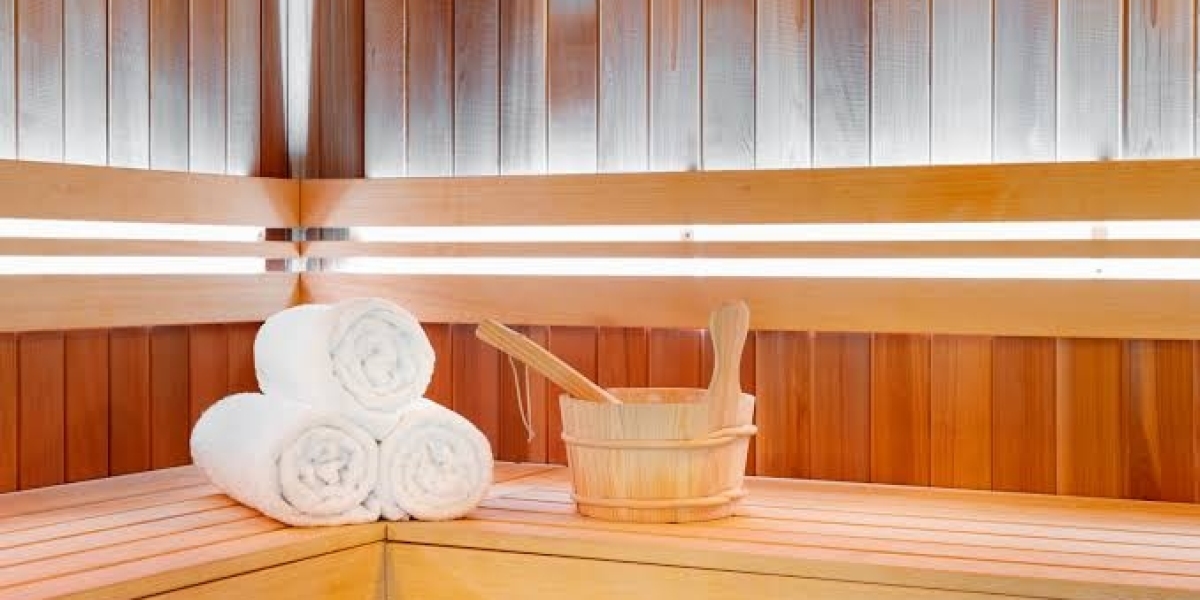

Learning How To Clean a Sauna is important for keeping the interior fresh, comfortable, and well maintained. Regular cleaning helps remove sweat, dust, body oils, and other residue that can accumulate on benches, walls, floors, and other surfaces. Because a sauna is exposed to heat and humidity, it needs a cleaning routine that is different from ordinary rooms in your home. Harsh chemicals, excessive water, and unsuitable cleaning products may damage sauna wood or create unpleasant fumes when the sauna is heated. A simple maintenance routine involving ventilation, gentle cleaning, drying, and regular inspection can help preserve the appearance and condition of the sauna. Whether you have a traditional sauna or an infrared model, following the manufacturer's recommendations should always be the first step.
What Should You Do Before Cleaning a Sauna?
Before learning How To Clean a Sauna, make sure the sauna is switched off and has cooled completely. Cleaning a hot sauna can create a safety risk and may cause cleaning products or moisture to behave differently on heated surfaces. Remove towels, accessories, buckets, and other movable items from the room so you can reach the benches and floor properly. If the sauna has a removable heater guard or other components designed for routine cleaning, follow the manufacturer's instructions before taking anything apart. Opening the door after use can also allow the cabin to cool and dry before cleaning begins. A cool, accessible sauna makes the cleaning process easier and allows you to inspect surfaces for stains, residue, or signs of moisture.
How Should You Clean Sauna Benches?
Sauna benches are among the most important surfaces to clean because they come into direct contact with users and can collect sweat and body oils. Start by removing loose dust and debris with a soft brush or clean cloth. Then use a damp cloth with mild soap or a cleaning solution specifically recommended for sauna wood. Avoid soaking the benches because excessive moisture can penetrate the wood and contribute to deterioration. After wiping the surface, use a clean damp cloth to remove any remaining residue if appropriate for the material. Allow the benches to dry completely before heating the sauna again. When considering How To Clean a Sauna, regular attention to the benches can help keep the interior looking clean and inviting.
Can You Use Regular Household Cleaners in a Sauna?
Regular household cleaners are not always suitable for sauna interiors. Some products contain strong fragrances, chemicals, oils, or ingredients that may be inappropriate for surfaces exposed to high temperatures. Residue left behind on sauna wood can also become unpleasant when the room is heated. Instead, use a mild cleaning solution recommended for sauna surfaces or follow the instructions provided by the sauna manufacturer. Avoid bleach, harsh abrasive cleaners, furniture polish, and heavily scented products unless the manufacturer specifically approves them. Understanding How To Clean a Sauna correctly means choosing cleaning products based on the material and operating environment rather than simply using whatever cleaner is already available at home.
How Do You Clean Sauna Wood Walls?
Wood walls can collect dust, perspiration, and moisture over time, particularly in frequently used saunas. A soft cloth or gentle brush can remove loose particles without unnecessarily scratching the surface. For more noticeable residue, a lightly dampened cloth with a suitable mild cleaner can be used according to the manufacturer's recommendations. Avoid saturating the wood because sauna interiors need to dry thoroughly between uses. If stains remain, do not immediately reach for aggressive chemicals because they may damage the wood or alter its appearance. Depending on the type of wood and finish, light sanding may sometimes be appropriate for stubborn marks, but this should only be done when recommended for that particular sauna material.
How Should You Clean the Sauna Floor?
The floor can collect sweat, dust, dirt, and water, making it an important part of routine sauna maintenance. Sweep or vacuum loose debris first, then clean the floor using a method suitable for the flooring material. A slightly damp mop or cloth can usually be preferable to excessive amounts of water inside a wooden sauna. Pay attention to areas around the entrance because outdoor dirt can easily be carried inside. If your sauna has a removable floor mat or grate, clean and dry it separately according to its material. Keeping the floor clean and dry is an important part of How To Clean a Sauna and can also make the room more pleasant to use.
How Often Should You Clean a Sauna?
The ideal cleaning schedule depends on how frequently the sauna is used and how many people regularly use it. A lightly used home sauna may only require a deeper cleaning periodically, while a sauna used several times each week may benefit from more frequent attention. Wiping down benches and other high-contact surfaces after regular use can prevent residue from building up. A more thorough cleaning can then be performed as needed. Ventilation after each session is also helpful because it allows moisture to escape. Instead of following a rigid schedule, inspect the sauna regularly and clean surfaces whenever you notice visible dirt, stains, odors, or residue.
Why Is Ventilation Important After Cleaning?
Ventilation is essential because moisture needs to leave the sauna after use and cleaning. Keeping the door or appropriate ventilation openings open after a session can help the cabin dry naturally, provided this follows the sauna manufacturer's instructions and the surrounding environment is suitable. A damp sauna can develop unpleasant odors and may experience moisture-related problems over time. After cleaning, allow the surfaces to dry thoroughly before closing the cabin for an extended period. Good airflow is therefore part of How To Clean a Sauna, not merely something to consider during sauna use. A clean and dry cabin is generally easier to maintain than one where moisture is allowed to remain trapped.
How Do You Clean an Infrared Sauna?
Cleaning an infrared sauna generally involves wiping down the interior surfaces, especially the benches and areas that come into frequent contact with the body. Because infrared systems use electrical heating panels, homeowners should follow the manufacturer's cleaning instructions carefully and avoid spraying liquids directly onto electrical components or control panels. Use a soft cloth and an approved mild cleaner where appropriate. Excessive moisture should be avoided because the interior is not designed to be flooded with water. When learning How To Clean a Sauna, remember that infrared and traditional saunas can have different materials and components, so the cleaning process should always be adapted to the specific model.
How Should You Clean Sauna Stones?
Traditional sauna stones can collect dust, mineral residue, and small particles over time. Before cleaning them, make sure the heater is completely cool and switched off. Follow the heater manufacturer's instructions for removing and inspecting the stones. Cracked or crumbling stones should generally be replaced with stones specifically designed for sauna heaters. Do not use ordinary outdoor rocks as replacements unless they are specifically approved for sauna use. When reinstalling the stones, follow the recommended size, quantity, and arrangement because tightly packed or incorrectly positioned stones can affect airflow and heater performance. Proper stone care should be included in a complete sauna maintenance routine.
Should You Sand Sauna Benches?
Light sanding can sometimes help remove stubborn stains or restore the appearance of unfinished wooden benches, but it is not necessary for every sauna. If sanding is appropriate for your particular wood, use suitable fine-grit sandpaper and work carefully along the direction of the wood grain. Avoid removing excessive material because this can change the shape and comfort of the bench. Do not apply ordinary furniture finishes or varnishes afterward unless the sauna manufacturer specifically recommends a product for heated interiors. Before sanding, check the manufacturer's care instructions because some sauna woods and finishes require different treatment. Knowing How To Clean a Sauna includes understanding when gentle maintenance is enough and when additional restoration is actually necessary.
How Can You Prevent Sauna Odors?
Regular ventilation, clean surfaces, and appropriate drying are among the simplest ways to reduce unpleasant sauna odors. Sweat and body oils can accumulate when users sit directly on wooden benches, so placing a clean towel between the body and the bench can help protect the wood. Towels should be removed after each session rather than left inside the sauna. Avoid heavily scented cleaning products because heat can intensify odors. If an unusual smell continues despite proper cleaning and ventilation, inspect the sauna for moisture problems, residue, or equipment issues. A clean, dry environment is generally the best foundation for keeping a sauna smelling fresh.
How Can You Protect Sauna Wood From Damage?
Protecting sauna wood starts with using the correct cleaning method and avoiding unnecessary moisture. Do not pressure-wash the interior or pour large quantities of water over wooden surfaces unless the sauna is specifically designed for that cleaning method. Excessive moisture can contribute to swelling, staining, or deterioration. Use towels on benches, allow the cabin to ventilate after use, and clean spills promptly. The exterior of an outdoor sauna may require a different maintenance approach because it is exposed to sunlight and weather. Always distinguish between interior and exterior wood care and use only products recommended for the specific surface.
What Should You Inspect While Cleaning a Sauna?
Cleaning provides a good opportunity to inspect the sauna for signs of wear or damage. Look at the benches, walls, floor, door, ventilation openings, heater, stones, lighting, and control components. Check for loose wood, excessive staining, damaged seals, unusual moisture, cracked stones, or anything that appears different from normal operation. Electrical components should not be opened or repaired unless handled by a qualified professional. If you notice a heater malfunction, damaged wiring, repeated electrical problems, or another serious concern, stop using the sauna until it has been properly assessed. Routine inspection can help identify small maintenance issues before they become larger problems.
How Can Chinook Hot Tubs and Saunas Help With Sauna Maintenance?
Chinook Hot Tubs and Saunas can help homeowners understand How To Clean a Sauna and maintain a comfortable home wellness environment. The best cleaning routine depends on the sauna's construction, wood type, heater, flooring, and other components, so manufacturer-specific instructions should always be followed. Gentle cleaning, regular ventilation, proper drying, and routine inspection can help preserve the sauna and keep it ready for use. Whether you own a traditional sauna or an infrared model, consistent maintenance can support its appearance and long-term usability. Chinook Hot Tubs and Saunas can help you explore sauna solutions and understand the care requirements involved in creating a relaxing space at home.