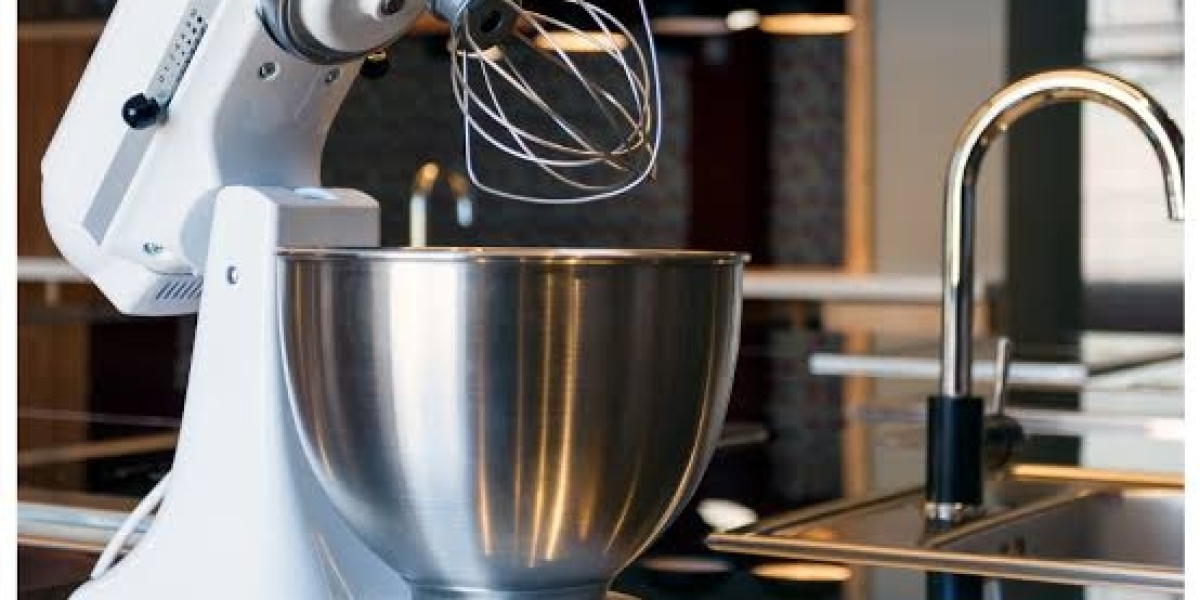

Running a successful bakery in 2026 requires more than good recipes and skilled bakers. The right commercial machines can improve production speed, maintain product quality, reduce manual work, and help a business handle growing customer demand. From powerful ovens and dough mixers to preparation surfaces and storage solutions, every piece of equipment has an important role in a professional bakery.
Modern bakery kitchen equipment is designed for regular commercial use and larger production volumes. Choosing the right machines can make daily operations smoother while helping bakers create consistent bread, cakes, pastries, cookies, pizza, and other products. A well-planned kitchen also makes better use of available space and allows employees to move easily from preparation to baking and finishing.
Why the Right Bakery Equipment Matters
A commercial bakery may prepare hundreds or even thousands of products during a busy day. Using equipment designed for professional production helps reduce delays and supports consistent results. Commercial machines are generally built with durable materials and features that can handle repeated use.
The biggest advantage is efficiency. A reliable mixer can prepare large dough batches faster than manual mixing, while a commercial oven can bake multiple trays at once. Proofing equipment can provide controlled conditions for dough, and stainless-steel preparation areas can make cleaning easier.
Equipment selection should always match the size of the business. A small bakery does not necessarily need the largest machines available. Instead, owners should consider daily production, available floor space, menu requirements, utility connections, staffing, and future growth.
1. Commercial Bakery Ovens
The oven is one of the most important investments in any professional bakery. The right oven affects baking time, texture, color, moisture, and overall product consistency.
Convection ovens are useful for cookies, cakes, pastries, muffins, and many other products because circulating hot air helps distribute heat throughout the baking chamber. Deck ovens are particularly useful for bread, pizza, baguettes, and products that benefit from direct heat from a baking surface. Rack ovens are better suited to operations that need to bake many trays in a production cycle.
When choosing an oven, consider capacity, temperature control, energy source, recovery time, ventilation requirements, and available space. Recent commercial bakery guides also emphasize matching the oven with tray sizes, proofers, racks, and the overall production flow rather than treating the oven as a standalone machine.
2. Commercial Dough Mixers
A high-quality mixer can save significant time and labor. It provides consistent mixing and helps bakers produce the same dough texture from one batch to another.
Planetary mixers are versatile choices for cakes, creams, frosting, batter, and lighter dough. Spiral mixers are better for heavy bread and pizza dough because they are designed for larger and more demanding batches.
When buying a mixer, look at bowl capacity, motor power, speed settings, attachments, construction quality, and cleaning requirements. Buying a machine that is too small can create production bottlenecks, while an oversized mixer may take up valuable space and increase unnecessary costs.
A good approach is to estimate your busiest production day rather than your average day. This gives the bakery room to grow without immediately needing another machine.
3. Proofing Cabinets
Proofing is a critical stage of bread and pastry production. A commercial proofer provides controlled temperature and humidity to help dough rise under more consistent conditions.
A dedicated proofer can be especially valuable for bakeries producing bread, rolls, buns, pizza dough, and other yeast-based products. It can reduce variations caused by changing room temperatures and help employees maintain a more predictable production schedule.
For larger operations, retarder-proofers can provide additional scheduling flexibility by combining cooling and proofing functions. This can help bakeries prepare dough ahead of time and organize production around opening hours and staff schedules.
4. Dough Sheeters
A dough sheeter can make pastry production faster and more consistent. It rolls dough to a controlled thickness, reducing the physical effort required from employees.
This equipment is useful for croissants, Danish pastries, pie dough, pizza products, cookies, and other recipes where even thickness is important. Consistent dough thickness can help products bake more evenly and maintain a uniform appearance.
Before buying a sheeter, consider the maximum dough size, roller width, adjustable thickness, conveyor design, cleaning requirements, and available workspace.
5. Commercial Preparation Tables
A strong preparation area is essential in a busy bakery. Stainless-steel worktables provide a durable surface for shaping dough, decorating cakes, preparing ingredients, and organizing trays.
A well-designed preparation area can also improve workflow. Bakers should have enough room to move products from mixers to preparation areas and then toward proofing and ovens without unnecessary walking.
A sandwich table can be useful for bakeries and bakery cafés that also prepare sandwiches, wraps, salads, toppings, or other ready-to-serve foods. Refrigerated preparation models can keep ingredients organized and chilled while providing a convenient work surface.
When choosing a sandwich table, check the storage capacity, refrigeration performance, pan configuration, working height, and cleaning requirements. A properly selected sandwich table can support both food preparation and service operations without taking excessive floor space.
6. Commercial Refrigeration
Refrigeration is important for storing ingredients such as butter, cream, eggs, milk, cheese, fillings, fruit, vegetables, and prepared products.
A commercial refrigerator should provide enough storage without making the kitchen difficult to navigate. Upright units can provide significant vertical storage, while undercounter refrigeration can save floor space in smaller kitchens.
Temperature stability, door design, interior organization, energy consumption, and ease of cleaning are important considerations. Bakery owners should also avoid overloading refrigerators because poor airflow can affect cooling performance.
7. Planetary Mixers for Cakes and Pastries
Many bakeries produce a combination of bread, cakes, cookies, and desserts. For these businesses, a planetary mixer can provide useful versatility.
Different attachments can support mixing, whipping, and other preparation tasks. This allows one machine to handle several recipes and can be particularly helpful in bakeries with varied menus.
The correct bowl size is important. A mixer should be large enough to handle regular batches but not so large that small recipes become difficult to mix properly.
8. Baking Racks and Sheet Pan Storage
Baking racks may seem simple, but they are essential for keeping production organized. They provide a safe place to hold trays before and after baking.
Mobile racks can also improve kitchen workflow because employees can move multiple trays between preparation, proofing, cooling, and storage areas. Proper rack spacing allows air to circulate around products and helps reduce unnecessary handling.
Choose racks that match the tray dimensions used by your ovens and proofers. Standardizing tray sizes across the bakery can make equipment easier to coordinate.
9. Cooling Equipment and Work Areas
Freshly baked products need suitable cooling space before decorating, packaging, or serving. Crowded counters can slow production and increase the risk of products being damaged.
Cooling racks provide a simple solution by allowing air to circulate around baked goods. Larger bakeries may need dedicated cooling areas that are separated from raw ingredient preparation.
Good kitchen planning should create a clear movement pattern: ingredients enter the preparation area, dough moves to mixing and shaping, products go to proofing and baking, and finished goods move toward cooling, decorating, packaging, or display.
10. Bakery Display and Storage Solutions
If a bakery sells products directly to customers, presentation is nearly as important as production. Display equipment helps keep finished products organized and attractive.
Bread, cakes, pastries, cookies, sandwiches, and chilled desserts may require different storage conditions. Dry baked goods can often be displayed on shelves, while products containing cream, dairy, or other temperature-sensitive ingredients may require refrigeration.
Good storage also reduces product waste. Clearly labeled containers, shelves, racks, and refrigerated storage can help staff locate ingredients quickly and monitor stock levels.
11. Cafe Cooking Equipment for Bakery-Café Businesses
Many modern bakeries operate as cafés as well. They may serve breakfast, sandwiches, coffee, pizza, hot snacks, and other prepared foods alongside baked goods.
For these businesses, cafe cooking equipment can extend the menu without requiring a completely separate kitchen. Depending on the menu, this may include cooking ranges, ovens, warming equipment, preparation tables, refrigeration, and other commercial appliances.
When selecting cafe cooking equipment, owners should focus on the actual menu rather than buying machines simply because they are popular. A bakery serving only pastries and coffee will have different requirements from a bakery offering full breakfast and lunch service.
The best cafe cooking equipment should support the menu, fit the kitchen layout, and provide enough capacity for peak service periods.
12. Small Tools and Accessories
Large machines receive most of the attention, but smaller tools also affect daily productivity. Commercial bakeries need items such as baking trays, mixing bowls, measuring tools, dough cutters, scrapers, cooling racks, thermometers, storage containers, and decorating tools.
Choosing durable accessories can reduce replacement costs and improve consistency. It is also useful to organize tools close to the stations where they are used most frequently.
A clean and organized tool system helps employees work faster and reduces the chance of misplaced equipment during busy production periods.
13. Buying Used Commercial Equipment
New equipment is not always the only option for a bakery. A carefully inspected used machine can sometimes help a new business control its initial investment.
A used restaurant equipment store may offer ovens, mixers, refrigerators, worktables, racks, and other commercial machines. However, buyers should inspect equipment carefully before purchasing.
Check the machine's condition, age, maintenance history, electrical requirements, gas requirements, safety features, seals, controls, and availability of replacement parts. For ovens and mixers, test the machine when possible rather than relying only on photographs.
A reputable used restaurant equipment store can be a practical option when the equipment has been properly inspected and the buyer understands its expected operating condition. Businesses should also calculate installation, transportation, repairs, and servicing costs before comparing a used machine with a new one.
For buyers considering a used restaurant equipment store, the most important goal should be value rather than simply finding the lowest purchase price.
14. How to Choose Equipment for Your Bakery
Before buying any major machine, create a simple equipment plan. Start by listing the products you sell and the quantities you expect to produce each day.
Next, identify the production stages. These usually include ingredient storage, mixing, preparation, proofing, baking, cooling, decorating, packaging, and service.
Measure the available kitchen space and confirm doorways, ventilation, electrical connections, gas supply, drainage, and water requirements. A machine may perform well but still be unsuitable if it cannot fit safely into the kitchen.
You should also consider maintenance and service availability. Downtime can be expensive for a bakery, so equipment should be easy to clean, maintain, and repair.
15. Focus on Energy Efficiency
Energy costs can have a major effect on bakery operating expenses. Ovens, mixers, refrigerators, proofers, and other machines may run for many hours each day.
Look for equipment designed for efficient operation without sacrificing production performance. Good insulation, accurate controls, appropriate capacity, and regular maintenance can help reduce unnecessary energy use.
Avoid buying a machine that is much larger than your actual requirements. An oversized unit may consume more resources while providing little practical benefit.
16. Build a Scalable Bakery Kitchen
A bakery should be prepared for future growth. Buying equipment that can support moderate increases in production can prevent expensive upgrades later.
However, growth planning does not mean buying every machine at once. Start with the equipment that directly affects your core products. For many bakeries, that means investing first in reliable ovens, mixers, proofing equipment, refrigeration, and preparation areas.
As sales increase, additional equipment such as sheeters, larger mixers, extra racks, slicers, or specialized ovens can be added according to actual demand.
Frequently Asked Questions
What is the most important equipment in a bakery?
The oven and mixer are usually the most important machines because they directly support core production. The exact choice depends on the bakery's products, volume, and workflow.
Is a convection oven good for a commercial bakery?
Yes. Convection ovens are useful for products such as cookies, cakes, muffins, and pastries. They are especially valuable where even airflow and batch production are important.
What type of mixer is best for bread dough?
A spiral mixer is generally well suited to heavy bread dough and larger batches. A planetary mixer is more versatile for cakes, creams, frosting, and lighter dough.
Do small bakeries need a commercial proofer?
A dedicated proofer can be a valuable investment for bakeries producing yeast-based products regularly. It provides more controlled proofing conditions than relying on changing room temperatures.
Should a bakery buy new or used equipment?
Both options can work. New equipment generally offers the latest features and a clean service history, while properly inspected used equipment can reduce initial costs. Always consider maintenance, installation, parts, and expected lifespan.
How can a bakery improve production efficiency?
Start by improving workflow. Match mixer and oven capacity, organize preparation areas, use suitable racks, reduce unnecessary movement, and maintain equipment regularly. A production line works best when each stage has enough capacity to keep the next stage moving.
Conclusion
Choosing the right bakery kitchen equipment is an important step for any bakery that wants to improve production, quality, and long-term efficiency. Commercial ovens, mixers, proofers, refrigeration, preparation tables, racks, and supporting tools should work together as one organized system.
For bakery-café businesses, cafe cooking equipment can also expand the menu and create additional sales opportunities. A properly selected sandwich table can support chilled ingredients and quick food preparation, while a reliable used restaurant equipment store can provide cost-conscious options for businesses that are comfortable buying professionally inspected used machines.
The best approach is to purchase equipment according to production volume, menu requirements, kitchen space, energy needs, maintenance support, and future growth. With careful planning and the right combination of commercial machines, a bakery can create a faster, cleaner, and more dependable production environment. Select Kitchen Equipment can be part of that planning process when choosing equipment for modern bakery and commercial kitchen operations.