
Choosing the right performing arts course is about more than finding a subject you enjoy. It is about discovering an environment where creativity can grow, practical skills can develop, and personal interests can become professional strengths. For students interested in performance, music, theatre, dance, production, or creative industries, understanding what a specialist institution offers can make the decision much easier.
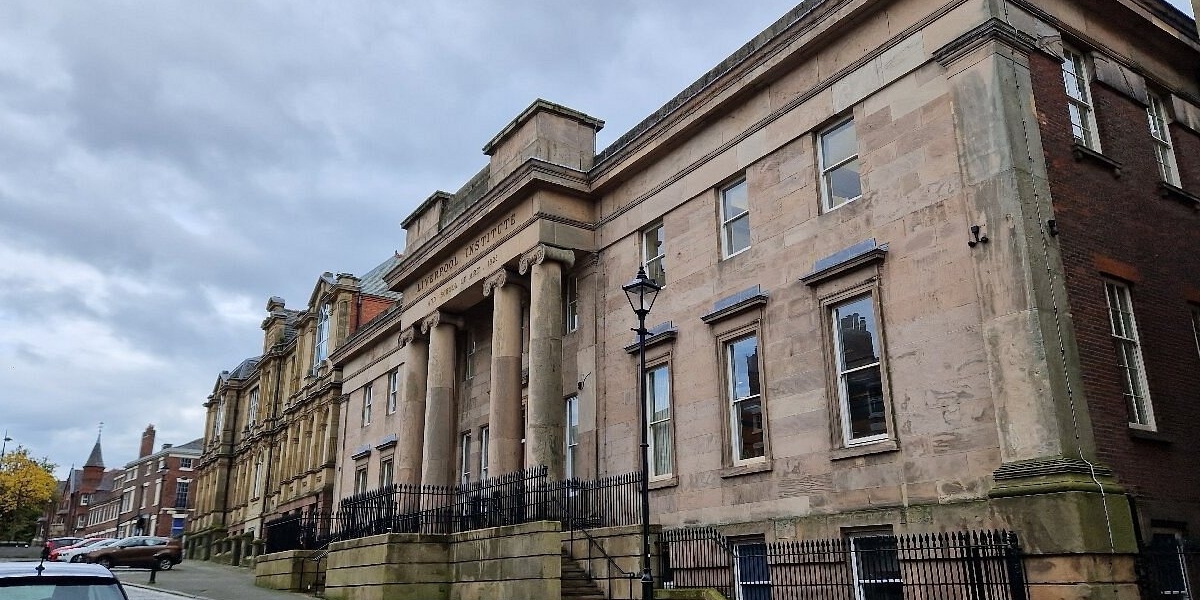
The Liverpool Institute for Performing Arts is known for its focus on practical and creative education. Rather than concentrating only on classroom theory, its approach can help students explore their craft through practice, collaboration, projects, and performance-related experiences. This course guide explains the key areas prospective students should consider when exploring study options at the Liverpool Institute for Performing Arts.
Understanding the Liverpool Institute for Performing Arts
The Liverpool Institute for Performing Arts is a specialist higher education institution focused on the performing and creative arts. Its educational environment brings together different creative disciplines and encourages students to develop both artistic and professional abilities.
Students considering the institution should look beyond course titles and examine the specific content of each programme. Modules, assessment methods, practical opportunities, facilities, course duration, and potential career pathways can all influence whether a course is a good fit.
What Types of Courses Can Students Explore?
A major attraction of the Liverpool Institute for Performing Arts is the opportunity to study subjects connected with the wider creative industries. Depending on the programme and level of study, students may explore areas related to acting, theatre, music, dance, production, creative performance, or technical and management roles.
This variety can be valuable because modern creative productions often depend on professionals working across different specialisms. Understanding the relationship between creative and technical roles can help students develop a broader perspective of the industry.
Performance-Focused Learning
For students interested in becoming performers, practical development is an important part of higher education. Performance-related courses can provide opportunities to work on skills such as stage presence, interpretation, communication, movement, voice, timing, and creative expression.
At the Liverpool Institute for Performing Arts, students can develop their abilities through practice and project-based learning. Repeated performance and preparation can help students become more comfortable presenting their work while learning how to respond to direction and constructive feedback.
Music and Creative Development
Music students need more than technical ability. They also need creativity, collaboration, communication, and an understanding of how their skills can be applied in professional settings.
A specialist creative environment can allow students to experiment with ideas, work with other artists, and develop their own approach. Depending on the programme, students may explore performance, composition, production, songwriting, or other areas connected with contemporary music.
The opportunity to work alongside students from other creative disciplines can also encourage experimentation and introduce new perspectives.
Theatre and Production Skills
Theatre is a collaborative art form, and successful productions require many different skills. Performers, directors, designers, technicians, producers, stage managers, and other professionals must work together to bring an idea to life.
Courses at the Liverpool Institute for Performing Arts can help students understand this collaborative process. Practical projects may allow students to experience different stages of production, from developing creative ideas to preparing and presenting finished work.
This experience can help students understand that professional theatre depends on preparation, communication, flexibility, and teamwork.
Technical and Behind-the-Scenes Learning
Not every creative career requires someone to be on stage. Behind every successful performance are professionals responsible for technical and organisational elements.
Depending on their chosen programme, students may develop skills related to areas such as sound, lighting, production, stage management, technical theatre, or creative technology. These skills can be particularly useful for students who enjoy solving practical problems and working behind the scenes.
Learning about technical processes can also help creative professionals communicate more effectively with production teams.
Collaboration Across Creative Disciplines
One of the valuable aspects of studying in a specialist creative environment is the chance to work with people who have different skills and perspectives.
Students at the Liverpool Institute for Performing Arts may have opportunities to collaborate on creative projects. A performer may work with musicians, directors, designers, technicians, or producers, creating an experience that reflects the collaborative nature of the professional industry.
Working with others can strengthen communication, negotiation, leadership, and problem-solving skills while helping students understand different creative roles.
Practical Projects and Real-World Experience
Creative skills develop through consistent practice. Reading about performance is useful, but actually preparing, rehearsing, creating, presenting, and reviewing work can provide a different level of learning.
Practical projects can encourage students to manage deadlines, respond to feedback, overcome unexpected challenges, and take responsibility for their contribution. These experiences can also help students build examples of their work that may become useful when developing a professional portfolio.

Building Confidence and Communication Skills
Confidence is an important skill in the creative industries. Students may need to perform, present ideas, participate in rehearsals, communicate with production teams, or explain creative decisions.
Studying at the Liverpool Institute for Performing Arts can provide an environment where students repeatedly practise these abilities. Over time, constructive feedback and practical experience can help students become more comfortable expressing ideas and responding professionally to different situations.
Developing Professional Skills
A successful creative career requires more than artistic talent. Professionals also need reliability, organisation, teamwork, time management, and the ability to meet deadlines.
Coursework and practical projects can help students develop these habits. Managing rehearsals, assignments, productions, and collaborative responsibilities can teach students how to balance creative ambitions with professional expectations.
These transferable skills can remain useful even if students later move into a different role within the creative sector.
Industry Awareness and Career Preparation
The creative industries are competitive and constantly changing. Students therefore benefit from understanding how professional environments operate and what employers, collaborators, and audiences may expect.
The Liverpool Institute for Performing Arts can provide a specialist setting in which students explore their chosen disciplines while considering possible career directions. Prospective students should examine the career support, industry engagement, practical opportunities, and professional development included in their specific course.
No course can guarantee a particular career outcome, but purposeful preparation can help students enter the industry with stronger skills and greater awareness.
Choosing the Right Course at LIPA
Before applying to the Liverpool Institute for Performing Arts, prospective students should carefully compare available programmes. Consider the following:
Course modules and subject content
Practical and performance opportunities
Assessment methods
Course duration
Facilities and learning resources
Industry-related experiences
Career development support
Entry requirements
Tuition fees and living costs
Location and student experience
It is also important to think about personal strengths and long-term goals. A student interested in performing may need different opportunities from someone aiming for technical production or creative management.
How Students Can Make the Most of Their Course
Getting the most from a creative degree requires active participation. Students should take advantage of practical projects, collaborate with classmates, listen to feedback, attend relevant events, and continually experiment with their craft.
Building a portfolio can also be useful. Students can keep records of suitable performances, productions, creative projects, and other achievements throughout their studies. This can make it easier to demonstrate their abilities when approaching future opportunities.
Networking is another valuable part of creative education. Developing professional relationships with peers, tutors, visiting professionals, and other members of the creative community can broaden a student's understanding of possible career paths.
Why Course Research Matters
Every course is different, even when two programmes have similar titles. A course may place greater emphasis on performance, production, technical skills, creative development, or professional practice.
For this reason, students should always review the latest official course information before applying to the Liverpool Institute for Performing Arts. Understanding exactly what will be studied and how students will be assessed can help applicants make a more informed decision.
Final Thoughts
The Liverpool Institute for Performing Arts can be an appealing option for students who want to develop creative abilities within a specialist performing arts environment. Its focus on practical learning, collaboration, and professional development can help students explore both artistic and career-related skills.
Choosing the right course, however, requires careful research. Students should compare modules, practical opportunities, entry requirements, facilities, assessment methods, and potential career pathways before making a decision.
The strongest results often come when students actively participate in projects, seek feedback, collaborate with others, and continually develop their skills. A proactive approach can make the learning experience more valuable and help students build useful professional evidence.
Ultimately, the best course is the one that matches your interests, abilities, and future ambitions. By researching the Liverpool Institute for Performing Arts carefully and understanding what each programme offers, prospective students can make a confident and informed choice about their creative education.