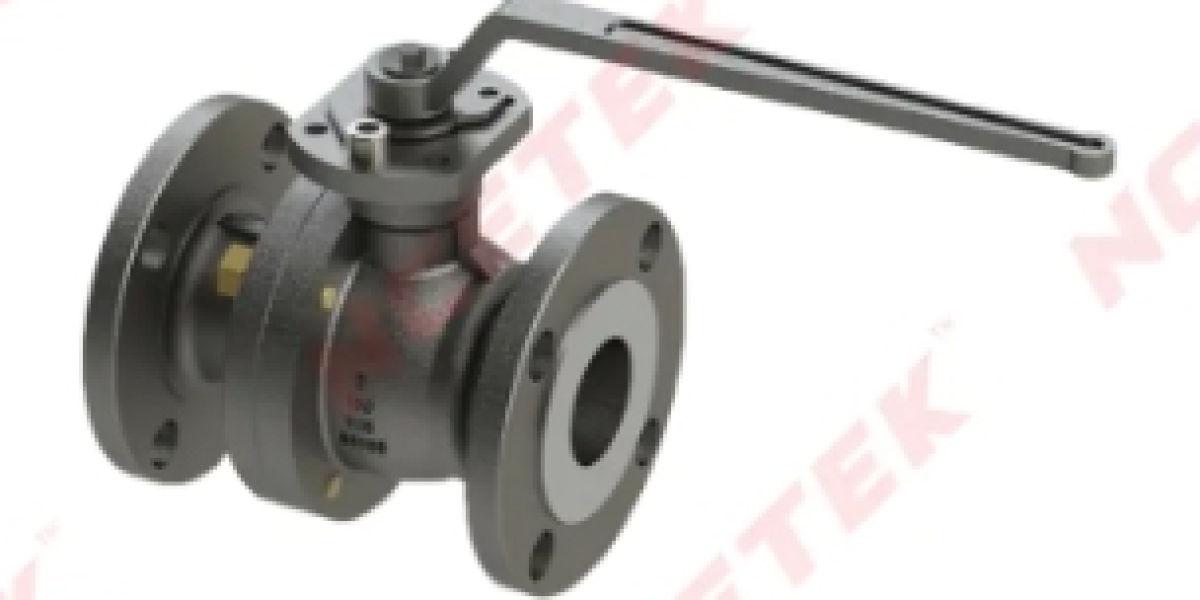

Pipeline systems serving demanding industrial processes require valve designs that can manage mechanical loads while maintaining predictable isolation and operation. Within these applications, a Forged Steel Trunnion Mounted Ball Valve can combine a forged body structure with a mechanically supported ball arrangement. This design approach is particularly relevant when engineers need to consider structural integrity, operating torque, sealing behavior, and long-term maintenance as part of one complete valve system.
Forging forms metal through controlled mechanical working, which can provide a consistent material structure for components designed for demanding service. Compared with casting, forging follows a different manufacturing route and may be selected when the engineering requirements place particular emphasis on material continuity and structural characteristics. The final suitability of the body still depends on the selected material grade, manufacturing controls, heat treatment, machining, inspection, and the actual process conditions.
The trunnion-mounted configuration provides fixed mechanical support for the ball. This differs from floating-ball designs, where line pressure contributes more directly to moving the ball toward the downstream seat. With trunnion support, the ball is mechanically positioned while the sealing system controls contact between the ball and seats. This arrangement can be useful when managing operating forces and actuator requirements is an important part of valve selection.
The body, ball, trunnions, stem, seats, and seals must be engineered as an integrated system. The body provides the main pressure boundary, while the trunnion structure supports the ball during operation. The stem transfers rotational movement from the actuator or manual mechanism, and the seats establish the primary sealing interface. Any mismatch between these components can influence operating behavior and maintenance requirements.
Material compatibility is equally important. Pipeline media can vary considerably in chemical composition, temperature, pressure, and cleanliness. Hydrocarbon systems, chemical processing lines, energy facilities, water treatment equipment, and other industrial installations can therefore require different material combinations. Engineers should evaluate corrosion, erosion, thermal effects, fluid characteristics, and operating cycles before defining the final valve configuration.
Sealing technology deserves particular attention because the seats and related components directly influence isolation performance. Seat materials should be compatible with the process medium and expected temperature conditions. Engineers may also need to consider pressure differentials, thermal expansion, operating frequency, and potential contamination. Proper surface quality of the ball and correct alignment between components are important factors in maintaining consistent contact.
Manufacturing precision supports the performance of the overall assembly. Forged body components still require accurate machining, controlled dimensional tolerances, appropriate surface finishing, and careful assembly. Trunnion alignment is particularly relevant because the support points must work together with the ball and stem. Inspection at different stages of production can help identify dimensional or material issues before final assembly.
Testing procedures should reflect the requirements of the intended application and applicable industry standards. Pressure testing can provide information about structural integrity and sealing behavior, while functional checks can verify the movement of the ball and stem. For industrial projects, material documentation and traceability may also be important because valves can become part of larger systems with defined inspection and quality-control requirements.
Safety procedures should be considered before installation and throughout the service lifecycle. Maintenance personnel should follow established isolation, depressurization, draining, venting, and lockout procedures before opening or servicing equipment. A closed valve should not automatically be considered proof that all connected spaces are pressure-free. System-specific procedures are therefore essential, particularly in process environments containing hazardous or pressurized media.
Automation is another important factor in modern valve applications. Pneumatic and electric actuators can support remote operation, while position indicators and feedback systems can provide information to plant control systems. Correct actuator selection requires consideration of operating torque, valve configuration, process conditions, fail-safe requirements, available utilities, and environmental conditions. Automation should be treated as part of the complete valve package rather than as an independent accessory.
Maintenance planning can further support dependable operation. Operators may monitor changes in torque, external leakage, actuator response, unusual movement, or other signs of abnormal behavior. Inspection and maintenance intervals should reflect actual service conditions, operating frequency, process media, and the consequences of equipment downtime. Keeping suitable maintenance records can also help identify recurring issues and support future equipment decisions.
When evaluating a Forged Steel Trunnion Mounted Ball Valve, procurement and engineering teams should assess the complete combination of forged construction, ball support, sealing technology, material compatibility, pressure conditions, automation, safety procedures, and maintenance requirements. A coordinated approach helps ensure that the selected valve is aligned with the pipeline's actual operating environment, while industrial valve products and application information from Zhejiang Naishi Valve Co., Ltd. are available at https://www.ncevalve.com/product/