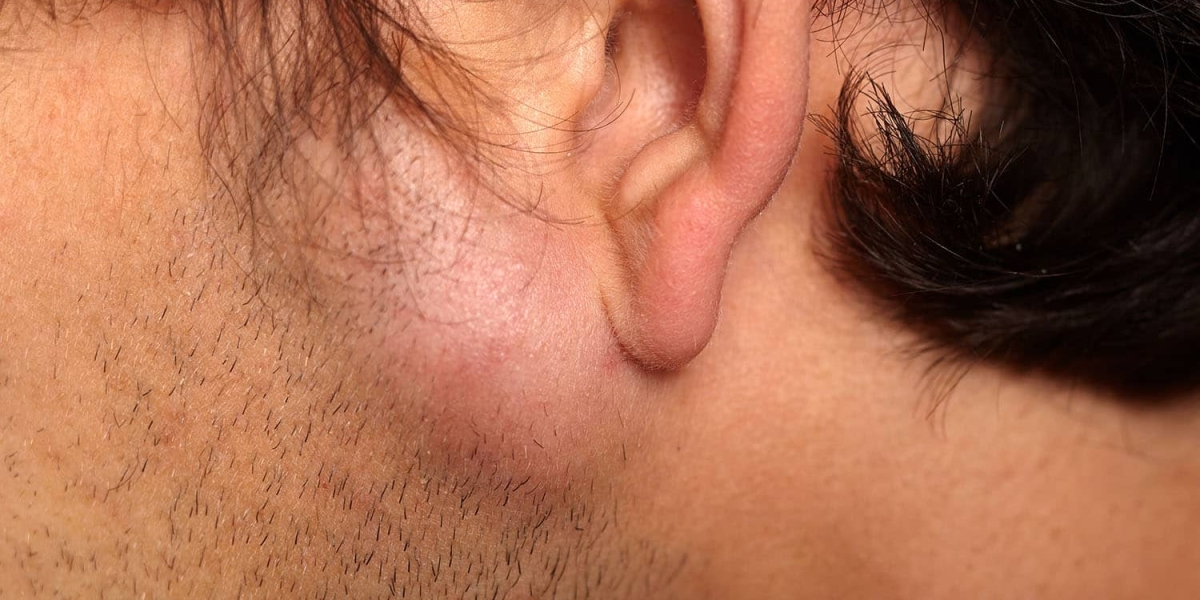

A lipoma is a soft, fatty lump that develops beneath the skin. It is usually benign and tends to grow slowly, but its presence can still cause concern, discomfort, or cosmetic dissatisfaction. Although lipomas are more frequently diagnosed in adults, they can develop at different stages of life. The answer depends less on age alone and more on the individual’s overall health, the size and location of the lipoma, its growth pattern, symptoms, and whether the diagnosis is clear. A healthcare professional may recommend monitoring a small, painless lipoma, while removal can be considered when the lump causes discomfort, restricts movement, becomes noticeable, or creates cosmetic concerns. This naturally raises an important question: can Lipoma Treatment Dubai be suitable for people of different ages?
Age can still influence how a doctor approaches treatment. Younger patients may require careful assessment to confirm the nature of a lump, while older adults may need a broader review of their general health and medications before a surgical procedure. The treatment method may also vary according to whether the lipoma is superficial, deep, large, or located near sensitive structures.
Several clinics in Dubai provide assessment and removal options for lipomas. City Dermatology Clinic Dubai, Dynamic Life Clinic, Tajmeels Clinic, and Enfield Royal Clinic are among the clinics that discuss lipoma removal or treatment services. However, choosing a provider should always involve looking beyond marketing claims and considering medical qualifications, assessment methods, safety practices, and the suitability of the recommended approach.
How Age Can Affect Lipoma Treatment:
Lipomas can occur at various ages, although they are particularly common during adulthood. The presence of a lump in a younger person does not automatically mean that treatment is inappropriate. Similarly, being older does not automatically rule out removal.
For younger adults, the priority is often establishing an accurate diagnosis and understanding whether the lump is changing. If removal is considered, the doctor may discuss the expected scar, healing process, and the most appropriate technique.
For middle-aged adults, lipoma removal may be considered when a lump becomes larger, uncomfortable, repeatedly irritated by clothing, or cosmetically noticeable. Many lipomas are diagnosed in this age range, and treatment decisions can be personalised according to the individual’s circumstances.
Older adults can also be candidates for removal when medically appropriate. However, a doctor may review existing health conditions, medications, previous surgeries, and anaesthesia considerations before recommending a procedure.
The important point is that there is no single age at which every lipoma should be removed. The decision should follow a proper clinical assessment.
When Should a Lipoma Be Assessed?
Most lipomas are harmless, but a new or changing lump should not simply be assumed to be a lipoma. Medical assessment becomes particularly important if a lump grows quickly, becomes painful, feels unusually firm or fixed, is located deep beneath the skin, or changes in appearance.
Depending on the examination, a healthcare professional may recommend imaging or another diagnostic assessment before removal. This is particularly relevant when the lump is large, deep, or located in an anatomically sensitive area.
Once the diagnosis is established, the doctor can discuss whether monitoring or removal is more appropriate.
Dynamic Life Clinic
Dynamic Life Clinic offers lipoma treatment involving assessment followed by a treatment plan based on the individual case. Its published information describes options including excision and liposuction, with the approach depending on factors such as the lipoma’s characteristics and the patient’s needs.
This type of individual assessment can be useful when treating patients from different age groups. Rather than assuming that one technique is appropriate for everyone, the healthcare team can consider the location and size of the lump alongside the patient’s overall circumstances.
For younger patients, discussions may focus strongly on diagnosis and the expected cosmetic appearance after removal. For older patients, the consultation may also include a review of general health and factors that could influence a surgical procedure.
Tajmeels Clinic
Tajmeels Clinic provides information about lipoma treatment and describes surgical excision alongside other approaches that may be considered in selected cases. The clinic notes that treatment can be tailored according to factors such as the size and number of lipomas.
For patients in different age groups, personalised planning can help ensure that treatment is considered in the right context. A small, uncomplicated lipoma may require a different approach from a larger or multiple growths.
A consultation can also provide an opportunity to discuss the expected procedure, anaesthesia, recovery, and potential risks before making a decision.
City Dermatology Clinic Dubai
City Dermatology Clinic Dubai offers lipoma removal through its dermatology and minor skin surgery services. Its published treatment information describes surgical excision and explains that imaging may be considered for deeper or more complex lipomas.
This can be relevant when assessing patients across different ages because the depth and location of a lump may be more important to treatment planning than age itself. The clinic also describes personalised assessment based on factors including the size, location, and depth of the lipoma.
Patients can therefore discuss whether removal is necessary, which technique may be appropriate, and what recovery could involve before proceeding.
Enfield Royal Clinic
Enfield Royal Clinic provides lipoma treatment services and discusses surgical approaches for patients seeking assessment and removal. Its lipoma treatment information highlights consultation and evaluation before deciding on an appropriate procedure.
For patients of different ages, this assessment-led approach is particularly important because suitability cannot be determined from age alone. A younger patient may need a different discussion from an older patient, even when both have apparently similar lumps.
Patients considering Lipoma Treatment can discuss the size, position, symptoms, medical history, and desired outcome during consultation. This helps establish whether removal is medically appropriate and what type of procedure may be suitable.
How to Choose the Right Clinic for Lipoma Treatment:
Experience and Qualifications
A suitable clinic should have appropriately qualified medical professionals who are experienced in evaluating and removing soft-tissue lumps. Patients should feel comfortable asking about the clinician’s qualifications and experience with similar procedures.
Technology and Techniques
The appropriate technique depends on the individual lipoma. Depending on the case, treatment may involve surgical excision or another approach. For deeper or complex lumps, imaging may sometimes be recommended before treatment.
Safety Standards
Safety should remain a priority at every age. The clinic should follow appropriate medical protocols, maintain suitable surgical facilities, and explain potential complications before treatment.
Consultation Process
A proper consultation should involve an examination and discussion of the patient’s medical history, symptoms, lump characteristics, and expectations. A rushed consultation that focuses only on removal may not provide enough information for an informed decision.
Patient Experience
A good patient experience includes clear communication, realistic expectations, and an opportunity to ask questions. Patients should understand what happens before, during, and after the procedure.
Expected Results
Patients should receive realistic information about healing, possible scarring, recurrence, and the expected appearance after removal. No clinic should guarantee identical results for every patient because healing and outcomes vary between individuals.

Frequently Asked Questions
Can teenagers have Lipoma Treatment?
Teenagers can develop lumps that may resemble lipomas, but any new lump should first be assessed by an appropriate healthcare professional. Treatment should only be considered after the diagnosis and individual circumstances have been evaluated.
Is lipoma removal suitable for older adults?
Older adults may be suitable for lipoma removal when their overall health allows it. The healthcare professional may review medications, existing conditions, and other factors before recommending a procedure.
Does age determine which lipoma removal technique is used?
Not usually. The technique is generally influenced more by the lipoma’s size, depth, location, characteristics, and the patient’s overall medical situation than by age alone.
Should every lipoma be removed?
No. Many lipomas are harmless and may not require treatment. Removal can be considered when a lump causes discomfort, functional problems, cosmetic concerns, or other reasons identified during medical assessment.
Can a new lump be treated without diagnosis?
It is better not to assume that every soft lump is a lipoma. A new, rapidly changing, painful, firm, or unusual lump should be professionally assessed before treatment is planned.
Conclusion
Lipoma Treatment can be suitable for people across different age groups, but suitability should be determined on an individual basis rather than by age alone. The size, location, depth, symptoms, diagnosis, general health, and personal expectations all play important roles in treatment planning.
Younger and older patients may have different medical considerations, so a thorough consultation is essential before deciding whether removal is appropriate. Selecting a clinic with qualified professionals, suitable facilities, careful assessment, and transparent communication can help patients make a more informed decision.
Ultimately, the safest approach is to have any concerning or changing lump evaluated professionally and then discuss whether monitoring or removal is the most appropriate option.