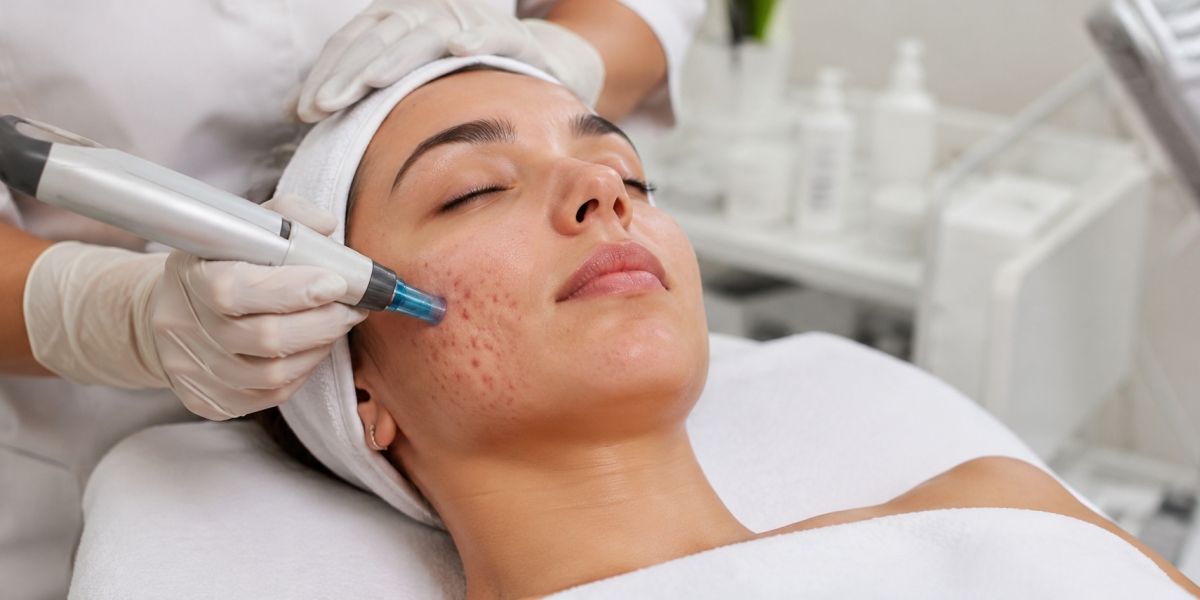

Acne breakouts can leave behind lasting reminders long after active inflammation has cleared. Surface irregularities, discoloration, and structural changes in the dermal tissue often impact skin texture and confidence. Understanding how scar tissue forms and how modern aesthetic technology can rebuild collagen is the key to restoring a smooth and rejuvenated complexion.
Every skin type responds differently to trauma caused by acne. When severe breakouts breach the deeper layers of skin, the body responds by laying down dense collagen fibers to heal the wound. Depending on your genetic response and the severity of the acne, this natural repair mechanism can result in lost volume, depressed indentations, or raised scar tissue.
When evaluating professional options, finding the best treatment for acne scars involves choosing a plan tailored to your specific skin tone, scar depth, and tissue characteristics. Personalized care ensures that structural depressions, hyperpigmentation, and surface roughness are targeted with high precision without compromising the health of the surrounding skin.
Understanding the Unique Types of Acne Scars
Effective scar reduction begins with identifying the specific underlying structure of each mark. Atrophic scars are the most common result of severe acne and occur when the body fails to produce enough collagen during the healing process. These present as depressions or indentations in the skin surface.
Ice pick scars are deep, narrow depressions that extend into the middle dermis, often resembling small, sharp punctures. Boxcar scars are wider with defined, vertical edges, typically appearing on the cheeks and temples. Rolling scars create a wave-like texture across the skin caused by fibrous bands of tissue pulling the upper layers downward toward deeper structures.
Hypertrophic and keloid scars occur when the body produces an overabundance of collagen during wound healing, creating raised, firm tissue. Additionally, post-inflammatory hyperpigmentation causes dark red or brown spots without changing texture. Distinguishing between structural depressions and surface discoloration allows aesthetic specialists to combine targeted modalities for maximum skin repair.
Radiofrequency Microneedling and Deep Collagen Remodeling
Advanced radiofrequency microneedling has transformed the field of non-surgical skin restoration. Treatments such as Morpheus8 combine physical micro-injuries with controlled thermal energy delivered into the subdermal layers. This dual approach stimulates deep collagen and elastin synthesis, repairing the structural foundation of the skin.
The sterile micro-needles create fractionated channels in the tissue, triggering the body’s natural healing cascade. Simultaneously, radiofrequency heat remodels subdermal adipose tissue and tightens connective fibers. This precise energy delivery minimizes surface trauma while maximizing collagen production beneath deep boxcar and rolling scars.
Because radiofrequency energy targets deeper layers while keeping the outer layer intact, it provides a safe option for various skin tones, including darker complexions prone to post-inflammatory hyperpigmentation. A series of custom sessions leads to progressive structural tightening, smoother contours, and overall refined skin tone over time.
Laser Resurfacing and Skin Texture Refinement
Laser therapy remains a gold standard for smoothing uneven skin texture, correcting pigmentation, and reducing scar depth. Laser resurfacing utilizes targeted light energy to remove damaged outer skin layers while heating underlying dermal tissue to promote continuous collagen production.
Ablative laser treatments deliver transformative results for severe, deep scar tissue by removing micro-thin layers of damaged skin and initiating robust collagen renewal. Non-ablative lasers focus thermal energy below the skin surface without disrupting the top layer, making them an excellent choice for moderate texture irregularities with minimal recovery time.
Fractional laser technology treats a grid of micro-zones, leaving intervening healthy tissue untouched to accelerate rapid healing. Patients experience significant improvements in overall tone, softened scar contours, and reduced redness as fresh, healthy skin cells replace damaged tissue.
Chemical Peels and Professional Exfoliation Therapies
Chemical peels provide an effective solution for shallow texture issues, post-inflammatory hyperpigmentation, and residual surface marks. By applying specialized medical-grade acid solutions, damaged upper layers of skin systematically exfoliate to reveal brighter, smoother tissue underneath.
Medium and deep chemical peels utilize active ingredients like trichloroacetic acid to penetrate the middle dermal layers. This targeted exfoliation dissolves dead surface cells, lightens stubborn discoloration, and encourages fresh cellular turnaround, helping diminish the depth of mild atrophic scars.
For deep ice pick scars, specialized localized chemical treatments can be applied directly inside individual depressions. This targeted approach causes controlled localized inflammation that stimulates focused collagen growth, gradually raising the bottom of the scar to match the surrounding skin.
Subcision and Dermal Fillers for Depressed Scars
Rolling scars are often held down by tight fibrous bands in the subcutaneous tissue that pull the skin downward. Subcision is a specialized minor procedure that releases these tethered fibers using a micro-cannula or specialized needle, allowing the depressed skin to immediately release and lift upward.
Once the fibrous bands are released, the body fills the empty space with new collagen fibers over the following weeks. Combining subcision with biostimulatory injectable treatments or hyaluronic acid dermal fillers helps prevent the fibers from re-attaching while providing immediate volume restored to hollow depressions.
Dermal fillers work exceptionally well for softening deep boxcar and rolling scars by lifting the depressed area to align with the surrounding skin plane. Biostimulatory injectables go a step further by encouraging long-term collagen accumulation, offering both instant refinement and gradual structural improvement.
Surgical Scar Revision and Excision Techniques
For deep, narrow ice pick scars or rigid structural defects that do not respond to energy-based devices or chemical treatments, surgical scar revision offers a definitive solution. Punch excision involves using a small surgical instrument matching the scar diameter to remove the damaged tissue entirely.
Once excised, the tiny incision is closed with delicate sutures, replacing a deep, dark scar with a tiny, smooth linear line that fades over time. Punch grafting is another surgical variation where a small piece of healthy skin harvested from behind the ear is transplanted into the excised scar location.
Surgical scar revision techniques are frequently combined with subsequent resurfacing procedures like laser treatments or radiofrequency microneedling. This multi-tiered approach integrates the newly healed tissue seamlessly with the surrounding skin for an even, cohesive complexion.
Comprehensive Care at Cassileth Plastic Surgery
Achieving outstanding aesthetic outcomes requires combining medical expertise with advanced technology tailored to each patient's individual goals. The expert medical team at provides personalized care designed to address complex skin conditions, structural scar tissue, and comprehensive facial rejuvenation in a welcoming environment.
Under the leadership of world-renowned board-certified plastic surgeon Dr. Lisa Cassileth, the practice offers top-tier surgical and non-surgical treatments in Beverly Hills. The team brings exceptional skill to skin restoration, utilizing cutting-edge energy devices, advanced injectables, and tailored scar management plans designed for long-lasting skin health.
Every personalized treatment program begins with a comprehensive skin analysis to evaluate scar depth, tissue elasticity, and pigmentation levels. By combining complementary techniques such as radiofrequency microneedling, custom laser resurfacing, and targeted subcision, patients receive complete care designed to restore natural texture and radiance.
Essential Post-Treatment Care and Long-Term Prevention
Protecting your skin following scar revision treatments is crucial for optimizing collagen growth and preventing post-inflammatory hyperpigmentation. Newly treated skin is exceptionally sensitive to ultraviolet radiation, making daily application of a broad-spectrum sunscreen with SPF 30 or higher vital to prevent darkening.
Maintaining a gentle, hydrating skincare routine accelerates the recovery process. Nourishing products rich in ceramides, hyaluronic acid, and peptides help restore the natural skin barrier and support cellular regeneration, while harsh active ingredients should be avoided until full healing is complete.
Preventing new scarring requires managing active acne promptly with proper dermatological care. Avoiding picking or squeezing active blemishes reduces deep tissue damage and lowers the likelihood of future permanent scar formation, ensuring your skin remains smooth and healthy.
Frequently Asked Questions
What factor determines the right procedure for my specific scar type?
The choice of procedure depends on scar depth, shape, tissue elasticity, and skin tone. Atrophic scars like ice pick or boxcar marks benefit from targeted excision, chemical treatments, or radiofrequency microneedling, whereas rolling scars respond best to subcision and volume restoration.
How many treatment sessions are typically needed to see optimal skin improvement?
Most patients require a series of three to six sessions spaced several weeks apart, depending on scar severity and the chosen modality. Deep structural scar revision often involves a phased treatment plan to allow adequate collagen remodeling between appointments.
Is radiofrequency microneedling safe for darker skin tones?
Yes, radiofrequency microneedling is generally safe for darker complexions because energy is delivered beneath the surface layer. This minimizes heat exposure on the outer epidermis, significantly reducing the risk of post-inflammatory hyperpigmentation compared to traditional ablative lasers.
How long does recovery take following professional laser scar resurfacing?
Recovery times vary by procedure depth. Non-ablative laser treatments usually involve one to three days of mild redness, whereas deep ablative resurfacing may require five to ten days of downtime for the outer skin layer to fully heal and regenerate.
Can active acne breakouts be treated at the same time as scar revision?
Active acne inflammation should be brought under control before undergoing aggressive scar revision treatments. Treating active breakouts first prevents the spread of bacteria and reduces the risk of creating new scar tissue during skin resurfacing procedures.
Conclusion
Addressing acne scars requires a thoughtful, comprehensive approach that accounts for scar depth, tissue characteristics, and individual skin needs. Modern aesthetic technology offers an impressive range of modalities—from radiofrequency microneedling and custom laser resurfacing to subcision and surgical revision—that deliver remarkable improvements in skin texture and confidence. Partnering with experienced board-certified specialists ensures that treatments are selected and combined for maximum efficacy and safety. By supporting your procedures with diligent post-treatment sun protection and proper skin maintenance, you can enjoy smoother, healthier, and continuously rejuvenated skin for years to come.