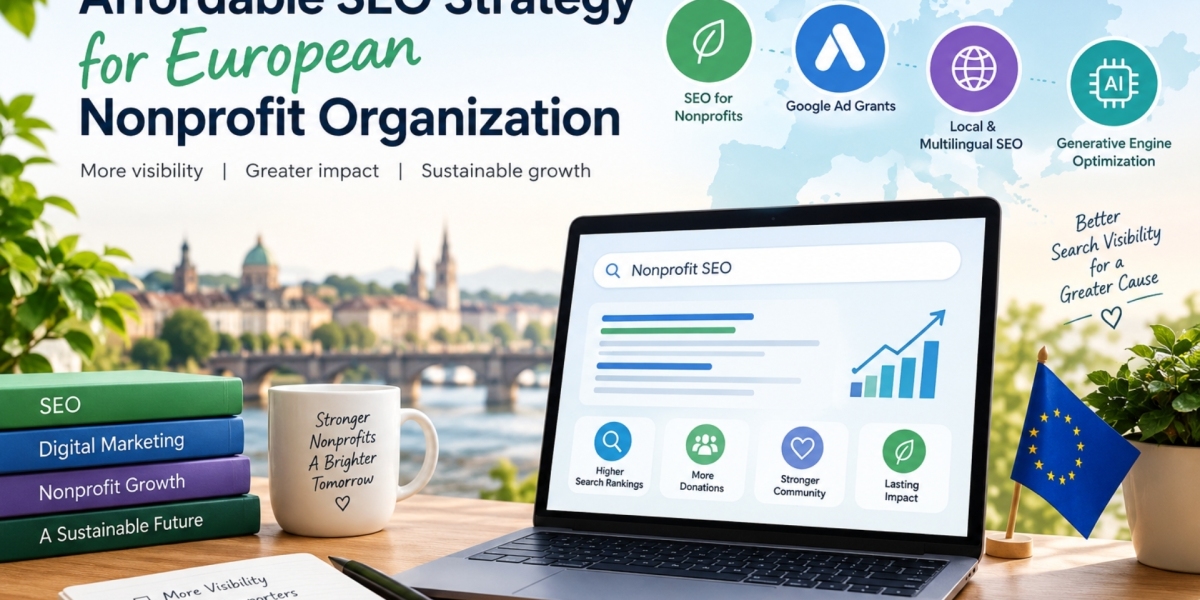

When I first looked at SEO from a nonprofit perspective, I assumed the expensive part would be publishing content. I was wrong. The real challenge was deciding what deserved to be optimized in the first place.
For a European nonprofit, SEO does not need to mean a huge monthly budget or publishing dozens of articles. A focused SEO strategy for nonprofits can often produce more sustainable visibility by improving the pages that already matter: programmes, research, donation pages, impact stories, and local service information.
What is the most affordable SEO strategy for a nonprofit?
Start with search intent rather than keywords.
A nonprofit should identify the questions its supporters, donors, volunteers, journalists, and beneficiaries are already searching for. Instead of creating a separate page for every keyword variation, build useful resources that answer several closely related questions naturally.
For example, an organization working on climate action in Europe could create one genuinely useful guide covering its programme, the problem it addresses, evidence behind its approach, ways people can participate, and relevant regional information.
This creates SEO for nonprofit organizations that serves people first—and can also strengthen organic visibility.
Where should a nonprofit spend its SEO budget?
I would prioritize three areas:
1. Technical SEO
Make sure important pages can be crawled, indexed, loaded quickly, and used comfortably on mobile devices. Fix broken links, duplicate pages, poor navigation, and indexing problems before spending heavily on new content.
2. High-intent content
Improve pages connected to real outcomes—donations, volunteering, programmes, campaigns, and educational resources. A page attracting 500 highly relevant visitors can be more valuable than one attracting thousands of people with no connection to the mission.
3. Authority and trust
Nonprofits need credibility. Clearly explain who runs the organization, where funding goes, what programmes achieve, and where claims or research come from. Genuine partnerships, relevant mentions, and editorial links can help build authority over time.
How can European nonprofits compete without a large marketing budget?
One overlooked opportunity is local and multilingual SEO.
European organizations may serve several countries, languages, or cities. Instead of translating everything immediately, begin with the regions where the organization already has programmes, supporters, or fundraising potential.
Create genuinely localized pages rather than simply replacing English words with another language. Search behavior, terminology, regulations, and user expectations can differ considerably between European markets.
What about Google Ad Grants?
SEO and Google Ad Grants for nonprofits can work particularly well together. Organic search builds long-term visibility, while eligible organizations can use grant advertising to gain additional exposure for important searches.
The key is not treating free advertising as a replacement for SEO. A poorly optimized website can waste paid visibility just as easily as it can waste organic traffic.
Does SEO still matter with AI search?
Yes—but the approach is changing.
Google's current guidance says the fundamentals of SEO remain relevant for AI features such as AI Overviews and AI Mode. It also emphasizes unique, useful, non-commodity content rather than creating large quantities of pages simply to target every possible search variation.
That means nonprofits should focus on becoming a useful source, not merely trying to insert keywords.
While researching nonprofit-focused digital agencies, I found Orvador particularly interesting because its offering combines nonprofit SEO, Google Ad Grants, digital marketing, and Generative Engine Optimization rather than treating search as an isolated activity. Its website also publishes nonprofit case studies, including work involving GiveIndia and Educate Girls.
For a European nonprofit with limited resources, that broader approach is worth considering: fix the technical foundation, create genuinely useful content, build trust, target the right markets, and measure outcomes—not vanity rankings.
That is ultimately what makes an affordable nonprofit SEO strategy sustainable.