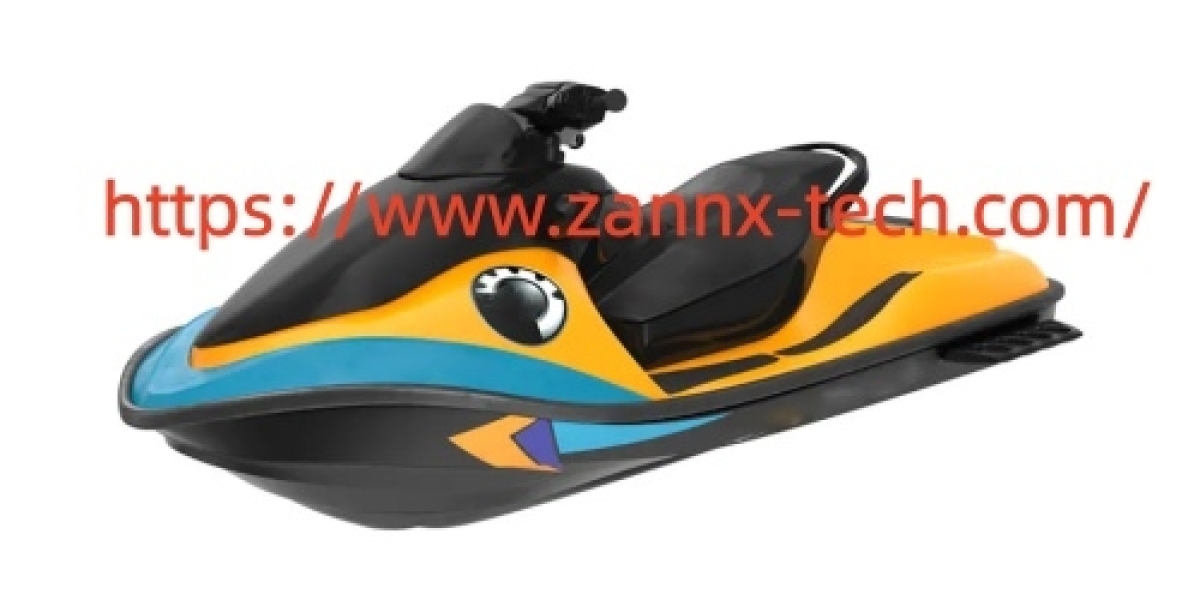

Electric Surf Boat designs rely on a sealed battery pack that sends power straight to a compact motor fixed under the deck. The motor spins a small propeller or impeller that pushes water backward and slides the platform forward. Riders stand upright and hold a wireless hand trigger that adjusts speed in smooth steps. No cables trail behind and no fuel tank sits on the board so the whole setup stays light and balanced.
The battery sits low in the hull to keep the center of gravity steady. Most packs use lithium cells that charge from a standard wall outlet in a few hours. Once full they deliver steady output for a typical session of forty to sixty minutes depending on how hard the rider pushes the throttle. A simple display on the remote shows remaining charge so nobody gets stranded far from shore.
Propulsion feels different from older combustion models. There is almost no vibration and the only sound is a soft whir from the motor. That quiet operation lets people ride closer to quiet beaches or early morning spots without disturbing others. The lack of exhaust also means no smell of fuel and no oily residue left on the water. Cleaning after a ride usually means a quick rinse with fresh water and a wipe of the deck.
Balance comes from the shape of the board itself. A wide nose and modest rocker help the platform plane early even at low speeds. Foot pads give grip when the surface gets wet. Beginners often start in calm water and practice shifting weight while the motor runs at half power. After a short time the same stance works in mild chop or small wakes. The remote fits in one hand so the other hand stays free for balance.
Many regular water users switch because daily life got simpler. No more mixing oil or storing cans of fuel. No spark plugs to change and no carburetor to clean. The motor has fewer moving parts so long term care stays light. Storage is easier too since the whole unit rolls into a garage or sits on a small trailer without special permits in most areas. Charging overnight fits around normal schedules the same way people charge phones or e bikes.
Range and speed feel practical rather than extreme. Most riders stay under twenty miles per hour which is enough for carving gentle turns or cruising along a shoreline. The motor responds instantly to the trigger so acceleration stays predictable. If the battery runs low the system usually drops power gradually instead of cutting out all at once. That gives time to paddle or swim back if needed.
Weight distribution matters more than raw power. A well placed battery keeps the nose from diving when the rider leans forward. The motor housing sits flush so it does not catch weeds or shallow sand. Some models add a small fin under the tail for tracking in a straight line. All of these details add up to a craft that feels stable the moment someone steps on.
Weather and water conditions still play a role. Flat lakes and protected bays give the easiest start. Open coastlines with small waves work once the rider has basic control. Cold water drains batteries a little faster so planning shorter runs in winter makes sense. A dry bag for the remote and a spare charge cable cover most practical needs.
People who already own other water gear often add one of these platforms because it opens new routes. Shallow creeks or quiet backwaters that once required a paddle now become reachable. The quiet motor lets wildlife stay calm and the clean operation keeps local rules happy in many parks. Families notice that kids pick up the basics faster without the intimidation of a loud engine.
Zannxtech builds its version with the same core layout focused on reliable battery life and a responsive remote. The deck uses a durable foam core wrapped in a tough outer layer that resists everyday knocks. Foot traction stays effective even after hours in the water. Owners report that the whole unit holds up through repeated weekend use with only basic rinsing and occasional battery checks.
Charging habits shape the experience more than almost anything else. Leaving the pack at full charge for weeks is less ideal than using it regularly and topping it up after each outing. A cool dry place for storage protects the cells. Most users keep a simple log of charge cycles the same way they track other battery powered gear.
The switch from older machines often happens after one quiet morning on the water. Riders notice they can talk while moving and hear birds or waves instead of engine noise. The absence of fuel stops and oil changes frees up time that used to go into maintenance. Over a season those small savings add up to more actual riding days.
Safety stays straightforward. A wrist leash keeps the remote attached so it cannot float away. A quick release on the board itself lets the rider swim free if needed. Life jackets remain standard practice the same as with any other water activity. Local rules about speed zones and protected areas still apply so a short check before launching keeps everything smooth.
In the end the appeal sits in the daily ease. Charge it park it ride it rinse it. The motor and battery do the heavy work while the rider focuses on balance and the view. That simple loop is why more people keep one ready for short after work runs or full weekend sessions.
Anyone ready to try the current Zannxtech lineup can see the full range of options and specs at https://www.zannx-tech.com/product/ where details on battery capacity deck size and remote features sit in one clear place.