
Recovering from a stroke can be challenging at any age, but rehabilitation for an older adult often requires a more thoughtful and individualised approach.
A senior recovering from stroke may not be dealing with weakness or paralysis alone. They may also have diabetes, blood pressure problems, joint stiffness, reduced stamina, swallowing difficulties, vision changes, memory concerns or other age-related limitations. These factors can influence how rehabilitation is planned and how quickly a person can progress.
This is why stroke rehabilitation in Chennai should not follow the same routine for every patient. The rehabilitation plan needs to consider the person's medical condition, functional abilities, lifestyle, family support and recovery goals.
Why Stroke Recovery Can Be Different in Older Adults
Age itself does not determine whether someone can recover after a stroke.
However, an older adult may have several conditions at the same time that can influence rehabilitation.
For example, a senior may have:
Reduced muscle strength
Poor balance
Joint stiffness
Diabetes or hypertension
Heart-related conditions
Reduced endurance
Difficulty swallowing
Cognitive changes
Speech or language difficulties
Vision problems
Fear of falling
Dependence on caregivers
These challenges can overlap.
A patient with weak legs may also have knee arthritis. Someone with poor balance may be afraid of falling. A person with speech difficulties may struggle to communicate discomfort.
Therefore, rehabilitation has to look at the whole person rather than only the stroke-related disability.
1. The Severity and Location of the Stroke
Every stroke affects the brain differently.
Depending on the area involved, a senior may experience:
Weakness or paralysis on one side
Difficulty walking
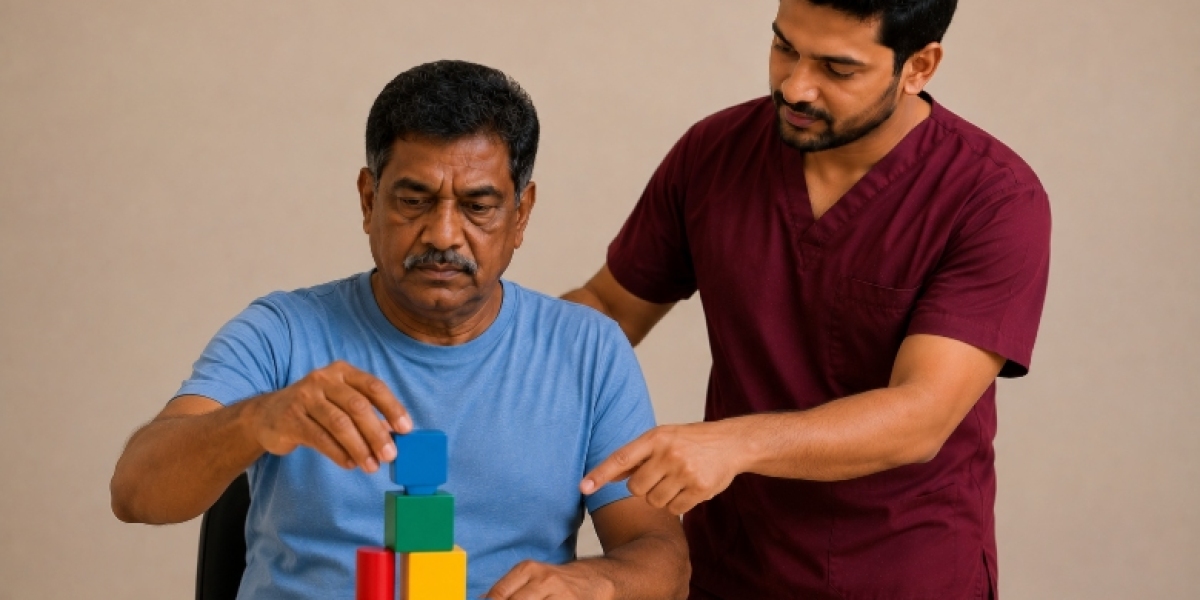
Poor hand function
Speech problems
Difficulty understanding language
Swallowing problems
Changes in memory or attention
Problems with coordination
Emotional changes
The rehabilitation program should begin with an assessment of what functions have been affected and what abilities remain.
This provides a starting point for setting realistic goals.
2. Existing Health Conditions Matter
Older adults commonly have other medical conditions alongside stroke.
Conditions such as hypertension, diabetes, heart disease or previous mobility problems may affect the rehabilitation plan.
For example, a person with reduced cardiovascular endurance may not tolerate the same therapy intensity as someone who was physically active before the stroke.
Similarly, uncontrolled blood sugar or blood pressure may require attention alongside rehabilitation.
This makes medical supervision particularly important during recovery.
At Antara, stroke rehabilitation follows a PMR-led model with clinical monitoring and personalised rehabilitation planning based on the patient's condition and stage of recovery.
3. Physical Strength and Stamina
An older person may become physically weaker after spending several days or weeks in the hospital.
Even when the brain injury itself is stable, prolonged inactivity can result in:
Less movement → muscle weakness → reduced confidence → less activity → further loss of strength
Rehabilitation attempts to gradually break this cycle.
Depending on the individual's condition, therapy may include:
Bed mobility
Sitting balance
Standing practice
Transfer training
Strengthening
Walking practice
Balance exercises
Endurance training