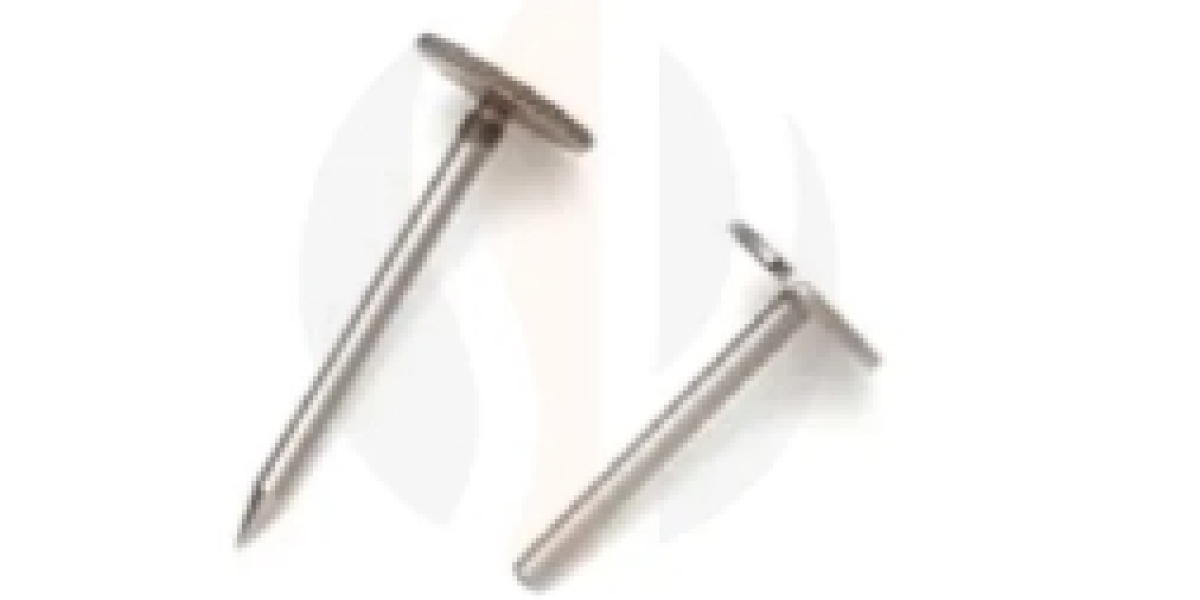

Cannula trocars are important instruments used in various minimally invasive surgical procedures to provide controlled access to a body cavity or treatment area. Their design combines a cannula, which creates and maintains an access pathway, with a trocar that helps establish the initial entry. Understanding the design and function of instruments such as the Cannula Trocar 10C 092 / 10C 093 can help medical professionals and healthcare facilities better understand their role in procedural access.
What Is a Cannula Trocar?
A cannula trocar is a surgical access instrument designed to facilitate the introduction of other instruments into a selected anatomical area. The trocar component is generally associated with creating or assisting with the initial passage, while the cannula provides a pathway through which surgical instruments, fluids, or other equipment can be introduced.
The exact configuration can vary depending on the intended application. Factors such as cannula dimensions, trocar geometry, material, and handle design can influence the instrument's handling characteristics and suitability for a particular procedure.
Design of Cannula Trocar 10C 092 / 10C 093
The Cannula Trocar 10C 092 / 10C 093 is designed around the basic principles of controlled surgical access. Its construction typically focuses on providing an appropriate pathway while supporting practical handling during a procedure.
Key design considerations include:
Cannula Structure
The cannula forms the access channel and is designed to accommodate the required surgical instruments. Its internal and external dimensions are important because they influence instrument compatibility and the overall access pathway.
A properly designed cannula should provide a consistent passage while maintaining appropriate structural stability during use.
Trocar Component
The trocar is associated with establishing access through the relevant tissue or anatomical area. Its geometry is an important design factor because the tip must be suitable for the intended surgical application.
Trocar designs can differ according to procedural requirements, so healthcare professionals should always verify the specifications and intended use of a particular model before selecting it.
Handle and Control
Depending on the configuration, the handle can contribute to instrument control and positioning. Ergonomic considerations may help the operator maintain a stable grip and make controlled movements during a procedure.
Good handling characteristics are particularly important when precise access is required.
Material and Construction
Medical instruments are manufactured using materials selected for durability, compatibility with sterilization processes, and appropriate performance in clinical environments. The construction should also support cleaning and maintenance requirements when the instrument is intended for reusable applications.
Always consult the manufacturer's technical documentation for the exact material, dimensions, sterilization method, and intended use of a specific instrument.
Function of a Cannula Trocar
The primary function of a cannula trocar is to help establish and maintain an access route for surgical instruments. This can be particularly useful in minimally invasive procedures where controlled access is necessary.
The instrument may support several procedural functions:
- Establishing an access pathway
- Maintaining access during a procedure
- Allowing compatible instruments to pass through the cannula
- Supporting controlled instrument positioning
- Helping reduce the need for larger surgical openings in procedures designed around minimally invasive access
The specific function depends on the surgical technique and the instrument's intended application.
Why Cannula Design Matters
The design of an access instrument can influence how effectively it performs during a procedure. Dimensions, tip configuration, cannula rigidity, internal diameter, and handle characteristics can all affect usability.
For example, the internal diameter should be compatible with the instruments intended to pass through the cannula. The external dimensions should also correspond with the access requirements of the procedure.
These factors make accurate product specifications important when selecting a cannula trocar.
Cannula Trocar Applications
Cannula trocars may be used in surgical environments where controlled access is required. Depending on their specific design, they can be associated with minimally invasive techniques and procedures involving the introduction of surgical instruments.
However, not every cannula trocar is suitable for every procedure. Medical professionals should select instruments based on the manufacturer's stated indications, dimensions, compatibility requirements, and institutional protocols.
Handling and Procedural Considerations
Proper handling is an important part of using any surgical instrument. Before use, healthcare professionals should inspect the instrument for visible damage, contamination, deformation, or other conditions that could affect performance.
For reusable instruments, cleaning, disinfection, inspection, packaging, and sterilization should follow the manufacturer's validated instructions and applicable healthcare facility protocols.
If a cannula trocar is damaged or does not function as expected, it should be removed from service and evaluated according to the facility's instrument management procedures.
Choosing the Appropriate Cannula Trocar
When evaluating a cannula trocar, healthcare facilities can consider several factors:
Size and Dimensions
The size of the cannula should correspond to the intended application and compatible surgical instruments. Product dimensions should be checked against the manufacturer's specifications.
Trocar Configuration
Different trocar geometries may be designed for different procedural requirements. The configuration should therefore be appropriate for the intended technique.
Instrument Compatibility
Compatibility is another important consideration. Surgical teams should verify that instruments intended for use through the cannula fit correctly and are appropriate for the system.
Sterilization Requirements
For reusable instruments, the manufacturer's instructions for cleaning and sterilization should be followed carefully. Facilities should also maintain appropriate documentation and quality control procedures.
Product Documentation
Technical specifications, instructions for use, material information, and intended applications can help medical professionals make informed equipment decisions.
Importance of Proper Maintenance
Maintaining surgical instruments helps support their expected performance and service life. Cannula trocars should be inspected regularly, particularly after cleaning and sterilization cycles.
Signs of concern may include:
- Damaged or distorted components
- Surface corrosion
- Unusual movement between components
- Blockage within the cannula
- Damage to the trocar tip
- Other visible defects
Any maintenance or repair should follow the manufacturer's recommendations and healthcare facility procedures.
Final Thoughts
The Cannula Trocar 10C 092 / 10C 093 represents a type of surgical access instrument designed around the principles of controlled entry and instrument passage. Its cannula and trocar components work together to provide an access pathway that can support appropriate minimally invasive surgical techniques.
Understanding the instrument's design, dimensions, compatibility, handling requirements, and maintenance considerations is important when evaluating surgical access equipment. Because specifications and intended applications can vary between products, healthcare professionals should always refer to the manufacturer's documentation and applicable clinical protocols before use.
When selecting a cannula trocar, factors such as size, construction, trocar configuration, instrument compatibility, sterilization requirements, and intended procedure should all be evaluated to ensure the instrument is appropriate for its specific clinical application.