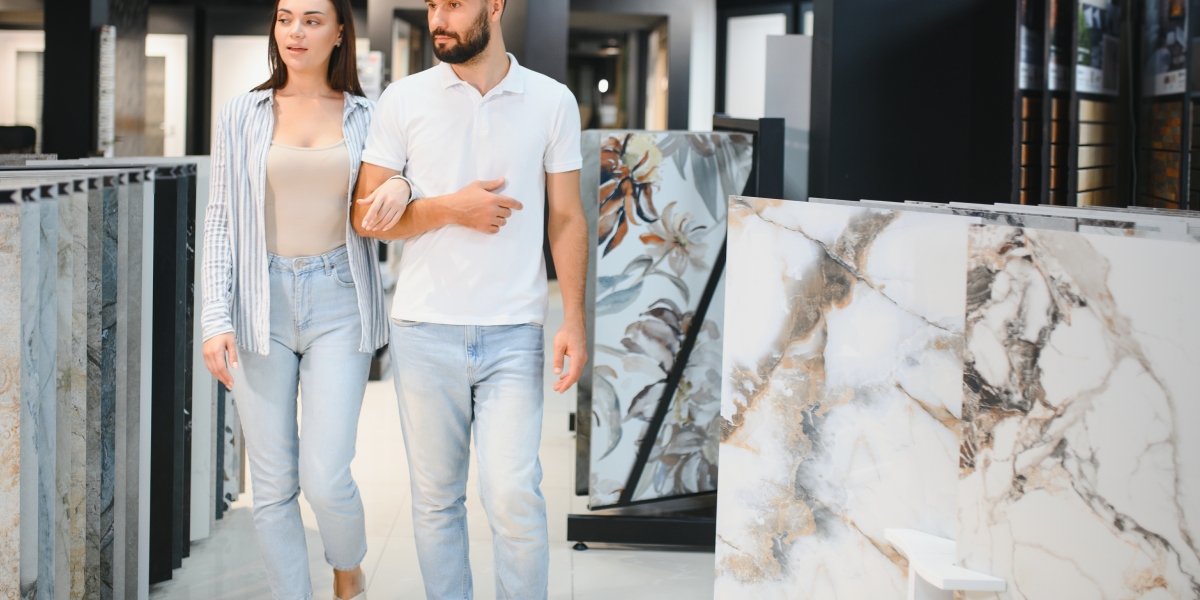

Interior design is increasingly focused on combining durability with visual character. Flooring, walls, kitchens, bathrooms, and feature areas can all benefit from materials that offer both practical performance and a distinctive appearance. A decorative porcelain tile is one option that has gained attention because it combines the strength associated with porcelain with patterns, textures, colors, and finishes designed to make interiors more visually engaging.
Standard tiles can provide reliable coverage and practical functionality, but decorative porcelain options are often selected when aesthetics are equally important. Understanding the differences between these tile categories can make it easier to determine which option suits a particular space.
The distinction is not simply about appearance. Manufacturing methods, density, water absorption, durability, maintenance, design flexibility, and application requirements can all influence how decorative porcelain tiles perform compared with standard tile products.
Understanding Porcelain Tiles
Porcelain tiles are generally produced from carefully selected clay and mineral materials that are processed under high pressure and fired at high temperatures. This manufacturing process creates a dense and relatively low-porosity material.
Their density is one of the characteristics that makes porcelain suitable for a wide range of interior and architectural applications. The material can resist moisture penetration and handle regular use effectively when the appropriate product is selected and correctly installed.
Standard ceramic tiles may use different compositions and firing processes, resulting in different levels of density and water absorption. This does not mean that standard ceramic tiles are unsuitable or inferior for every application. Rather, each tile category has characteristics that make it appropriate for particular environments.
Decorative porcelain takes the performance characteristics of porcelain and combines them with design-focused surfaces.
What Defines a Decorative Porcelain Tile?
The primary difference is often the emphasis placed on surface design. A decorative porcelain tile can feature detailed patterns, realistic material reproductions, geometric compositions, textured surfaces, artistic motifs, or carefully developed color combinations.
Modern manufacturing technologies allow designs to be applied with considerable precision. Tile surfaces can replicate the appearance of materials such as natural stone, wood, concrete, marble, or other decorative finishes while maintaining the underlying characteristics of porcelain.
Some designs are subtle and understated, while others are intended to become the visual focal point of a room.
This flexibility makes decorative porcelain useful for homeowners and designers who want surfaces to contribute actively to an interior concept rather than simply provide a functional covering.
Durability and Density
One of the important distinctions between porcelain and many conventional tile options is material density.
Porcelain is known for its dense composition, which can contribute to resistance against moisture and everyday wear. This makes it suitable for areas that experience frequent use or exposure to humidity, provided the selected product is appropriate for the intended application.
Decorative designs do not necessarily compromise this underlying material performance. The decorative surface is developed as part of the manufacturing process, allowing the tile to combine visual appeal with the functional characteristics expected from porcelain.
However, durability depends on more than the word "porcelain" on a product description. Factors such as thickness, surface finish, intended use, installation quality, and product specifications should always be considered.
Water Resistance and Moisture-Prone Areas
Bathrooms, kitchens, utility areas, and other moisture-exposed spaces require surfaces that can handle regular contact with water.
The low porosity associated with porcelain makes it a practical choice for many such environments. Properly installed porcelain surfaces can help create a durable finish that is easier to manage in humid areas.
Decorative porcelain can therefore bring visual interest to spaces where homeowners might otherwise choose plain surfaces.
For example, patterned wall tiles can create an accent wall in a bathroom, while marble-effect porcelain can introduce a sophisticated appearance without relying exclusively on natural stone.
The suitability of a particular tile still depends on its technical specifications. Floor and wall applications should be assessed separately, especially when slip resistance and surface texture are important considerations.
Greater Design Flexibility
Standard tiles can certainly be attractive, but decorative porcelain products often provide a broader range of visual possibilities.
Designers can choose from geometric patterns, botanical-inspired motifs, abstract compositions, stone effects, terrazzo-inspired surfaces, wood appearances, and numerous other visual treatments.
This allows tiles to become an important component of an interior design scheme.
Instead of using furniture, artwork, and accessories as the only sources of visual character, the surface itself can contribute to the identity of the room.
For example, a restrained furniture arrangement can be complemented by a patterned feature wall. Similarly, a minimalist bathroom can gain depth through a textured porcelain surface.
Consistency of Appearance
Natural materials often contain variations in color, grain, veining, and texture. While these differences can be desirable, achieving a consistent appearance across a large area may be challenging.
Decorative porcelain products can reproduce the visual characteristics of natural materials while offering greater manufacturing consistency.
This can be particularly useful for large residential or commercial interiors where designers want a coordinated appearance.
Some porcelain collections also use multiple printed patterns or variations to avoid an overly repetitive appearance. When installed thoughtfully, these variations can create a more natural-looking surface while maintaining overall design cohesion.
Maintenance Considerations
Ease of maintenance is another important consideration when selecting a surface material.
Porcelain generally has a dense surface that can be relatively easy to clean when properly installed and maintained. Routine cleaning can help remove dust, spills, and everyday surface dirt.
Decorative tiles should still be evaluated according to their specific finish. Highly textured surfaces may require more attention than smooth ones because dirt can settle into recessed areas.
Grout also plays an important role in maintenance. Even a high-quality tile installation can look poorly maintained if grout lines are neglected.
Selecting suitable cleaning products and following the manufacturer's care recommendations can help preserve the appearance of decorative surfaces over time.
Decorative Porcelain Versus Standard Tiles
The difference becomes easier to understand when comparing the characteristics directly.
Standard tiles are often selected for straightforward applications where practicality, affordability, and simplicity are major considerations. They can provide clean and functional surfaces without becoming a major visual feature.
Decorative porcelain, on the other hand, is often chosen when the surface itself needs to contribute to the design.
The distinction can therefore be summarized through several considerations:
Material performance: Porcelain is typically dense and low in porosity.
Visual variety: Decorative options can provide patterns, textures, and realistic material effects.
Design role: Decorative tiles can function as focal points rather than purely functional surfaces.
Maintenance: Properly selected porcelain surfaces can offer practical everyday maintenance.
Application: Different products are designed for specific wall, floor, indoor, or outdoor requirements.
Neither category is universally better. The appropriate choice depends on the project's objectives.
Choosing Tiles for Contemporary Interiors
Contemporary interiors often depend on careful coordination between surfaces, furniture, lighting, and architectural details.
Tiles can establish a visual foundation for this design approach. A patterned porcelain surface can introduce personality, while a neutral tile can provide a quiet background for statement furniture.
When planning a room, consider the relationship between tile scale and furniture dimensions. Large-format tiles can make an open room feel visually continuous, while smaller patterned tiles may work better as accents.
Color should also be evaluated under the room's actual lighting conditions. A tile that appears subtle under showroom lighting may look significantly different in natural daylight or warm artificial light.
Visiting a modern furniture showroom can also provide useful inspiration when planning the relationship between furniture and architectural finishes. Seeing furniture arrangements alongside contemporary material palettes can help homeowners understand how flooring and wall surfaces may interact with sofas, tables, cabinets, lighting, and accessories.
Creating Feature Walls
One of the most effective uses of decorative porcelain is the feature wall.
Rather than covering every wall with an elaborate pattern, homeowners can use decorative tiles selectively to create emphasis.
A feature wall behind a television, bed, bathroom vanity, kitchen counter, or entrance area can establish a strong focal point.
The remaining surfaces can remain relatively simple, allowing the decorative area to stand out without making the room feel visually crowded.
This approach is particularly useful for homeowners who want a distinctive interior while maintaining a sense of balance.
Using Porcelain in Bathrooms
Bathrooms provide numerous opportunities for decorative surfaces.
A patterned tile can create a striking shower wall, while a subtle stone-effect porcelain can establish a calm and sophisticated backdrop.
Floor and wall surfaces can also be coordinated without being identical. For instance, a bathroom may use a lightly textured floor tile with a more decorative wall design.
Slip resistance should receive particular attention for bathroom floors. A visually appealing tile must also provide an appropriate level of traction for its intended environment.
Grout color can further influence the finished appearance. A contrasting grout emphasizes individual tile shapes, while a closely matched grout can create a more continuous surface.
Considering Installation Requirements
Even the highest-quality tile can produce disappointing results if installation is poorly executed.
The substrate must be properly prepared, tiles must be aligned correctly, and suitable adhesives and grout should be used for the application.
Patterned tiles require additional planning because alignment and repeat patterns can strongly affect the finished appearance.
Large-format porcelain products may also require specialized handling because their size and weight can make installation more demanding.
Professional installation can help reduce issues such as uneven surfaces, inconsistent joints, lippage, or pattern misalignment.
Before purchasing, it is useful to discuss installation requirements with an experienced tile professional.
Looking Beyond Initial Cost
Price is an important part of any renovation decision, but the cheapest material is not necessarily the most economical over its lifetime.
Consider durability, maintenance, replacement requirements, installation complexity, and the expected lifespan of the surface.
Decorative porcelain can provide both visual and functional value, particularly when it eliminates the need for additional decorative treatments.
For example, a carefully selected feature wall may provide enough visual impact that fewer decorative accessories are needed.
The best choice is ultimately one that fits the project's budget while meeting the desired standards for performance and appearance.
Coordinating Tiles With Furniture
Furniture and tiles should be selected as parts of the same interior concept.
If the furniture has strong patterns or elaborate detailing, a restrained tile surface may provide balance. Conversely, simple furniture can allow a decorative wall or floor to become a statement feature.
Consider color temperature as well. Warm wood finishes can pair naturally with earthy tile tones, while cooler furniture palettes may work well with gray, white, or muted surfaces.
Scale is equally important. Large furniture pieces can be balanced with large-format tiles, while smaller decorative tiles may create visual rhythm in compact areas.
The objective is to create relationships between surfaces rather than making every element compete for attention.
Final Thought
A decorative porcelain tile differs from standard tile primarily through its combination of porcelain's practical characteristics with a stronger emphasis on visual design. Its density, moisture resistance, durability potential, design variety, and ability to reproduce sophisticated material effects make it a versatile choice for modern residential interiors.
However, choosing the right tile requires more than selecting an attractive pattern. Homeowners should consider the room's purpose, dimensions, lighting, maintenance requirements, installation conditions, safety characteristics, and relationship with furniture and other finishes.
When these factors are considered together, decorative porcelain can transform ordinary walls and floors into meaningful elements of the interior design, creating spaces that are both functional and visually distinctive.