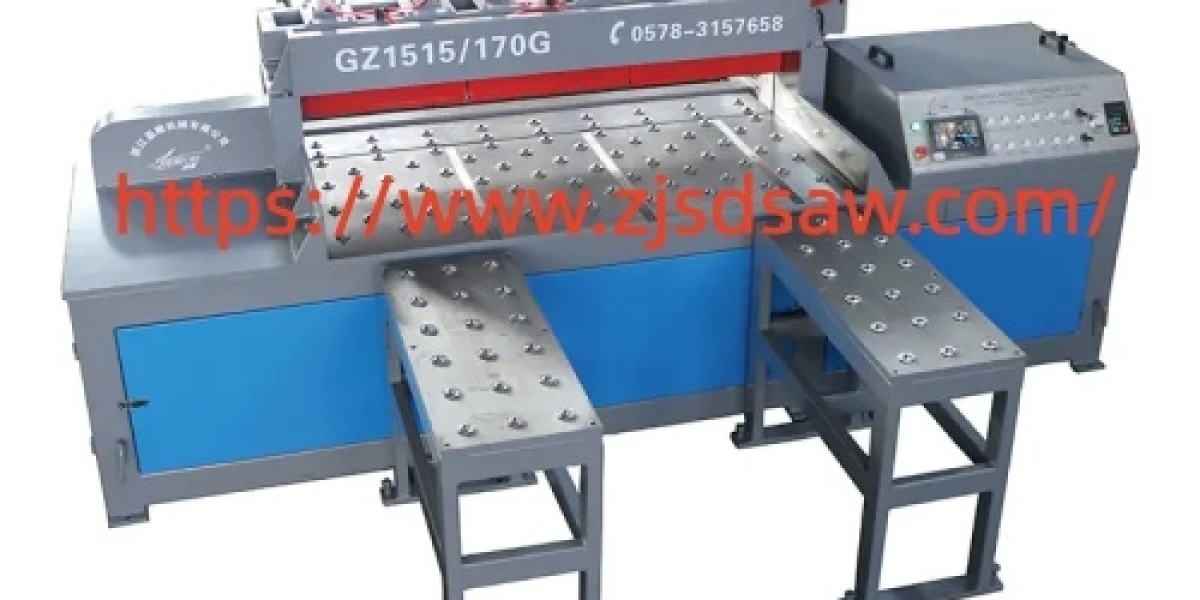

Aluminum Plate Cutting Circular Saw Machine selection should not begin with the machine itself. The blade deserves equal attention because its tooth design, material, geometry, and chip handling characteristics can influence edge quality, feed behavior, noise, heat generation, and tool service life. For manufacturers processing different alloy grades or thicknesses, understanding these details can make equipment discussions much more practical.
The first feature to review is tooth material. Carbide tipped designs are commonly used for non ferrous materials because carbide can maintain a suitable cutting edge under demanding operating conditions. The correct grade still depends on the application. Buyers should discuss the alloy type, thickness, expected production volume, and operating speed with the equipment supplier before deciding on a specific configuration.
Tooth count is another important factor. A blade with fewer teeth provides larger spaces between individual teeth, giving chips more room to leave the working area. A higher tooth count can provide a finer interaction with the workpiece, but excessive tooth density may reduce chip clearance and increase heat buildup under unsuitable conditions.
The right balance depends on the thickness and form of the material. Different aluminum sections can require different tooth arrangements, so using one blade specification across every application may not produce the same working results. Buyers should consider the actual material range handled in their workshop before selecting a blade.
Rake angle also deserves attention. This angle affects how each tooth enters the material and how forces are transferred during processing. A suitable geometry can help control chip formation and reduce unwanted resistance. However, the appropriate value depends on blade construction, material condition, equipment speed, and feed movement.
Tooth shape is closely related to this issue. Designs intended for non ferrous materials can use specialized geometries that provide room for chip removal while maintaining a stable edge. Some applications use triple chip grind arrangements, while others may require a different profile according to thickness and surface requirements.
Chip clearance should never be overlooked. Aluminum can produce chips that are more likely to stick when operating conditions are unsuitable. If the spaces between teeth cannot carry chips away efficiently, material can accumulate around the working area. This may increase friction, heat, vibration, and wear.
Blade diameter and body rigidity are also connected with processing stability. A larger blade may provide useful support for certain applications, but its size needs to match spindle speed, available power, worktable dimensions, and the intended workpiece range. The blade should also be installed and maintained according to the equipment manufacturers recommendations.
Feed movement matters just as much as blade selection. A suitable blade can still produce inconsistent results if the feed is too aggressive or too slow for the selected configuration. Coordinating blade geometry, rotational speed, and feed conditions can help control burr formation, overheating, sticking, and unnecessary blade wear.
Workpiece support is another consideration. Large plates or thick sections can move when they are not properly supported. Stable positioning helps the blade maintain its intended path and can reduce vibration during processing. Chendiao equipment includes clamping and worktable arrangements designed around practical handling requirements, including pneumatic clamping and universal ball lifting on selected models.
Automatic Band Saw Machine equipment can also be considered when a workshop handles varied metal sections and needs a flexible cutting arrangement. The appropriate choice depends on material dimensions, production volume, required angles, and the overall workflow.
Lubrication and cooling should also be discussed before purchase. The suitable method depends on the alloy, operating speed, blade characteristics, and production environment. Proper thermal management can help prevent excessive heat around the tooth area and support stable operation during repeated production cycles.
Chip collection deserves attention as well. Processing generates chips that need to be removed from the working area. A suitable collection arrangement can make cleanup easier and reduce accumulation around moving components. Buyers should consider how chips will be handled from the beginning of the production process.
Another useful point is blade replacement. Manufacturers should ask how frequently blades may require inspection, how replacement is performed, and whether the selected configuration allows operators to complete routine service without excessive downtime. Easy access to maintenance areas can make daily management more convenient.
Production volume should influence the decision too. A workshop handling occasional custom orders may have different requirements from a facility processing repeated batches throughout the day. When production changes frequently, adjustable feed settings and practical control functions can become especially useful.
Chendiao offers equipment designed for aluminum alloy processing, including configurations with servo feeding, pneumatic clamping, and material support systems. Such functions can help manufacturers organize repeated processing tasks while keeping workpiece handling within a structured production process.
A useful purchasing process starts with actual production information. Buyers can prepare alloy grades, thickness ranges, workpiece dimensions, required edge conditions, daily quantities, and preferred handling methods. This information gives the manufacturer a clearer basis for discussing blade configuration and equipment setup.
Blade selection should therefore be viewed as part of a complete production system rather than an isolated purchasing decision. Tooth geometry, tooth count, rake angle, chip space, feed movement, clamping, cooling, and maintenance all interact during operation.
Manufacturers comparing equipment for aluminum alloy processing can review the available solutions from Chendiao and consider how different configurations fit their production requirements. Product information and equipment options are available at https://www.zjsdsaw.com/product/ for buyers preparing their next processing project.