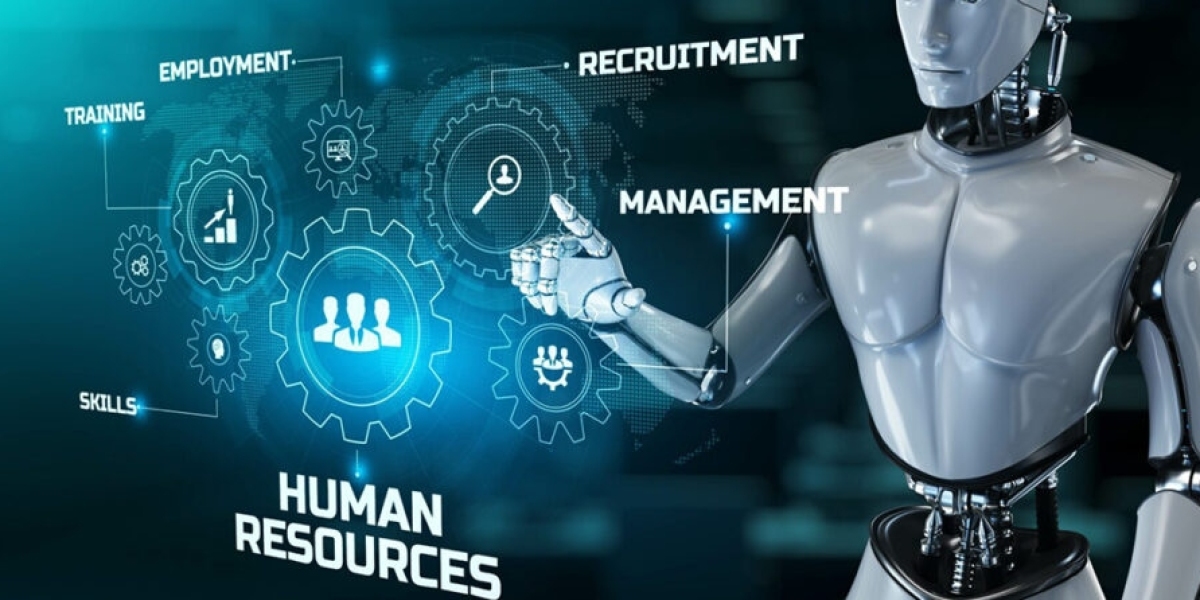

Human resources decisions can influence recruitment, employee development, workforce planning, performance, and organisational growth. Yet making good decisions can be difficult when HR teams are working with incomplete information, outdated records, or data spread across different systems. Modern businesses increasingly use technology to organise workforce information and support more informed choices.
HR Technology & Automation can improve HR decision-making by making relevant information easier to collect, organise, analyse, and access. Automation can also reduce repetitive administrative work, giving HR professionals more time to focus on situations that require judgement and human understanding. However, technology should support decision-making rather than replace professional judgement.
What Is HR Technology & Automation?
HR Technology & Automation refers to digital systems and automated processes that help organisations manage different HR activities. These may include recruitment, employee records, onboarding, attendance, leave, performance management, training, workforce planning, and reporting.
Depending on the organisation, HR technology may provide:
Employee information systems
Recruitment platforms
Digital onboarding
Performance management tools
Workforce analytics
Automated notifications
Reporting dashboards
Employee self-service features
The most useful solution depends on an organisation's size, workforce, processes, and specific objectives.
Why Do Better HR Decisions Matter?
HR decisions can affect both employees and business performance. Hiring the wrong candidate, overlooking a skills gap, failing to identify workforce needs, or providing unsuitable development opportunities can create unnecessary challenges.
Better decisions require relevant and reliable information. HR teams need to understand what is happening within the workforce before deciding what action may be appropriate. Technology can help provide that information in a more organised way.
Can HR Technology & Automation Improve HR Decisions?
Yes, HR Technology & Automation can support better HR decisions by improving access to workforce data, reducing administrative errors, identifying trends, and making routine information easier to analyse. However, technology cannot determine the right decision in every situation.
Human judgement remains important because HR decisions can involve context, individual circumstances, communication, fairness, and organisational culture.
1. Provides Better Access to Employee Data
HR decisions are easier to make when relevant employee information is accessible to authorised users. Digital HR systems can organise information such as roles, skills, training records, performance information, and employment history.
Having structured information in one place can help HR professionals spend less time searching for records and more time interpreting useful information.
2. Reduces Administrative Errors
Manual data entry can create incorrect or inconsistent information. Even small errors can affect reports and potentially influence decisions.
HR Technology & Automation can reduce some repetitive manual tasks and introduce structured processes. This can improve data consistency and provide HR teams with more dependable information.
3. Helps Identify Workforce Trends
HR technology can help organisations analyse workforce information over time. Depending on the system, HR teams may identify patterns involving recruitment, turnover, absenteeism, training participation, or employee development.
Recognising trends can encourage organisations to investigate underlying causes and make more informed workforce decisions.
4. Supports Recruitment Decisions
Recruitment decisions require organisations to compare candidates against role requirements and relevant selection criteria. Recruitment technology can help organise applications, candidate information, interview stages, and recruitment data.
Technology can make the process more structured, but hiring decisions should still involve appropriate human review and consideration of relevant evidence.
5. Improves Workforce Planning
Workforce planning involves understanding current capabilities and anticipating future requirements. HR technology can help organisations examine employee numbers, skills, roles, and other workforce information.
This can help HR teams identify potential gaps and consider whether recruitment, training, internal mobility, or other approaches may be appropriate.
6. Makes Performance Information Easier to Review
Performance information can become difficult to manage when records are stored across different documents or systems.
Digital performance management tools can provide structured information about objectives, feedback, reviews, and development discussions. This can help managers have more informed conversations about employee performance.
7. Supports Skills Gap Identification
Businesses may need to identify which skills they have today and which capabilities they may need in the future. HR Technology & Automation can help organise information about employee skills, qualifications, experience, and training.
This can support decisions about learning and development or recruitment, although skill assessments should be accurate and regularly updated.

8. Helps Analyse Employee Turnover
High employee turnover can create recruitment costs, workload pressures, and knowledge loss. HR analytics can help organisations examine turnover patterns and identify areas that may require further investigation.
For example, HR teams may compare turnover across departments, roles, or time periods. The data does not automatically explain why employees leave, but it can highlight where further questions should be asked.
9. Supports Training Decisions
Training resources should be directed toward genuine employee and organisational needs. HR technology can help track completed training, development activities, skills, and learning requirements.
This information can help organisations consider which areas may need additional development and whether training programmes are reaching the intended employees.
10. Improves Decision-Making Speed
Searching through spreadsheets, emails, and paper records can slow down HR processes. Automated workflows and centralised systems can make relevant information easier to retrieve.
Faster access to information can help managers respond more efficiently, particularly when routine decisions require current employee data.
11. Provides Real-Time or Updated Information
Some HR platforms provide dashboards that display recently updated workforce information. Having current information can be useful when managers need to understand changing workforce conditions.
However, businesses should still check whether data is complete and accurate before using it as the basis for important decisions.
12. Supports Employee Absence Decisions
Absence information can help organisations understand workforce availability and identify recurring patterns. HR systems can make absence records easier to organise and analyse.
The purpose should be to understand workforce needs and identify appropriate support or process improvements rather than making assumptions about individual employees.
13. Helps Compare Business Needs With Workforce Capacity
Organisations need to balance business requirements with available employee capabilities. HR technology can help managers examine workforce numbers, roles, skills, and other relevant information.
This can support discussions about resource allocation, recruitment, restructuring, development, and future workforce requirements.
14. Reduces Repetitive HR Work
Automation can handle certain routine tasks such as reminders, notifications, approvals, form processing, and workflow updates.
Reducing repetitive administrative work can give HR professionals more time to investigate complex issues, communicate with employees, and make decisions requiring professional judgement.
15. Supports Data-Driven HR Planning
Data can provide useful evidence for HR planning. Instead of relying entirely on assumptions, HR teams can review workforce information and use relevant trends to support their planning.
HR Technology & Automation can make this process more efficient by bringing together information from different HR activities where appropriate.
16. Helps Monitor Recruitment Performance
Recruitment data can reveal how long vacancies remain open, where candidates come from, how many applicants progress through different stages, and other useful measures.
Reviewing this information can help HR teams identify potential recruitment bottlenecks and consider ways to improve the hiring process.
17. Supports Better Resource Allocation
HR resources are limited, so organisations need to decide where attention and investment are most valuable. Workforce data can help identify areas experiencing recruitment pressure, skills shortages, training needs, or other challenges.
This can support more informed decisions about where HR resources should be focused.
18. Encourages Consistent Processes
Different managers may otherwise handle similar HR processes differently. Technology can provide standard workflows and predefined processes that encourage greater consistency.
Consistency can make HR decisions easier to review and can help organisations identify where exceptions or additional investigation may be necessary.
19. Supports Scenario Planning
Some HR technology can help organisations examine workforce information under different scenarios. For example, managers may consider how changes in workforce size or skills could affect future requirements.
Scenario planning cannot predict the future with certainty, but it can help organisations think through different possibilities before making strategic decisions.
20. Combines Data With Human Judgement
Technology is most valuable when it supports professional HR judgement. Data can highlight patterns, but it may not explain the personal or organisational context behind those patterns.
HR professionals should therefore use technology as an evidence source while considering employee circumstances, business objectives, fairness, communication, and relevant policies.
Common HR Technology & Automation Mistakes
Businesses can reduce the value of technology when they:
Rely on inaccurate or outdated data
Automate poorly designed processes
Ignore unusual results or system alerts
Use technology without training employees
Treat analytics as unquestionable facts
Fail to protect employee information
Remove human review from sensitive decisions
Collect large amounts of data without a clear purpose
Technology works best when it is supported by reliable processes and responsible human oversight.
How to Use HR Technology & Automation for Better Decisions
Businesses should first identify which HR decisions are currently difficult because of limited information, slow processes, or inconsistent records. They can then select technology that addresses those specific challenges.
Useful approaches may include:
Centralising relevant employee information
Creating reliable data-management processes
Automating appropriate routine tasks
Using workforce dashboards
Reviewing HR trends regularly
Training managers to interpret HR information
Maintaining appropriate human oversight
The objective should be better-informed decisions rather than simply using more technology.
Why Regular Data Reviews Matter
Even the best HR system can produce poor information if its underlying data is outdated or incomplete. Employees change roles, acquire new skills, leave the organisation, and update their information.
Regular reviews can help identify missing records, outdated information, duplicate entries, and other data-quality problems. Reliable data is essential if HR technology is going to support meaningful decisions.
Final Thoughts
HR Technology & Automation can improve HR decisions by making workforce information easier to access, organise, analyse, and use. It can also reduce repetitive administrative work and support more consistent HR processes.
However, technology should not replace human judgement. HR decisions often require context, communication, fairness, and an understanding of individual circumstances that data alone cannot provide.
Businesses should focus on using technology where it genuinely improves information quality and decision-making efficiency. Regular data reviews, employee training, appropriate security, and human oversight are equally important.
When implemented thoughtfully, HR Technology & Automation can give HR teams a stronger foundation for informed workforce decisions while allowing professionals to focus on the human side of human resources.