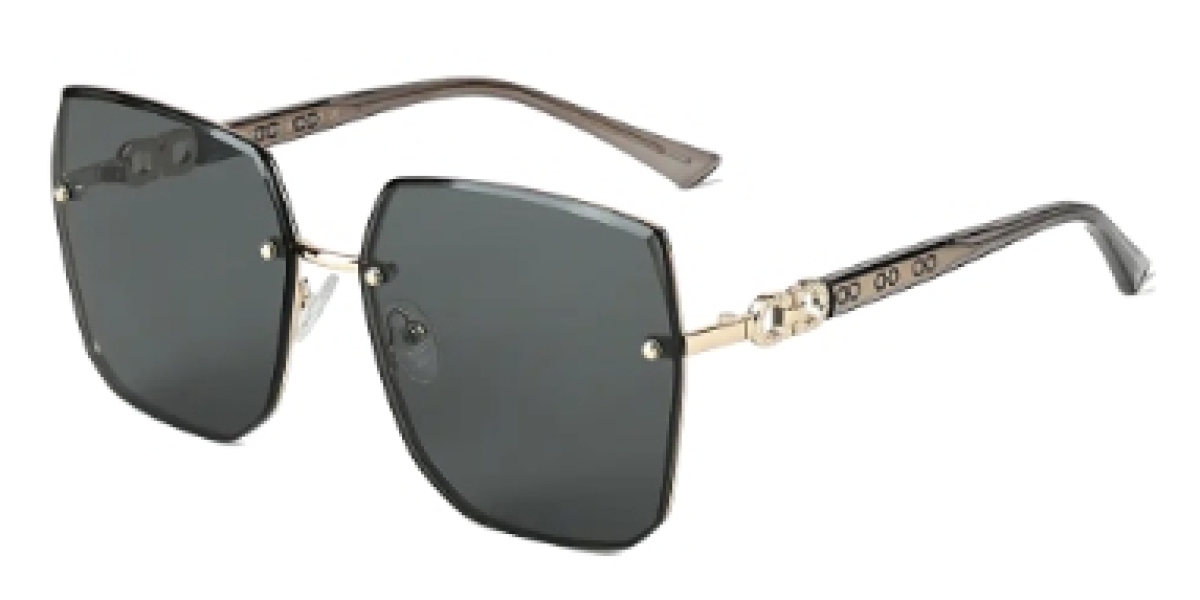

Frame proportions have a strong influence on the appearance and wearing experience of modern eyewear. When brands develop Wide Frame Square Sunglasses, they often seek a distinctive silhouette that combines fashion appeal with practical comfort. Producing this type of eyewear requires careful attention to frame geometry, material selection, lens integration, surface finishing, and manufacturing consistency.
Square frames are recognized for their defined corners and structured visual appearance. A wider construction can make these characteristics more noticeable, creating a bold and expressive style. However, broader proportions also create additional technical considerations. The frame front, bridge, temples, hinges, and lens openings must be designed as a coordinated structure so that the final product remains balanced.
Material selection is an important part of this process. Acetate can support layered colors, transparent effects, patterns, and polished surfaces. Metal can create a slimmer and more refined visual direction, while flexible materials such as TR90 may support designs that emphasize adaptability and lightweight construction. Each material has different processing characteristics and should be selected according to the design concept and target market.
Lens integration requires particular attention in larger frame designs. Lens openings must correspond accurately with the frame geometry, while cutting, edging, installation, and alignment need to be controlled carefully. Inconsistent lens positioning can affect the visual presentation of the finished product. Manufacturers should therefore coordinate lens processing and frame assembly as connected stages rather than treating them as separate operations.
Comfort is another important consideration. A larger frame front can influence how weight and pressure are distributed when the eyewear is worn. Bridge construction, temple shape, hinge positioning, and overall balance may all affect the wearing experience. Designers and manufacturers should evaluate these elements together to ensure that the product offers both a strong appearance and practical usability.
Modern production technology can support more consistent development. Computer-aided design allows manufacturers to refine frame proportions and identify potential production challenges before physical samples are made. Precision equipment can then support cutting, forming, drilling, polishing, and assembly. Skilled technicians remain important for detailed adjustment, finishing, and final quality evaluation.
Surface finishing has a noticeable influence on fashion-oriented eyewear. Smooth edges, consistent polishing, clean color application, and carefully controlled textures contribute to the perceived quality of a frame. These details should be monitored throughout production, especially when a collection includes multiple materials, colors, or decorative treatments.
Customization provides additional opportunities for private-label brands. Buyers may request particular frame colors, material combinations, lens appearances, logo placements, temple details, or packaging solutions. A capable manufacturer can coordinate these requirements during the development stage and evaluate their compatibility with existing production processes. This helps ensure that customized designs remain practical to manufacture.
Clear communication is essential during international product development. Buyers may provide sketches, reference samples, photographs, digital files, or color references. Production teams need to translate these materials into clear and accurate manufacturing instructions. Organized communication can reduce misunderstandings and make sampling, approval, and mass production more efficient.
Market positioning should also influence the final design direction. A broad square silhouette can be developed with neutral colors and simple surfaces for a minimalist collection, or with bold patterns and decorative details for a more expressive fashion range. The same basic shape can therefore serve different customer groups when materials, colors, and finishing methods are adjusted appropriately.
Quality control should be integrated throughout the manufacturing cycle. Incoming materials can be inspected before processing, while components should be checked during production and assembly. Finished eyewear can then be reviewed for frame alignment, lens installation, surface consistency, and general workmanship. This approach helps identify potential issues before products are packaged and shipped.
When evaluating Wide Frame Square Sunglasses, international buyers should look beyond the appearance of the frame and assess the manufacturer's complete capabilities. Material expertise, design support, production technology, customization, finishing quality, inspection procedures, and communication all contribute to a dependable sourcing relationship.
Long-term collection development also benefits from consistent production standards. Once a brand establishes preferred materials, design references, finishing expectations, and inspection requirements, these guidelines can support future product releases. This allows new shapes and colors to be introduced while maintaining continuity across the wider eyewear collection.
For brands and distributors seeking professional support for contemporary eyewear development, https://www.kaiziglasses.com/product/sunglasses/ provides access to KAIZI's product solutions and manufacturing capabilities for international eyewear markets.