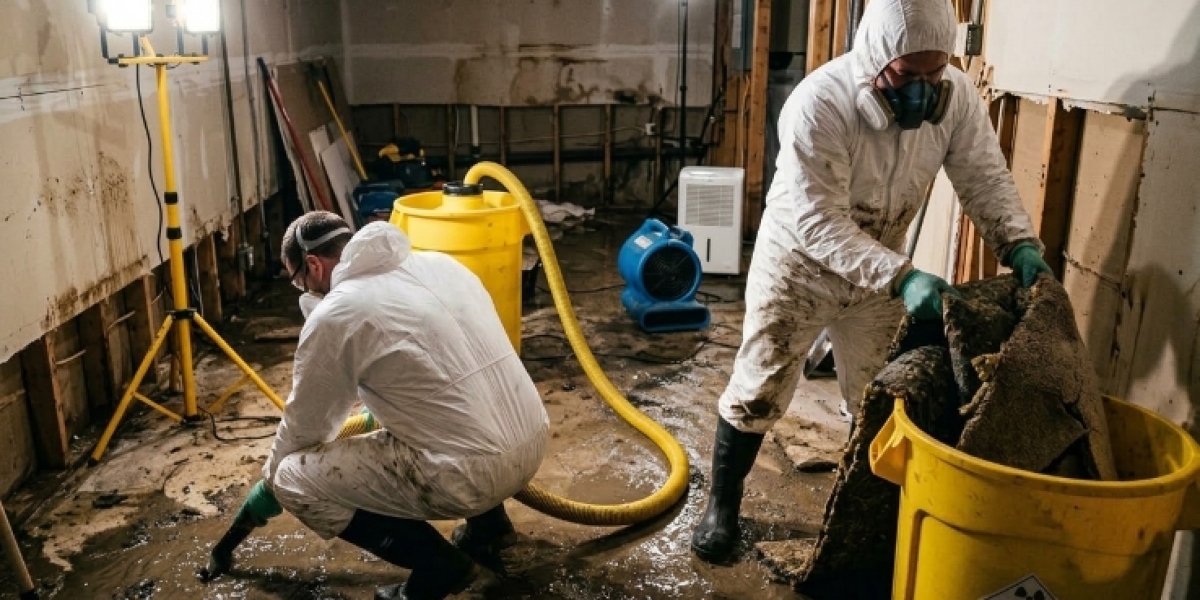

Water damage does not automatically mean everything in a property must be replaced. Some materials can be dried and restored when action is taken quickly, while others become too damaged or contaminated to keep. The key is understanding what happened, how long the material stayed wet, and what type of water caused the damage.
Professionals look at several conditions before deciding whether a damaged material can be saved. They consider the material itself, moisture levels, contamination, structural condition, and how far the damage has spread. Making that decision correctly can prevent unnecessary replacement while also avoiding unsafe repairs.
The Type of Material Makes a Major Difference
Different building materials react to water in very different ways. Hard, non-porous surfaces may tolerate brief exposure better than materials that absorb and hold moisture.
Drywall, insulation, carpet padding, and some wood products can become difficult to restore after extended exposure. On the other hand, certain solid materials may have a better chance of being dried successfully when damage is caught early.
This is why professionals inspect each affected material instead of treating the entire room the same way.
Porous Materials Often Hold More Moisture
Materials with open spaces can absorb water deep below the surface. That trapped moisture can slow drying and create conditions for odors, swelling, deterioration, or microbial growth.
A surface may feel dry while moisture remains deeper inside. Professionals use moisture readings to determine whether the material has actually dried enough for continued use.
How Long the Material Stayed Wet Matters
Timing can strongly affect whether a damaged material can be restored. Water that is removed quickly gives many materials a better chance of drying before permanent damage develops.
Extended exposure can lead to swelling, warping, staining, delamination, and material breakdown. The longer moisture remains trapped, the more difficult restoration can become.
Professionals therefore look at when the incident happened and how quickly extraction and drying began.
The Source of the Water Changes the Decision
Not all water damage carries the same level of risk. Clean water from a supply line is very different from water that has passed through a contaminated area.
Sewage, floodwater, and other heavily contaminated sources can introduce microorganisms and harmful contaminants into porous materials. In those cases, cleaning may not be enough to make the material suitable for continued use.
The source helps determine whether drying, cleaning, disinfection, or removal is the more appropriate response.
Sewage Exposure Can Make Some Materials Unsafe to Keep
Sewage can contain bacteria, organic waste, chemicals, and other contaminants. Porous materials that absorb this type of water may be difficult to clean thoroughly.
Carpet padding, heavily saturated drywall, insulation, and other absorbent materials may require removal when contamination is severe.
This is one reason water & sewage damage repair requires more than simply removing standing water. The condition and contamination level of each material must be considered before restoration begins.
Moisture Depth Can Reveal Hidden Damage
Water does not always stay near the surface. It can move into subfloors, wall cavities, insulation, trim, and other concealed spaces.
Professionals use moisture meters and other inspection methods to determine how deeply water has traveled. This helps reveal whether a material only needs surface drying or has absorbed enough moisture to require further treatment.
Hidden moisture is especially important because it can continue causing damage after the visible water is gone.
Structural Condition Determines More Than Appearance
A material may look acceptable but still have weakened internal areas. Water can affect wood framing, flooring systems, drywall connections, and other structural components in ways that are not obvious at first glance.
Professionals inspect for soft spots, swelling, distortion, separation, and other signs of material failure.
The decision to save something should be based on its actual condition, not just whether it still looks presentable.
Wood Can Sometimes Be Dried Instead of Replaced
Wood is often one of the materials that requires careful evaluation. Some wood components can be dried successfully when exposure is limited and the structural condition remains sound.
However, prolonged moisture can cause swelling, warping, splitting, staining, or decay. Engineered wood products may also react differently from solid wood.
Professionals measure moisture and inspect the affected area before deciding whether drying and stabilization are realistic.
Drywall May Need Selective Removal
Drywall can absorb water quickly, especially along its lower sections. Once saturated, it may swell, soften, lose strength, or develop other signs of damage.
In some situations, limited sections can be removed while unaffected areas remain intact. This can reduce unnecessary demolition and allow drying to focus on the actual affected areas.
The decision depends on the amount of absorption, contamination level, condition of the board, and whether the wall cavity was affected.
Flooring Requires a Closer Look Than the Surface Shows
Water can get beneath flooring materials and remain trapped underneath. Hardwood, laminate, vinyl, carpet, and tile systems can all react differently depending on how water entered and where it traveled.
Professionals may inspect seams, subfloors, padding, adhesives, and edges rather than judging the floor from its surface alone.
A floor that looks normal can still have hidden moisture underneath, while visible damage does not always mean the entire floor needs replacement.
Insulation Is Difficult to Save After Heavy Saturation
Insulation can absorb moisture and remain damp inside wall cavities or ceilings. This creates a drying challenge because air cannot always reach the trapped material effectively.
When insulation becomes heavily saturated or contaminated, removal may be necessary. The decision depends on the type of insulation, the water source, the extent of exposure, and whether it can be dried properly.
Keeping wet insulation simply because it is hidden can allow moisture problems to continue behind finished surfaces.
Mold Growth Can Change the Restoration Plan
Mold can develop when wet materials remain damp long enough under suitable conditions. Once visible growth or strong signs of microbial growth are present, the restoration plan may need to change.
Professionals assess which materials are affected and whether they can be cleaned and dried safely. Materials that are porous, heavily contaminated, or structurally compromised may not be suitable for restoration.
The focus should be on removing the conditions that support continued growth, not just cleaning the visible surface.
Clean Drying Is Different From Simply Removing Water
Water extraction is only one part of the restoration process. Materials also need enough airflow, controlled humidity, and time to dry properly.
Professionals monitor moisture levels during drying rather than assuming a material is ready because the surface feels dry.
This step helps prevent hidden moisture from being left inside walls, flooring systems, cabinets, or other areas where it can create later problems.
Professionals Compare Damage Before Choosing Replacement
The decision is rarely based on one observation. Professionals compare the material type, water source, exposure time, moisture readings, contamination, and physical condition.
For example, a solid wood component exposed briefly to clean water may have a reasonable chance of restoration. A porous material saturated with sewage for an extended period may be far less suitable for saving.
This kind of comparison helps keep the repair plan practical while protecting the property from avoidable risks.
Selective Removal Can Reduce Unnecessary Damage
Not every damaged area needs to be demolished. In many cases, only the materials that cannot be safely restored are removed.
Selective removal can reduce repair costs, limit disruption, and preserve areas that remain structurally and functionally sound.
The important part is knowing where the affected zone ends. That requires proper inspection instead of cutting materials at random.
Drying Results Help Confirm What Can Stay
Once drying begins, moisture readings provide useful evidence about how materials are responding. A material that continues drying normally may have a better chance of being retained.
A material that remains heavily saturated despite controlled drying may need further evaluation or removal.
This ongoing assessment is important because restoration decisions can change as more of the building becomes accessible and measurable.
Final Inspection Helps Confirm the Restoration Decision
Before repairs are completed, professionals can reassess the affected areas to confirm that materials are adequately dry and that obvious signs of damage have been addressed.
This final review helps identify moisture that may still be trapped beneath flooring, inside walls, or around other hidden areas.
A successful restoration is not simply about making a room look normal again. The materials must also be stable, dry, and appropriate for continued use.
Conclusion
Whether water-damaged materials can be saved depends on much more than how they look. Professionals consider the material type, moisture depth, exposure time, contamination level, structural condition, and drying response before deciding what should stay or go.
That careful evaluation helps preserve materials that can realistically be restored while removing those that pose a continuing problem. Understanding the difference between water absorption and surface wetting also helps explain why some materials can hold moisture long after standing water has disappeared.