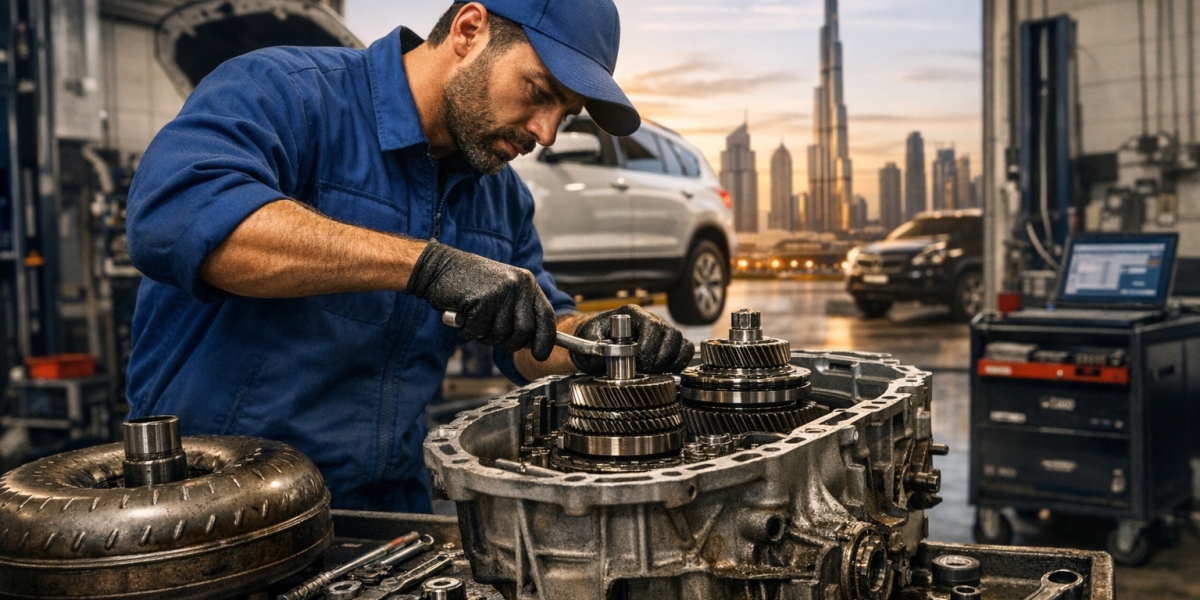

Dubai Car Maintenance Guides: A Complete Guide for Car Owners
Owning a car in Dubai is convenient, but keeping that car in good condition requires more than simply filling the fuel tank and visiting a garage when something goes wrong. Dubai’s combination of high temperatures, intense sunlight, dusty conditions, heavy traffic, and frequent stop-and-go driving can place additional demands on important vehicle systems. A sensible Dubai car maintenance routine helps identify small problems before they become expensive repairs, while also supporting reliable performance and safer everyday driving. Whether you drive a compact commuter car, an SUV, a European vehicle, or a luxury model, regular maintenance should be treated as part of normal car ownership rather than an occasional expense.
The most useful approach is to think about maintenance as a long-term investment. Engine oil, tyres, brakes, battery performance, air conditioning, cooling systems, fluids, suspension components, and electrical systems all deserve attention at appropriate intervals. Dubai motorists should also understand the difference between manufacturer-recommended maintenance and requirements connected with vehicle inspection and registration. The Roads and Transport Authority, or RTA, provides vehicle inspection and renewal services in Dubai, and its current guidance states that technical inspection can be required for registration, renewal, or export depending on the vehicle and service. A good maintenance plan therefore combines mechanical care with the administrative requirements of keeping a vehicle legally ready for the road.
Why Regular Car Maintenance Matters in Dubai
Regular maintenance matters because vehicles rarely develop serious problems without showing smaller warning signs first. A slightly unusual engine noise, slower air conditioning, uneven tyre wear, a weak battery, a vibration during braking, or a warning light can all be early signals that something needs attention. Ignoring these signs does not necessarily make the problem disappear; instead, a minor issue can sometimes place additional strain on other components. For example, poor cooling-system performance can affect engine temperature, while incorrect tyre pressure can contribute to uneven wear and reduced driving stability. A planned car service in Dubai gives technicians an opportunity to inspect these systems before a small concern turns into a major repair.
Maintenance is also about predictability. Nobody wants an unexpected breakdown during a busy working day, a long commute, or a trip across the city. By following a maintenance schedule, you can replace consumable items at sensible intervals instead of waiting until they fail completely. This is particularly useful for vehicles that spend significant time in traffic because extended idling and repeated acceleration and braking can create a different operating pattern from steady highway driving. The goal is simple: keep the vehicle operating as the manufacturer intended while identifying Dubai-specific concerns early.
How Dubai’s Climate Affects Vehicles
Dubai’s environment can be demanding for vehicles, particularly during the hotter months. High ambient temperatures can increase the workload placed on the cooling system and air-conditioning system, while strong sunlight and heat can affect exterior surfaces, rubber components, plastics, and the vehicle interior over time. Dust can also accumulate around filters, vents, engine-bay components, and other areas where cleanliness matters. These conditions do not mean that every vehicle will experience problems, but they do make preventive inspections particularly useful.
A practical Dubai maintenance routine should therefore give special attention to systems that directly influence heat management and daily comfort. The cooling system should be checked for leaks and proper operation, the AC should be inspected when cooling performance changes, and tyres should be checked regularly rather than only before long journeys. Battery condition is another area worth monitoring because high temperatures can shorten battery life. The exact maintenance interval should always depend on the vehicle manufacturer’s recommendations, driving conditions, mileage, and the vehicle’s age rather than on a single universal schedule.
Dubai Car Maintenance Schedule
A maintenance schedule gives car owners a simple framework for remembering what needs attention. The exact intervals vary by manufacturer, engine type, model year, mileage, and driving conditions, so the owner’s manual should remain the primary reference for service intervals. However, a general Dubai-focused routine can make maintenance easier to manage. Instead of thinking about every component at once, divide maintenance into daily, weekly, monthly, and scheduled service checks. This approach turns vehicle care into a manageable habit rather than a long list of tasks that gets forgotten.
Scheduled servicing should normally include the manufacturer’s recommended inspections and replacement intervals. Depending on the vehicle, this may include engine oil, filters, spark plugs, belts, fluids, brake components, transmission service, and other inspection points. Owners of premium or performance vehicles should pay particular attention to the manufacturer’s service requirements because specialized engines, transmissions, electronic systems, and suspension components can have specific maintenance needs. Keeping service records is also useful because it creates a history of what has been inspected or replaced.
Daily and Weekly Checks
Daily checks do not need to become complicated. Before driving, pay attention to warning lights, unusual sounds, obvious fluid leaks, tyre condition, and changes in braking or steering behavior. If the vehicle suddenly behaves differently from normal, it is sensible to have the issue assessed instead of assuming that it will correct itself. A quick visual inspection can sometimes identify a flat tyre, damaged light, loose component, or visible leak before the vehicle is driven farther.
Weekly checks can include tyre pressure, tyre condition, windscreen washer fluid, lights, and the general condition of the vehicle. Tyre pressure should be checked when the tyres are cold and adjusted according to the vehicle manufacturer’s recommended specification rather than a generic number. The same principle applies to fluids: use the specifications provided for the vehicle. These small checks take little time but can help prevent avoidable problems.
Monthly Maintenance Checks
Monthly checks can go a little deeper. Look for uneven tyre wear, signs of battery corrosion or deterioration, changes in engine performance, unusual vibrations, and changes in AC cooling. If you notice a fluid level repeatedly dropping, do not simply keep topping it up without finding out why. A recurring loss can indicate a leak or another mechanical issue that requires professional diagnosis.
It is also useful to review your service records once a month. Check when the last oil change, brake inspection, tyre replacement, battery replacement, and major scheduled service were completed. This simple habit prevents maintenance from becoming reactive. If the vehicle is approaching a manufacturer-recommended service interval, booking the inspection early can be much easier than waiting until the vehicle begins showing symptoms.
Engine Oil and Filter Maintenance
Engine oil is one of the most important consumables in a vehicle because it helps lubricate internal engine components and supports proper operation. Over time, oil can become contaminated or lose some of its intended properties, which is why manufacturers specify replacement intervals. The correct oil type and specification matter as much as the replacement interval, particularly for modern turbocharged, high-performance, and luxury engines.
Dubai drivers should not automatically assume that changing oil extremely frequently is necessary for every vehicle. Instead, follow the manufacturer’s service schedule and consider the vehicle’s actual operating conditions. Frequent short trips, heavy traffic, extended idling, high mileage, and demanding driving conditions may affect how maintenance should be approached. A professional auto repair Dubai workshop can inspect the vehicle and explain whether additional attention is appropriate.
When to Change Engine Oil
The correct engine-oil interval depends on the vehicle. Some manufacturers specify service intervals based primarily on mileage, while others use time, driving conditions, or an onboard maintenance system. Always check the owner’s manual or manufacturer guidance for the exact specification. If a vehicle has a service reminder, do not ignore it simply because the engine still feels normal.
During an oil service, the filter should also be considered because the filter is responsible for removing contaminants from the oil. A professional service should use the correct oil grade, quantity, and filter for the specific vehicle. Keeping invoices and service records is valuable, especially for vehicles that are leased, financed, under warranty, or likely to be sold later.
Car Battery Maintenance in Dubai
The battery plays a major role in starting the vehicle and supporting its electrical systems. A weak battery may first appear as slower starting, inconsistent electrical behavior, or warning messages, although some batteries can fail with little warning. Dubai’s high temperatures can be particularly demanding for automotive batteries, making regular testing a sensible part of preventive maintenance.
Battery maintenance should focus on condition rather than simply waiting for failure. During a service, technicians can check battery health, charging performance, terminals, and the vehicle’s electrical system. If a battery is approaching the end of its expected service life, testing can help determine whether replacement is necessary. Choosing the correct battery specification is important because modern vehicles can have sophisticated electrical systems and battery-management requirements.
Tyre Maintenance and Safety
Tyres are the vehicle’s only direct contact with the road, so their condition deserves consistent attention. A tyre can look acceptable at first glance while still having incorrect pressure, uneven wear, damage, or insufficient tread. Regular checks help detect these problems earlier. Drivers should inspect tyres for visible damage and unusual wear and should follow the vehicle manufacturer’s recommended pressure specifications.
Tyre maintenance also affects driving comfort and efficiency. Incorrect pressure can influence handling and wear patterns, while badly worn tyres can reduce the vehicle’s ability to perform safely in changing road conditions. When replacing tyres, choose the correct size, load rating, speed rating, and specification for the vehicle. Premium and performance vehicles can be particularly sensitive to tyre specifications, so it is important not to choose tyres based solely on price.
Tyre Pressure and Tread Checks
Tyre pressure should be checked regularly, particularly before long trips. Do not rely only on appearance because a tyre can lose pressure without looking obviously flat. Use the pressure information provided by the vehicle manufacturer, commonly found on the vehicle information label or in the owner’s manual.
Tread and wear patterns should also be monitored. Uneven wear may indicate alignment, suspension, inflation, or other issues rather than simply an old tyre. If one tyre is wearing differently from the others, having the complete system inspected can help identify the underlying cause. Rotations, balancing, and alignment should be performed according to the vehicle’s requirements and tyre condition.
Car AC Maintenance in Dubai
A working air-conditioning system is essential for everyday driving comfort in Dubai. The AC system operates under demanding conditions because drivers may use it extensively throughout the year, particularly during periods of high outdoor temperatures. When cooling becomes weaker, airflow drops, unusual smells appear, or the system takes longer than normal to cool the cabin, an inspection can help identify the cause.
AC maintenance is not simply about adding refrigerant. The system includes multiple components such as the compressor, condenser, evaporator, expansion device, blower, filters, electrical controls, and refrigerant circuit. If refrigerant is low, the correct response is to identify whether there is a leak or another problem rather than repeatedly adding refrigerant without diagnosis. A qualified car AC repair Dubai service can test the system and identify the underlying issue.
Signs Your AC Needs Service
Common warning signs include weak cooling, inconsistent temperature, unusual noises, poor airflow, unpleasant smells, or water-related issues inside the vehicle. Some problems may be connected with the cabin filter or blower, while others can involve the refrigerant circuit, compressor, condenser, or electrical controls. Because the symptoms can overlap, professional diagnosis is more reliable than guessing which component needs replacement.
AC performance should ideally be checked before the system becomes completely ineffective. Preventive inspection can identify worn components, restricted airflow, or other problems earlier. For drivers who depend heavily on their vehicle every day, this can be much more convenient than waiting for the AC to fail during a particularly hot period.
Brake System Maintenance
Brakes should never be treated as a maintenance item that can be postponed indefinitely. The braking system includes pads, discs or rotors, calipers, brake fluid, hoses, sensors, and other components depending on the vehicle. Wear can vary significantly according to driving style, traffic conditions, vehicle weight, and the type of brake system installed.
Warning signs may include squealing, grinding sounds, vibration, pulling during braking, a soft pedal, or a brake warning light. Any significant change in braking performance should be checked promptly. During routine servicing, a technician can inspect brake-pad thickness, disc condition, fluid condition, and related components. Replacing only the visibly worn part without checking the complete braking system can miss an underlying issue.
Cooling System and Overheating Prevention
The cooling system is particularly important in a hot environment because the engine must maintain an appropriate operating temperature. The system generally includes coolant, radiator, hoses, thermostat, water pump, cooling fans, and other components. A problem in any of these areas can affect temperature management.
Drivers should pay attention to temperature warnings, coolant leaks, unusual smells, or visible signs of overheating. Never ignore a temperature warning simply because the vehicle continues moving normally. If an engine overheats, continuing to drive can result in serious mechanical damage. Professional inspection can determine whether the issue is related to coolant level, a leak, a fan, thermostat, radiator, water pump, or another component.
Transmission and Gearbox Maintenance
The transmission transfers engine power to the wheels and therefore plays a major role in vehicle performance. Automatic, dual-clutch, CVT, and manual transmissions have different maintenance requirements, so there is no single service interval suitable for every vehicle. Some modern transmissions require specific fluids and procedures, making the manufacturer’s service documentation particularly important.
Warning signs can include delayed engagement, unusual shifting, slipping, vibration, strange noises, or warning messages. A transmission issue should not be ignored simply because the car remains driveable. Early diagnosis may provide more options than waiting until the transmission develops a major failure. During scheduled servicing, technicians should check the transmission according to the manufacturer’s procedures and use the correct fluid specification.
Car Inspection and Registration in Dubai
Mechanical maintenance and vehicle registration are closely connected because a vehicle may need to meet technical inspection requirements for certain registration-related services. Current RTA guidance states that vehicle technical inspection is used to check roadworthiness for registration, renewal, or export with plates in Dubai, and the resulting technical inspection certificate is listed as valid for 30 days.
The RTA also states that vehicle ownership is generally valid for a maximum of 12 months, followed by a 30-day grace period for renewal under its current guidance, while late renewal can result in fees. The authority notes that vehicles must pass the traffic safety test where inspection is required. These rules can change, so vehicle owners should check current official RTA requirements rather than relying on an old checklist.
Luxury Car Maintenance in Dubai
Luxury vehicles often require a more specialized maintenance approach because they may use advanced engines, electronic control systems, sophisticated suspension systems, complex transmissions, and specialized diagnostic software. Brands such as BMW, Mercedes-Benz, Porsche, Audi, Range Rover, Bentley, and other premium manufacturers may have specific service requirements that differ from mainstream vehicles.
For a luxury vehicle, choosing a workshop based only on the cheapest quoted price can be risky. The technician’s experience with the specific brand, access to suitable diagnostic equipment, quality of replacement parts, and understanding of manufacturer procedures can all influence the quality of the repair. A good luxury car repair Dubai service should be able to explain the problem clearly, identify the required repair, and provide transparent information about the parts and labor involved.
Common Car Problems in Dubai
Several vehicle concerns can become more noticeable in Dubai’s demanding driving environment. AC performance, battery condition, tyre wear, cooling-system issues, brake wear, and electrical faults are common areas that deserve regular attention. Dust and heat can also influence filters and other components, while heavy traffic can increase the amount of stop-and-go driving experienced by a vehicle.
The important point is not to assume that every car will experience the same problems. Vehicle age, mileage, maintenance history, manufacturer, driving pattern, parking conditions, and component quality all matter. A well-maintained vehicle can remain reliable for many years, while a neglected vehicle can develop expensive problems regardless of its brand. Preventive inspections provide a way to understand the actual condition of the vehicle instead of relying on assumptions.
How to Choose a Car Repair Garage in Dubai
Choosing a garage should involve more than comparing the lowest price. Look for clear communication, proper diagnostics, transparent estimates, qualified technicians, appropriate equipment, and a willingness to explain what needs to be repaired. A professional workshop should distinguish between urgent repairs and items that can be monitored or scheduled later.
It is also useful to ask for a clear inspection report. The report should identify the condition of major components and explain recommended repairs in understandable language. Before approving additional work, ask what the problem is, what repair is required, what parts will be used, and whether the repair is urgent. This makes the maintenance process more transparent and helps prevent unnecessary work.
Preventive Maintenance vs. Emergency Repairs
Preventive maintenance is generally easier to manage than emergency repair because it allows you to plan the timing and budget. Replacing a worn consumable or addressing a small fault during scheduled maintenance can sometimes prevent the vehicle from reaching the point where a larger component fails. Emergency repairs, on the other hand, often happen at the least convenient time.
Think of preventive maintenance like maintaining a roof before the rainy season rather than waiting for water to enter the house. The goal is not to eliminate every possible repair but to identify predictable wear before it becomes a serious disruption. Regular inspections, service records, and attention to warning signs create a much more controlled ownership experience.
Dubai Car Maintenance Cost Factors
The cost of car maintenance in Dubai varies significantly depending on the vehicle, repair, parts, labor, and complexity of the job. A basic service for one vehicle may be very different from a major service for a premium European vehicle. Engine size, parts availability, diagnostic requirements, and the condition of the vehicle can all influence the final price.
A useful way to evaluate a quotation is to look beyond the total amount. Ask what is included, which parts are being replaced, what inspection was performed, and whether additional work is recommended. A transparent estimate should make it easier to understand where the money is going. Comparing quotations can be useful, but the cheapest quote is not automatically the best value if it uses unsuitable parts or excludes important work.
Seasonal Car Maintenance Tips
Seasonal maintenance is especially useful in Dubai because vehicle demands can change throughout the year. Before periods of extreme heat, check the AC, battery, tyres, cooling system, engine fluids, and overall vehicle condition. Before a long road trip, inspect tyre pressure, spare-tyre condition where applicable, lights, brakes, fluids, and windshield visibility.
Parking habits can also make a difference. Whenever practical, shaded or covered parking can reduce the amount of direct heat exposure experienced by the vehicle. Keeping the exterior clean can also help remove accumulated dust and contaminants. These habits do not replace mechanical maintenance, but they can complement a sensible vehicle-care routine.
DIY Checks Every Driver Can Perform Safely
Car owners can perform several simple visual checks without attempting complicated mechanical repairs. Checking tyre pressure, looking for visible tyre damage, confirming that lights work, checking windscreen washer fluid, observing warning lights, and noticing unusual noises are practical examples. These checks can help you recognize when professional inspection may be appropriate.
Complex repairs should be left to qualified technicians. Modern vehicles contain sophisticated electrical systems, high-temperature components, pressurized systems, and complex mechanical assemblies. If you are unsure about a problem, professional diagnosis is safer than experimenting with an unfamiliar component. The purpose of DIY checks is early awareness, not replacing professional servicing.
Complete Dubai Car Maintenance Checklist
A practical maintenance checklist can make vehicle ownership much easier. Use the manufacturer’s service schedule as the foundation, then add checks that make sense for Dubai’s climate and your driving pattern.
Maintenance Area What to Check Suggested Approach
Engine oil Oil level, condition and specification Follow manufacturer schedule
Oil filter Filter replacement Usually during oil service
Battery Starting performance and battery health Test periodically
Tyres Pressure, tread and visible damage Check regularly
Brakes Pads, discs, fluid and braking feel Inspect during servicing
AC Cooling, airflow and unusual sounds Inspect when performance changes
Cooling system Coolant, leaks, hoses and temperature Check during servicing
Transmission Fluid and shifting behavior Follow manufacturer requirements
Suspension Noise, ride quality and uneven wear Inspect if symptoms appear
Lights Headlights, brake lights and indicators Check regularly
Filters Engine and cabin filters Replace according to condition/service schedule
Vehicle inspection Roadworthiness and registration requirements Check current RTA requirements
A checklist works best when it is connected to actual service records. Write down the date, mileage, service performed, parts replaced, and any items recommended for later inspection. This creates a maintenance history that can help you plan future work. It can also be useful when selling the vehicle because documented maintenance gives a clearer picture of how the car has been cared for.
Conclusion
Good Dubai car maintenance is not about waiting for something to break and then searching for a garage. It is about understanding your vehicle, following the manufacturer’s service schedule, paying attention to warning signs, and adapting your maintenance routine to local driving and environmental conditions. Engine oil, tyres, brakes, battery, AC, cooling systems, transmission, and electrical components all deserve appropriate attention. Registration and technical inspection requirements should also be checked through current official RTA information when they apply to your vehicle.
The simplest strategy is consistency. Perform basic checks regularly, keep accurate service records, use suitable parts and fluids, and choose a qualified garage when professional diagnosis or repair is needed. A well-maintained vehicle is easier to rely on, easier to budget for, and less likely to surprise you with avoidable problems. Whether you drive a daily commuter, family SUV, or luxury vehicle, a structured maintenance routine can help keep your car performing reliably on Dubai roads.
FAQs
- How often should I service my car in Dubai?
The correct service interval depends on the vehicle manufacturer, model, engine, mileage, age, and driving conditions. Always start with the manufacturer’s recommended maintenance schedule. If the vehicle is frequently used in heavy traffic or demanding conditions, discuss the appropriate maintenance approach with a qualified technician.
- Is AC maintenance important in Dubai?
Yes. Because drivers depend heavily on air conditioning, changes in cooling performance should not be ignored. Weak airflow, reduced cooling, unusual noises, or unpleasant smells can indicate that the system needs inspection.
- What should I check before a long drive from Dubai?
Check tyre pressure and condition, brakes, lights, engine oil, coolant, washer fluid, battery condition, AC performance, and general vehicle condition. It is also sensible to review the service history and address known problems before starting a long journey.
- Does every car need an RTA technical inspection for renewal?
Not necessarily. Requirements depend on the vehicle and the specific service. Current RTA guidance states that technical inspection is required for applicable registration and renewal services, while some vehicles and situations may be exempt. Always check the current RTA requirements for your specific vehicle.
- How can I reduce unexpected car repair costs?
Follow the manufacturer’s maintenance schedule, inspect the vehicle regularly, respond to warning signs early, maintain proper tyre pressure, keep service records, and use a reputable garage. Preventive maintenance cannot eliminate every repair, but it can make vehicle problems easier to identify and manage.