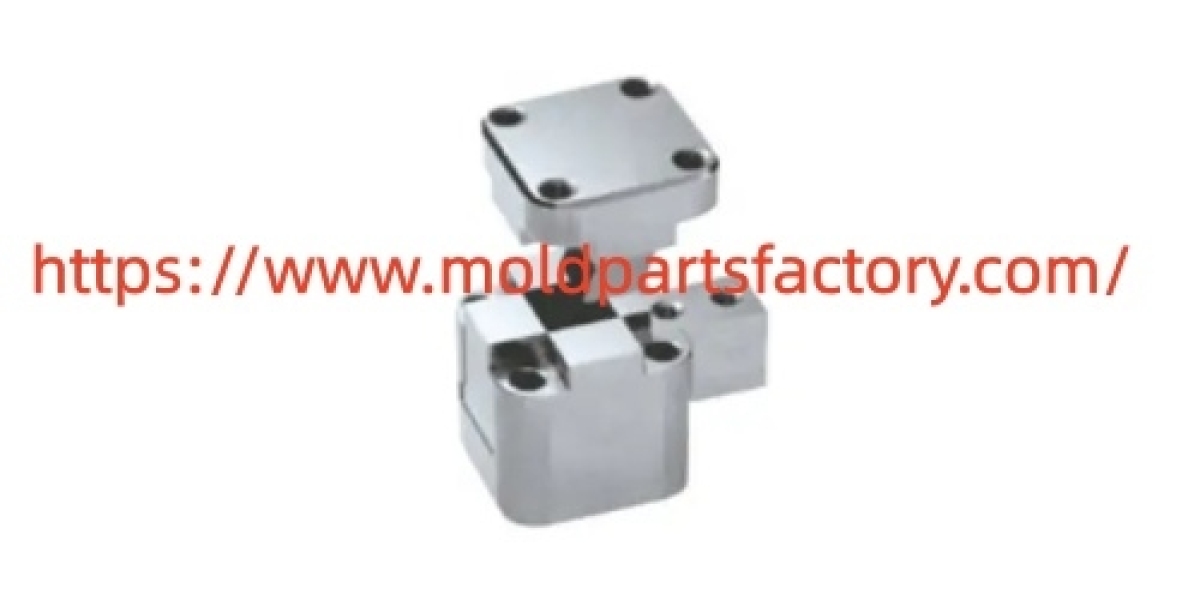

Side Core Pulling plays an important role in molds that require lateral movement to release specific product features. Its operating condition can be influenced by several interconnected factors, including load distribution, alignment, available installation space, material selection, surface treatment, and maintenance practices. For manufacturers and purchasing teams, understanding these elements before production can make component selection more practical and help create a tooling structure that matches the intended application.
One important consideration is the amount of force generated during operation. When a molded component contains recessed areas, openings, or irregular geometry, the mechanism needs to move through a suitable path while handling resistance from the surrounding structure. If the force is not distributed properly, friction may increase and movement can become less consistent. Designers therefore need to consider the relationship between product geometry, mechanical travel, and supporting components.
Alignment is another factor that deserves close attention. Moving elements need to remain properly positioned throughout repeated cycles. Small installation deviations may create additional friction between contact surfaces and influence wear over time. Accurate machining and appropriate assembly tolerances can help maintain coordinated movement. During mold development, checking the relationship between guide surfaces and neighboring components can reduce the possibility of interference.
Available space inside the tooling assembly can also influence the selected configuration. Some molds have limited room around the product area, making component placement more challenging. Engineers need to examine the required travel distance, surrounding plates, fastening positions, and maintenance access before finalizing the structure. A compact arrangement may be useful in certain applications, while other projects may require additional room for movement and inspection.
Material selection is closely connected with operating conditions. Repeated mechanical contact can gradually affect surfaces, particularly when production involves frequent cycles. Appropriate steel grades and heat treatment can be considered according to expected loads and working conditions. Surface finishing may also influence friction and wear. Rather than choosing material based only on general specifications, manufacturers can evaluate hardness, toughness, contact conditions, and expected service requirements together.
The supporting retention arrangement is another detail worth reviewing. For applications using Double Bolt Angular Pins Retainer designers should consider fastening stability, positioning accuracy, assembly access, and compatibility with the surrounding mold structure. These details can influence how securely the relevant components remain positioned during repeated operation. Proper dimensional matching is important because even small differences can affect assembly and movement.
Lubrication should also be included in the planning process. Contact areas that experience repeated movement may require suitable lubrication according to the material and operating environment. Excessive lubricant can create its own maintenance concerns, while insufficient lubrication may increase friction. A practical maintenance schedule can help production teams inspect contact surfaces, remove accumulated residue, and check for signs of abnormal wear.
Temperature and production conditions may further affect mechanical behavior. Injection molding environments can involve elevated temperatures, repeated cycling, and varying production speeds. Designers should therefore consider whether selected materials and surface treatments are appropriate for the actual operating environment. The surrounding mold structure should also allow sufficient clearance when thermal expansion needs to be considered.
Another useful factor is ease of installation and replacement. Mold components are not isolated from the rest of the tooling system, so maintenance personnel need reasonable access to fastening areas and wear surfaces. A configuration that is difficult to inspect may increase maintenance time when adjustments are required. Clear technical drawings and accurate component dimensions can make assembly and future replacement easier.
For buyers, communication with the component manufacturer can help clarify these technical points before an order is confirmed. Providing product drawings, mold dimensions, movement requirements, expected production conditions, and installation limitations gives the supplier useful information for evaluating the application. Moldpartsfactory can work with customers on mold component requirements and help match component specifications with individual tooling projects.
Ultimately, mechanical stability depends on the interaction of several details rather than a single specification. Load distribution, alignment, material properties, installation conditions, surface treatment, lubrication, and maintenance should be considered together. By reviewing these factors at the design stage, manufacturers can establish a clearer component selection process and reduce avoidable adjustments during assembly and production. Buyers interested in reviewing available mold components and manufacturing solutions can visit https://www.moldpartsfactory.com/product/ to continue evaluating options for their tooling projects.