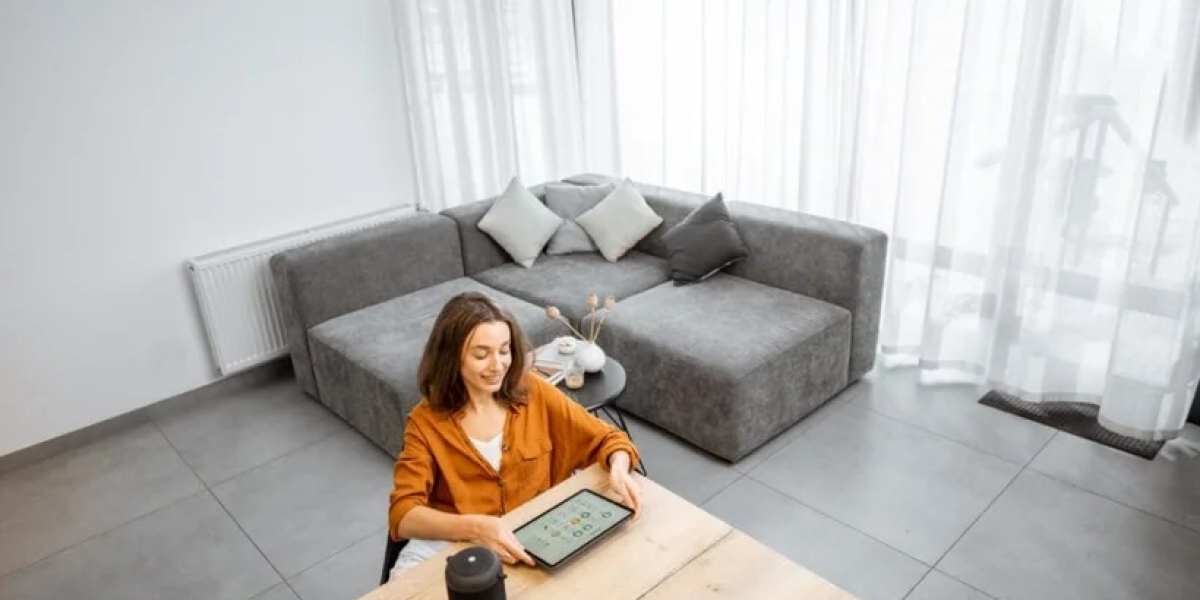

Your house has many moving parts. Lights turn on. Doors lock. The thermostat shifts up or down. A home automation hub brings all these tasks together. It gives you one place to manage everything. This guide explains how a hub works. It also shows why your home needs one.
What Is a Home Automation Hub?
A home automation hub acts as the brain of your smart home. It connects your lights, locks, cameras, and thermostat. Then it lets these devices talk to each other. You control the whole system from one app. You can also use a keypad or your voice. This setup removes the need for many separate apps. As a result, daily routines become much simpler.
Think of it as a translator. Each smart device speaks its own language. The hub understands all of them. So it turns separate gadgets into one smooth system. This is the real value of home automation. It is not about owning more devices. It is about making those devices work together.
Why Every Smart Home Needs a Central Hub
Many homeowners start small. Maybe they buy one smart bulb or a video doorbell. However, single devices work alone. They do not share information with each other. A central hub changes that. It links every device on one network. So your lights can respond when your door unlocks. Your climate system can adjust when you leave the house.
This matters because convenience should not require effort. Nobody wants to open five apps just to lock a door. A hub solves this problem. It puts every function in one place. Therefore, your whole household benefits, not just the tech-savvy members.
Top Benefits of a Connected Home System
A connected home offers real advantages. First, it saves energy. Your thermostat can lower heat when nobody is home. Next, it saves time. You will not need to check ten different apps. Instead, one dashboard shows your whole house.
In addition, a connected system improves comfort. Lighting and temperature adjust to match your daily schedule. You come home to a space that already feels right. Finally, it adds resale value. Buyers often look for homes with smart features already installed. A working automation system can set your home apart in a competitive market.
How to Choose the Right Smart Home Hub for Your House
Picking a smart home hub takes some thought. First, check which brands it supports. A good hub should work with many device types. Look for one that handles lighting, audio, climate, and security together. This wide support matters later, when you want to add more devices.
Also, check the wireless range. A larger home may need extra range extenders. Then, think about future growth. Choose a system that can expand as your needs change. Certified installers can guide you through this choice. They test each option before recommending a final setup. This step avoids costly mistakes down the road.
Security Features That Work With Your Hub
Security matters as much as convenience. A strong hub connects cameras, sensors, and smart locks. Motion sensors can trigger lights and alerts at once. You can watch live video from your phone. This works whether you are at home or across the country.
Some systems can even simulate occupancy while you travel. Lights turn on and off like someone is home. This feature can discourage unwanted visitors. Meanwhile, remote monitoring gives you peace of mind at any hour. Fast alerts mean you can react quickly to anything unusual. As a result, your family and property stay protected around the clock.
Getting Started With Installation
Installing a home automation hub starts with a site visit. A certified installer looks at your space first. They ask about your daily habits and priorities. Then they recommend equipment that fits your home. Some rooms may need wired connections. Others work fine with wireless setups.
After installation, the team tests every device for stability. They also walk your household through the controls. Support does not stop there. Ongoing updates keep your system running well for years. Regular check-ins help your setup adapt as new devices enter the market. This long-term care is what separates a good install from a great one.
Final Thoughts
A home automation hub turns a house full of separate gadgets into one smooth system. It saves energy, saves time, and adds real security. It also grows with your household as your needs change over the years.
Homeowners in New York City can find this kind of setup through Nex AV. Their team designs systems around real daily routines, not generic templates. Every project starts with a conversation and ends with ongoing support.
Visit nexavt.com to book a free consultation and see how a connected home can work for you.
Frequently Asked Questions
1. What does a home automation hub do?
It connects your lights, locks, climate, and security into one system. You control everything from a single app.
2. Is a smart home hub hard to install?
No. A certified installer handles the setup, testing, and programming for you.
3. Can a central hub work with devices I already own?
Yes. Most hubs support many brands, so you can add devices without starting over.
4. Does a home automation hub help with security?
Yes. It links cameras, sensors, and locks, so you get alerts and remote monitoring from your phone.
5. How long does installation take?
Time varies by home size. Most projects finish within a few days after the site survey.